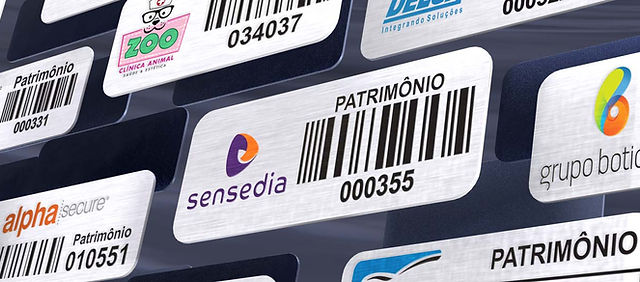
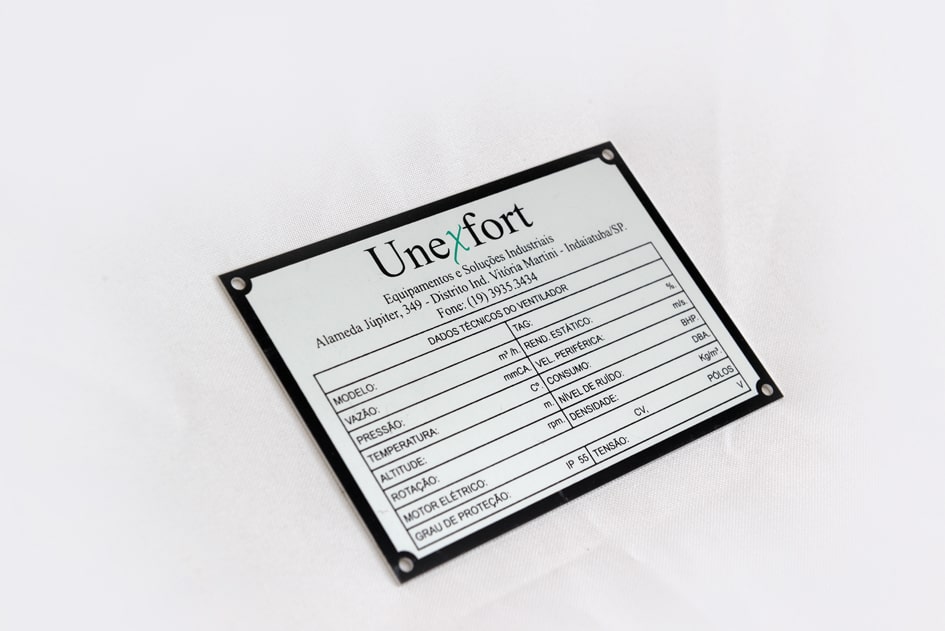
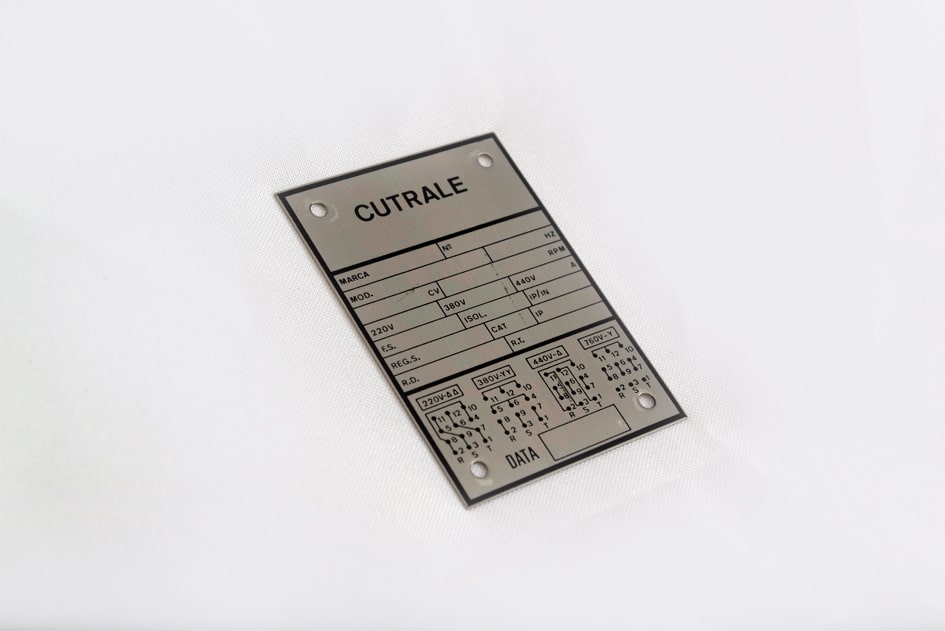
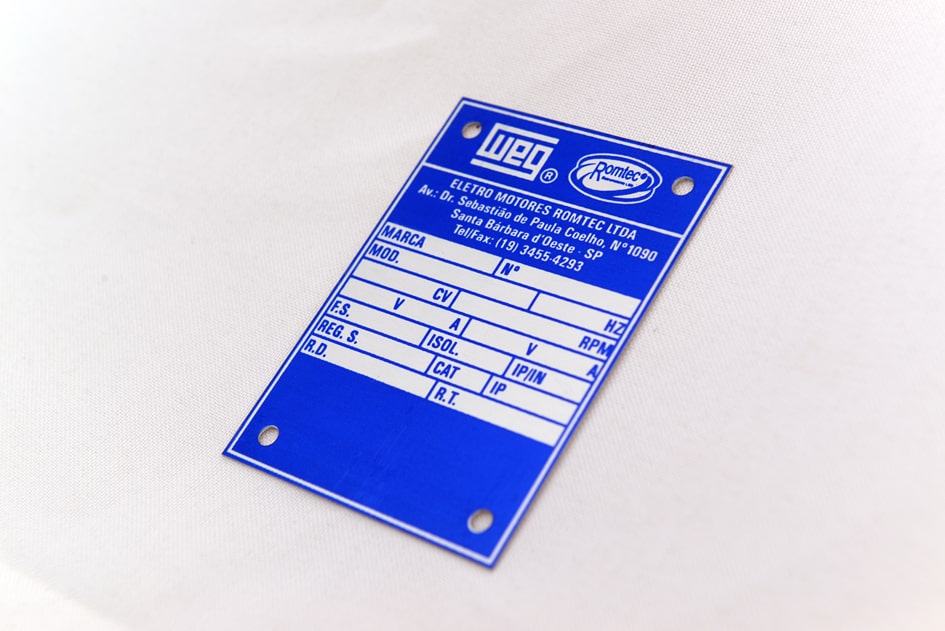
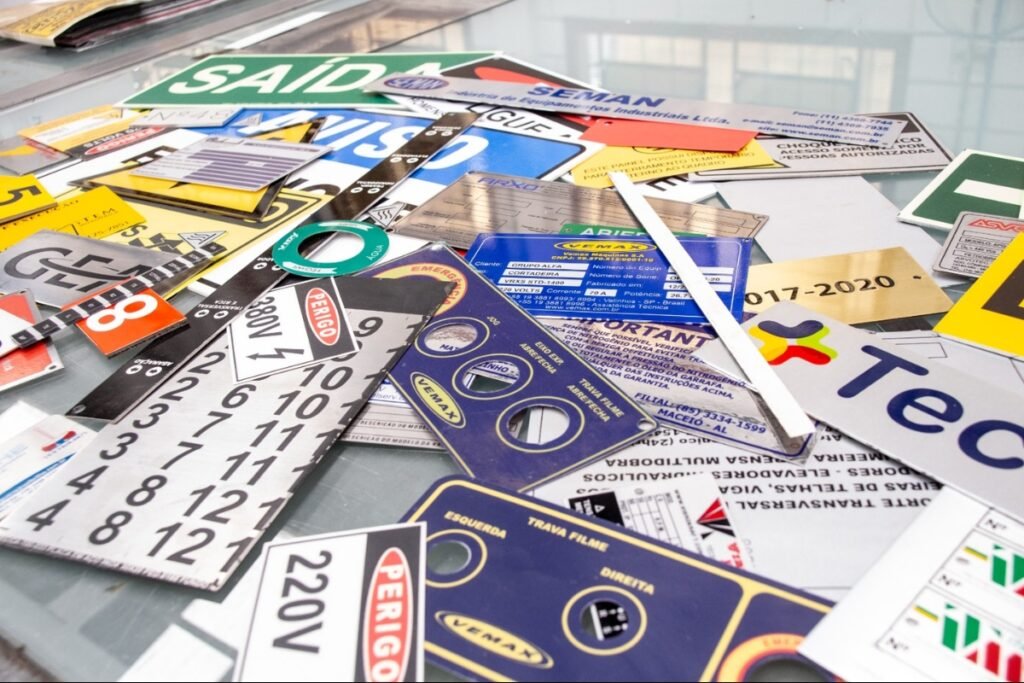
Let's start by presenting the types of heritage plaques:
Now that you know the types, you need to understand which ones... asset types which items need to be inventoried and in which environments they are located.
Another key point is knowing what the specific regulations are for your sector.
To facilitate technical understanding, we have outlined 4 points for analysis:
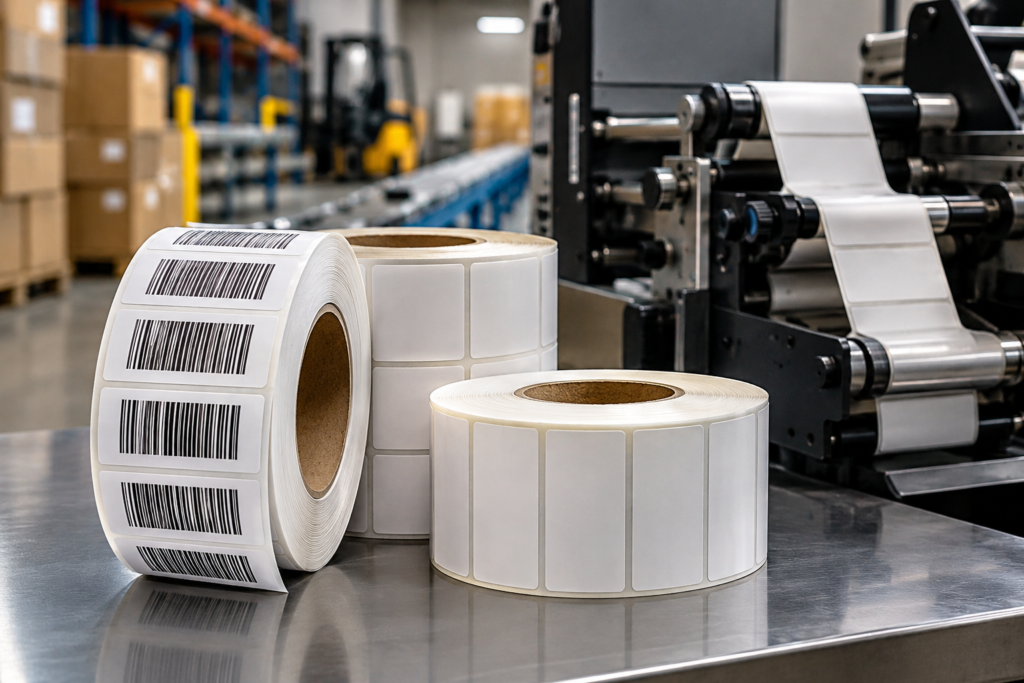
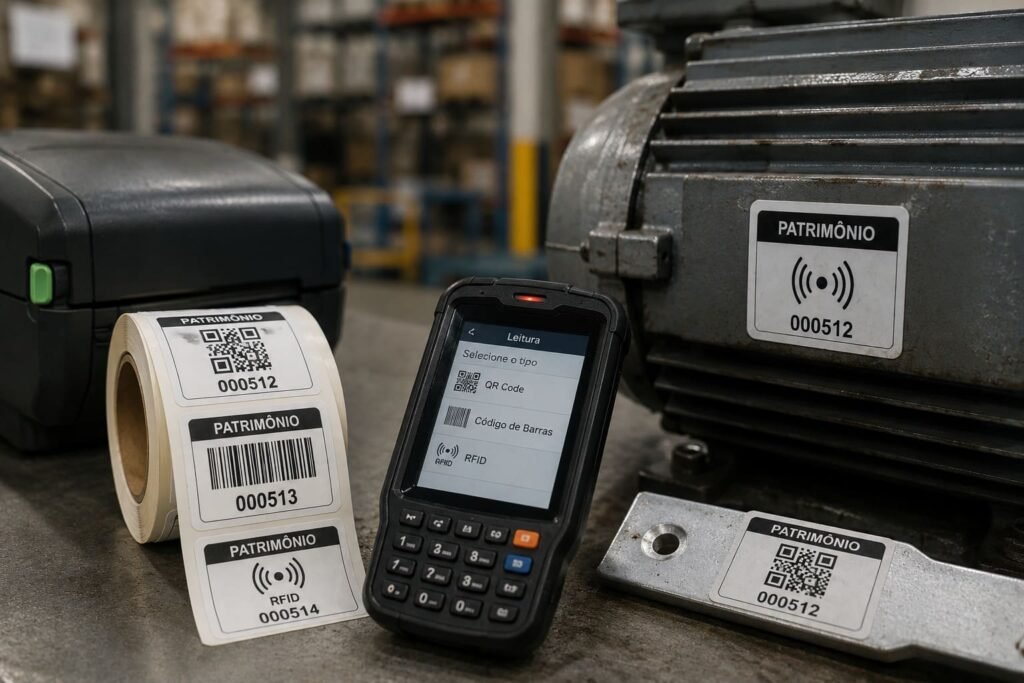
With this information in hand, let's delve into each of the tags. Asset tags with barcodes are ideal for inventories that require quick reading and automatic tracking. You can use barcode scanners to register assets and link them to a management system.
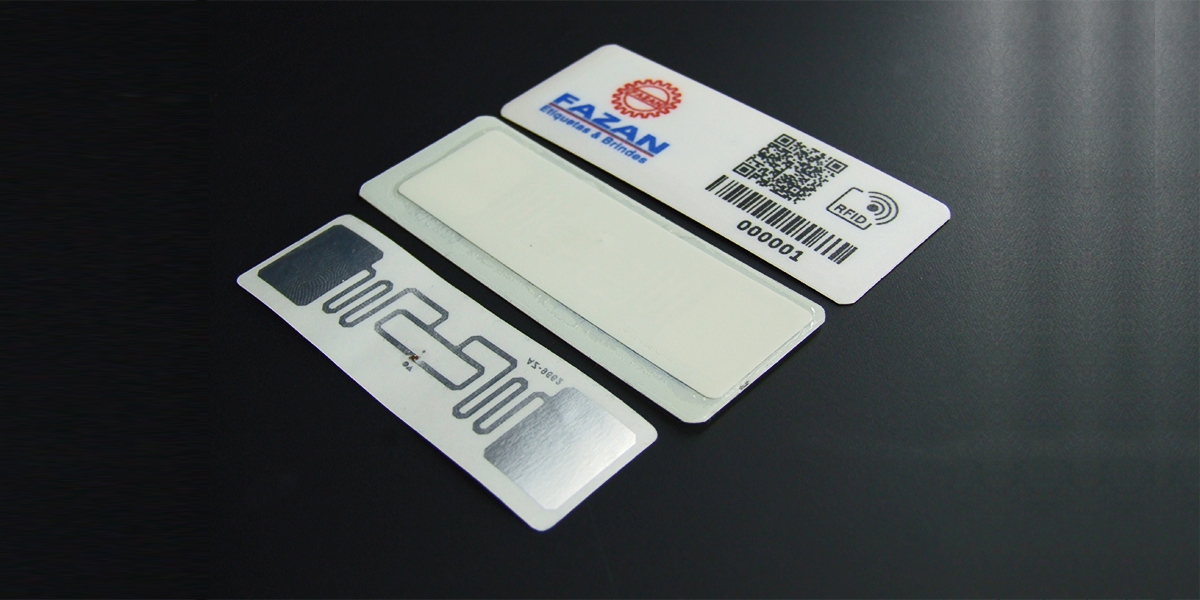
Radio frequency identification (RFID) tags contain RFID chips that can be read by specific devices, such as RFID readers. These tags allow for real-time tracking and are useful for large volumes of assets or when precise monitoring is required.
License plates with QR codes can be scanned by smartphones or mobile devices, directing users to detailed information about the asset, such as its history, maintenance, and location.
Durable plates made of metal or tough plastic, with laser engraving or printing, can be used for outdoor environments or where durability is a concern.
These plates can contain visual information, such as descriptions, serial numbers, logos, or barcodes, and can be attached directly to assets.
Depending on your needs, you can opt for customized plates with specific information, such as the company name, number of assets, acquisition date, etc.
With this evaluation roadmap, it is possible to define the applications considering all factors: durability, readability, traceability requirements, usage environment, and... technical resources Available for integrating the license plates into your inventory system. It is also important to verify that the chosen license plates comply with relevant regulations in your industry, if applicable.
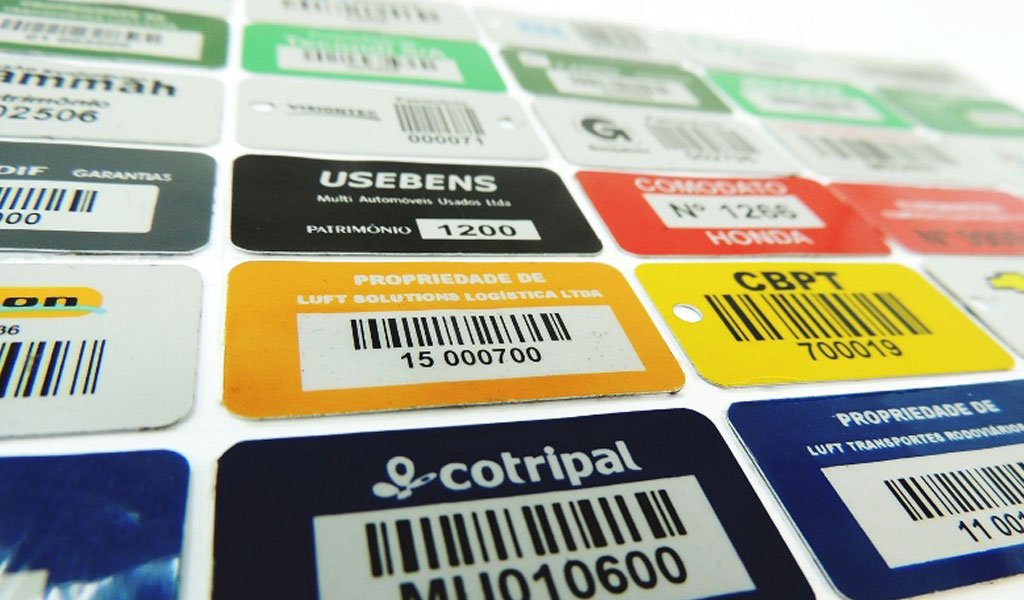
Aluminum asset tags are a durable and versatile option for identifying and tracking assets in inventories. Aluminum is a corrosion- and wear-resistant material, making it suitable for a wide range of applications. variety of environments, both internal and external.
This material withstands harsh weather conditions such as rain, sun, and humidity, making it a solid choice for assets that need to be identified and tracked in outdoor environments.
Aluminum plates are known for their long lifespan, meaning they can be used for many years, reducing the need for frequent replacements.
Regarding customization, it is recommended for specific information such as asset numbers, descriptions, acquisition dates, and even company logos.
Aluminum is resistant to many chemicals, which can be important for assets that are subject to exposure to corrosive substances.
They are manufactured in different sizes and shapes to suit the different types of assets you are tracking. The professional appearance of aluminum plates can convey an image of organization and care for the company's assets.
Heritage Plaques in Aluminum
Stainless steel asset tags are a stylish and durable option for identification and tracking. Stainless steel is known for its resistance to corrosion and wear, making it an ideal choice for both indoor and outdoor environments.
The stainless steel plates are Built to last, even in challenging environments, making them ideal for assets that need to be identified and tracked for many years.
It is also resistant to many chemicals, which is important for assets that may be exposed to corrosive substances. It's worth noting that they can be laser engraved or... printed with specific information, such as asset numbers, descriptions, and acquisition dates.
Stainless steel plates can be easily attached to various surfaces, such as equipment, furniture, or structures, using screws, rivets, or adhesives. It is a robust, impact-resistant material, which is important for assets that may be subject to frequent movement or handling.
They are manufactured in different sizes and shapes to suit the different types of assets you are tracking.
Heritage Plaques in Aluminum
Polyester is a durable and resistant material that offers several advantages for marking and identifying goods. It is resistant to tearing, fading, and chemicals. It is suitable for indoor and outdoor use. external, because they are resistant to adverse weather conditions, such as rain, sun and humidity.
It is also resistant to many chemicals, which is important for assets that may be exposed to corrosive substances.
Polyester asset tags can be produced in different sizes and shapes to suit the different types of assets you are tracking, and can also be customized with specific information such as asset numbers, descriptions, and acquisition dates.
The colorfastness ensures that the information remains legible for a long period. It is a cost-effective option for identifying and tracking assets in inventories.
Heritage Plaques in Polyester
Each RFID tag has a unique code, which allows tracking Individual information for each asset. This is useful for controlling maintenance, history, and other specific information.
They can be integrated into existing software systems, such as asset management systems, making it easier to organize information.
RFID technology can be used to improve security by monitoring who enters and exits specific locations with tagged assets. RFID tags are available in different formats and resistance levels, making them suitable for a variety of environments, including outdoor areas and industrial settings.
The improved efficiency resulting from the use of RFID tags can save significant time and resources over time.
A In the long term, for quick and effective identification, of course with good planning, for a company that has a large number of assets, it can be advantageous because physical inspections will be much faster and more effective due to the simultaneous reading that RFID tags offer.
RFID Asset Tags
If you are looking for specific guidance on how to create or implement asset signs for your company, consult our visual communication and signage specialists.