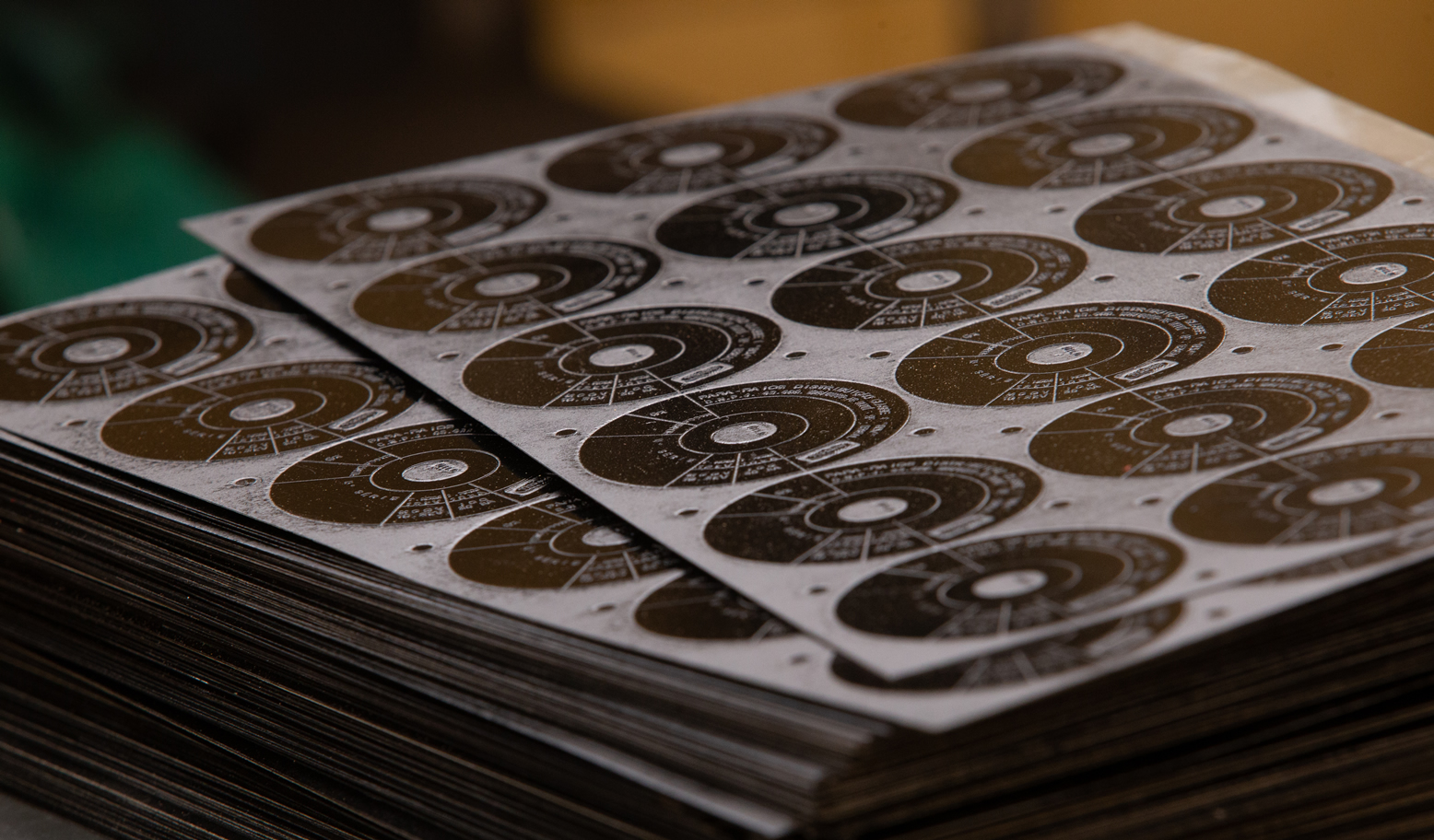
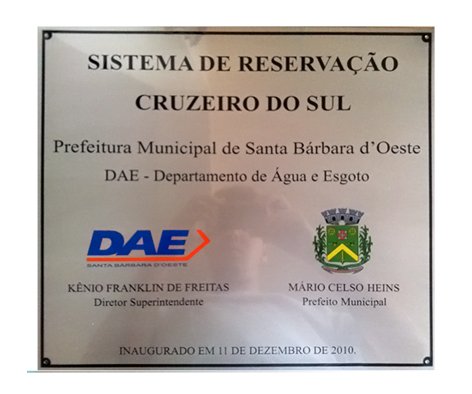
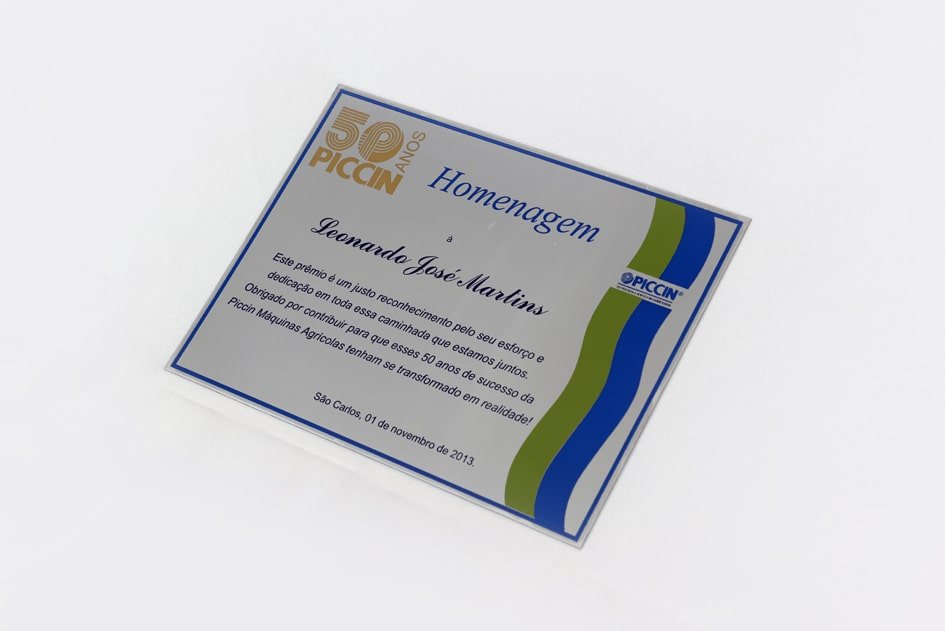
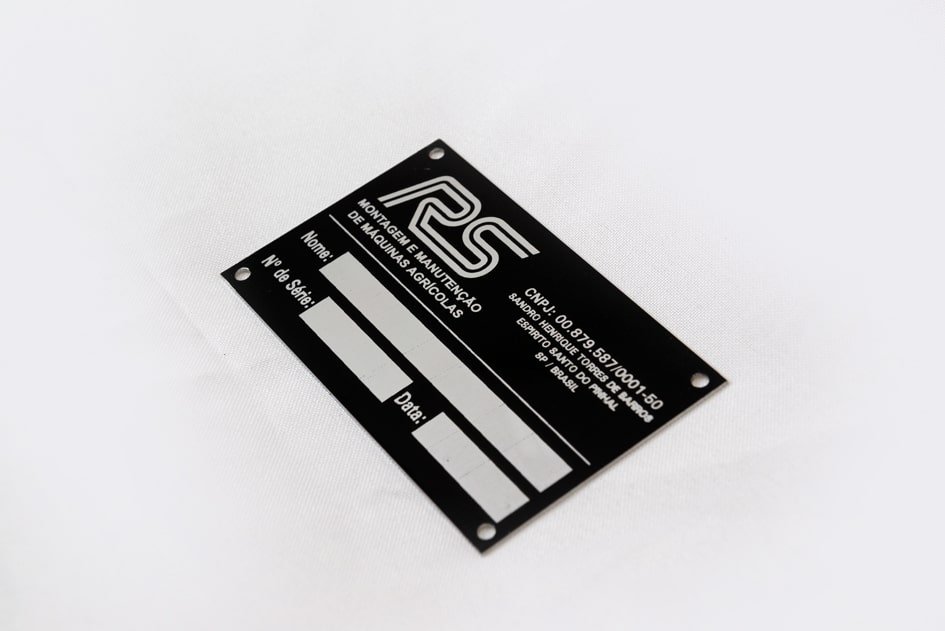
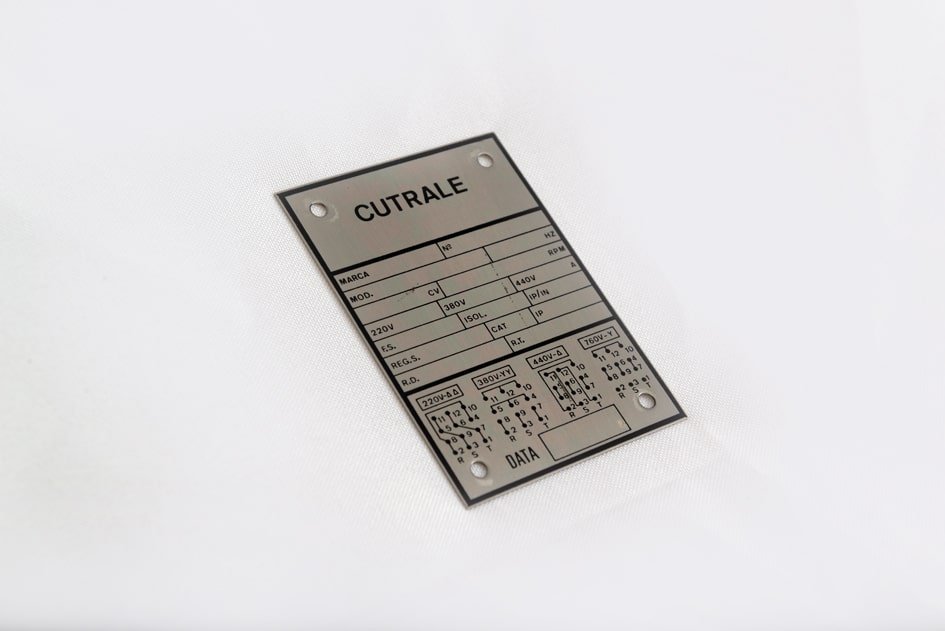
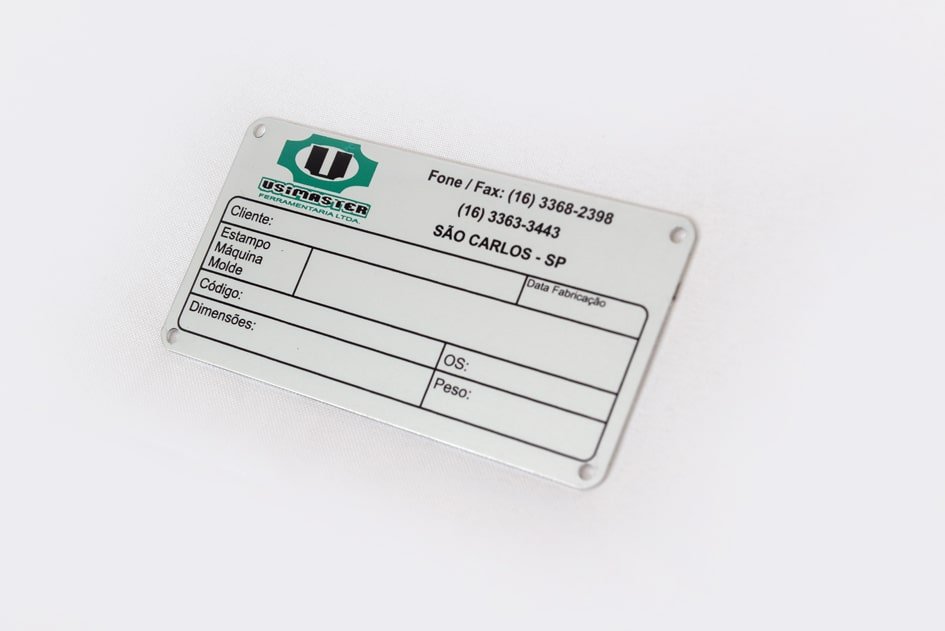
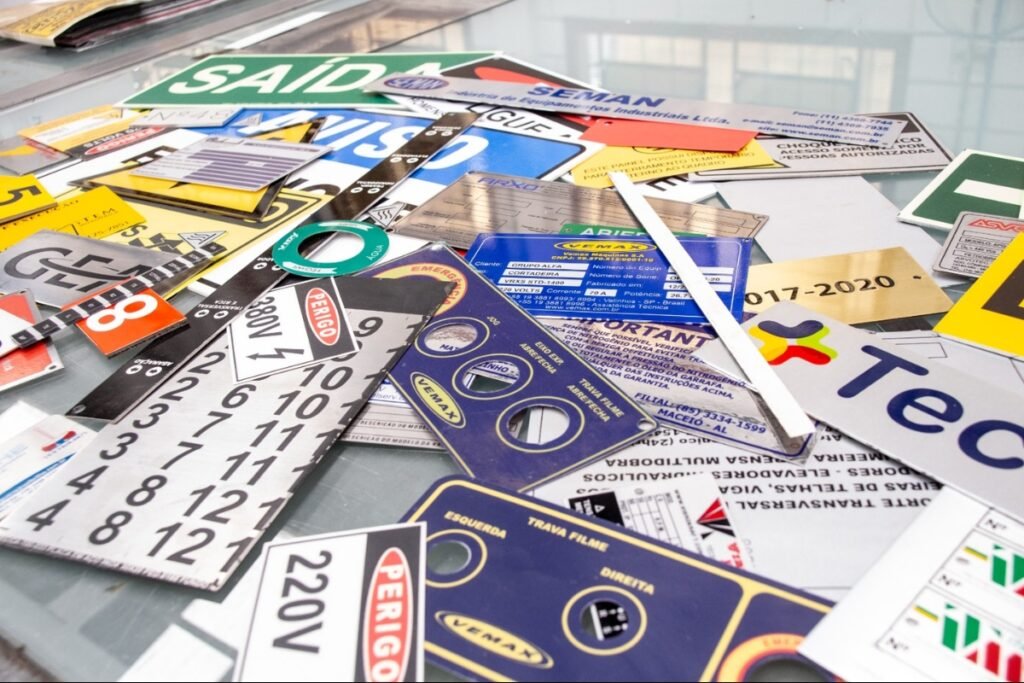
Signs and labels with low-relief painting and spraying process.
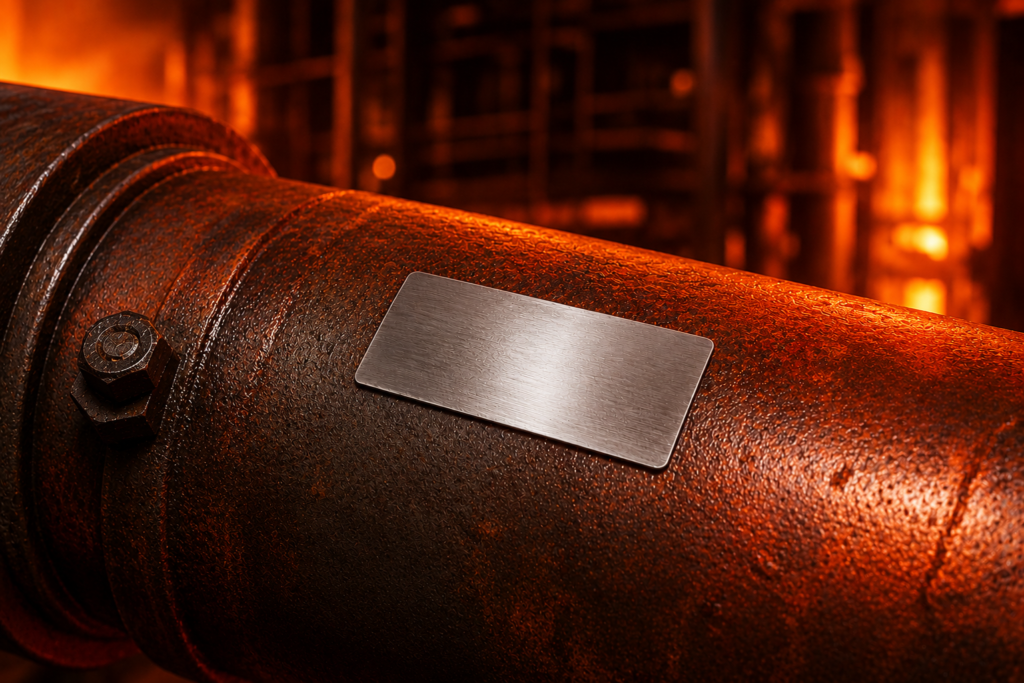
Low-relief painting can be a great option for signage, as the technique allows for the creation of a textured surface with a three-dimensional effect, which can help highlight the sign's message. To create a low-relief sign, it is first necessary to choose the appropriate material, such as metal or plastic. Then, the stencil with the design to be embossed is applied to the surface of the sign using a press or other appropriate tool. Once the surface is ready, the paint can be applied to the surface with a brush, roller, or airbrush, creating the desired three-dimensional effect. It is important to use durable and weather-resistant paints to ensure that the sign lasts a long time.
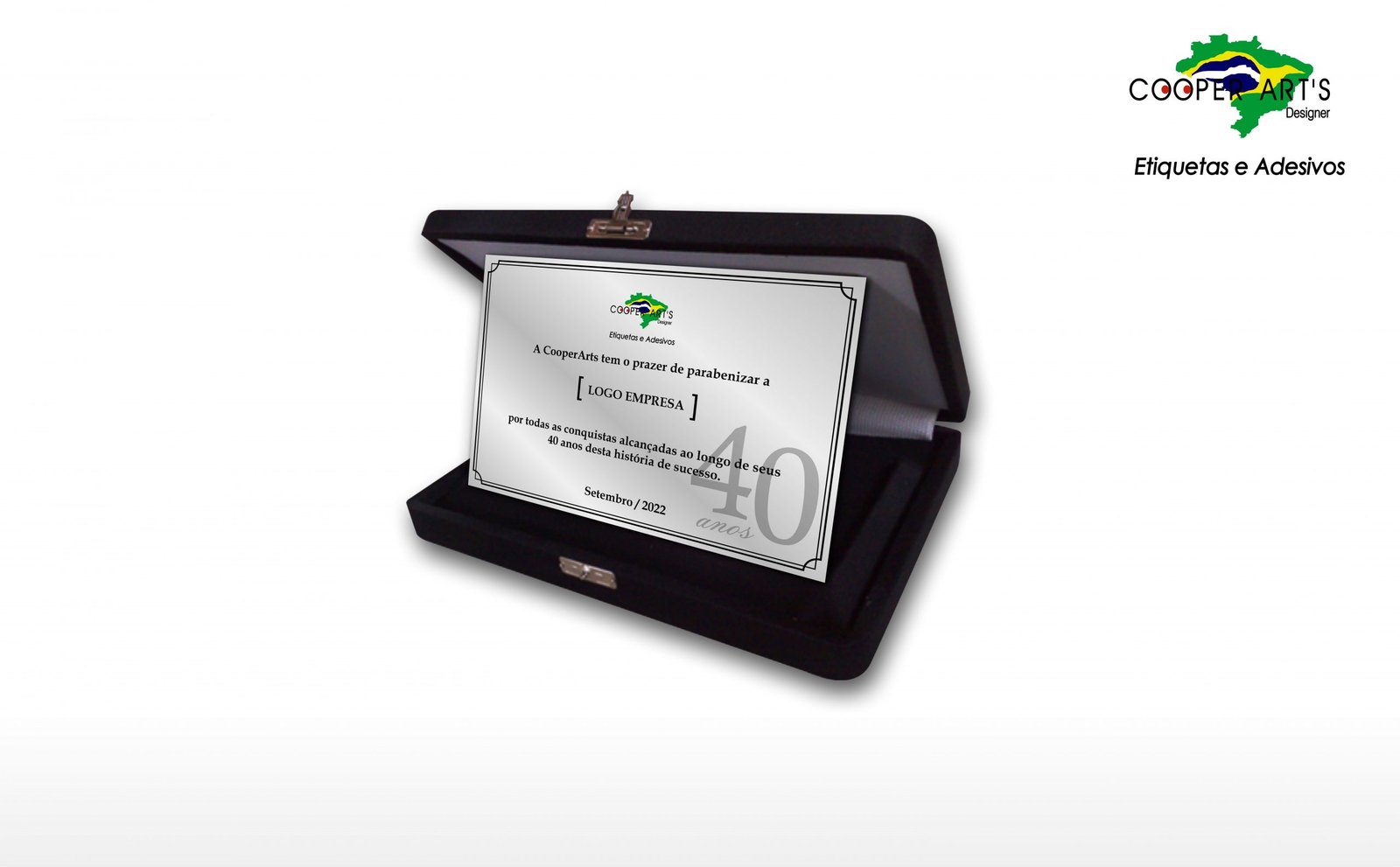
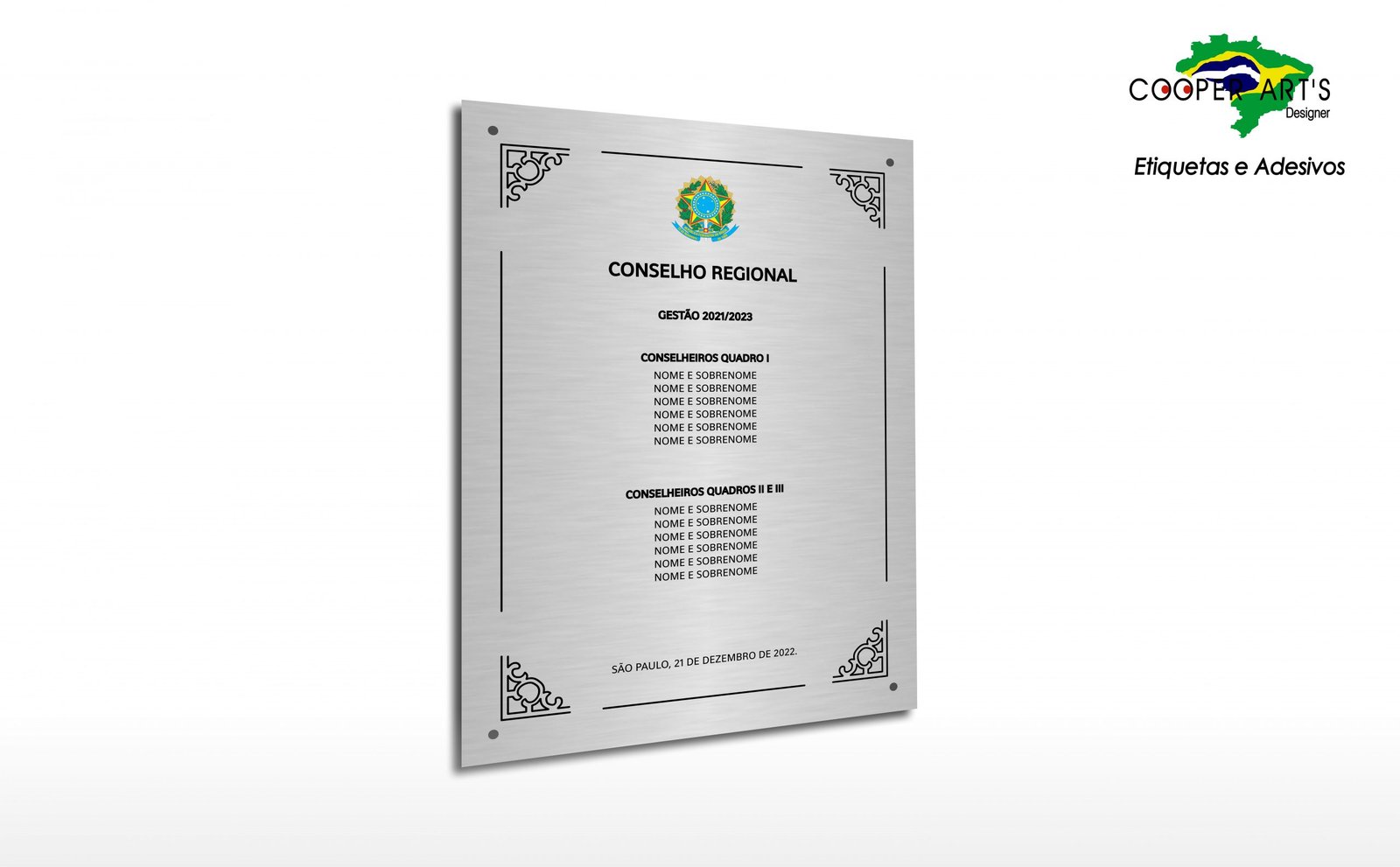
Embossed signage can also be customized with colors, images, and text, according to the individual needs of each client. The technique is very versatile and can be used for a wide variety of applications, from traffic signs to informational signs on public or private buildings.
Spraying
The spraying process is a method of applying paint to low-relief surfaces. First of all, it is essential to choose a weather-resistant paint that adheres well to the surface, which must be clean and free of any dirt, dust, or residue that could prevent the paint from adhering. Then, the paint can be sprayed using a spray system, with the use of an airbrush or a paint gun.
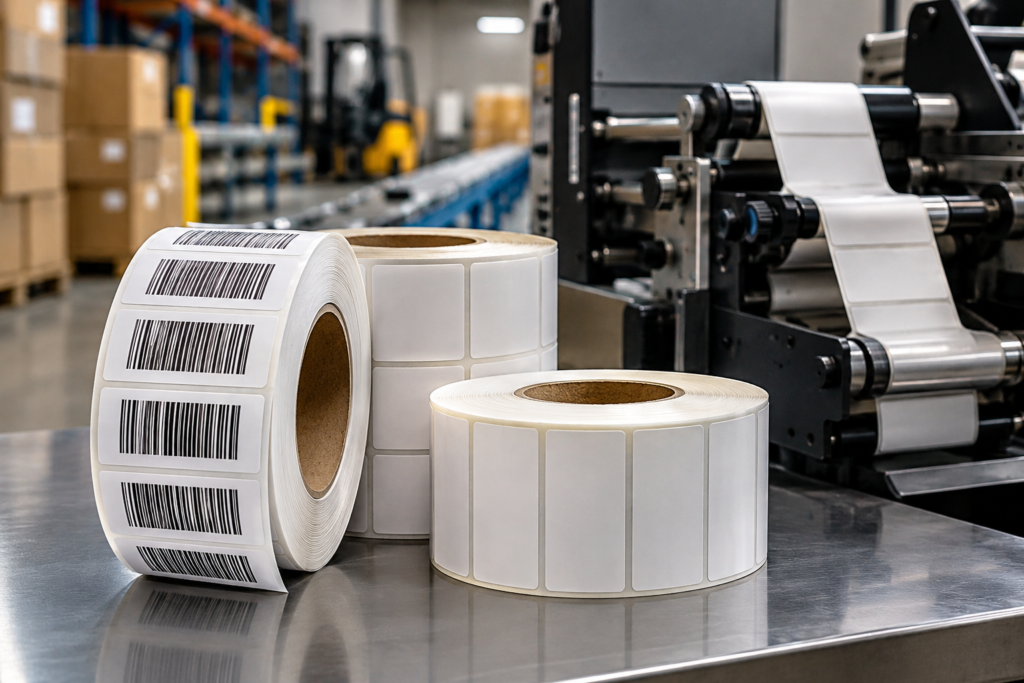
Spraying allows you to create a uniform layer of ink on the surface of a plate or label, covering the entire area evenly. Furthermore, it's possible to create different textures and effects with the ink, such as color gradients or fine lines.
Applications
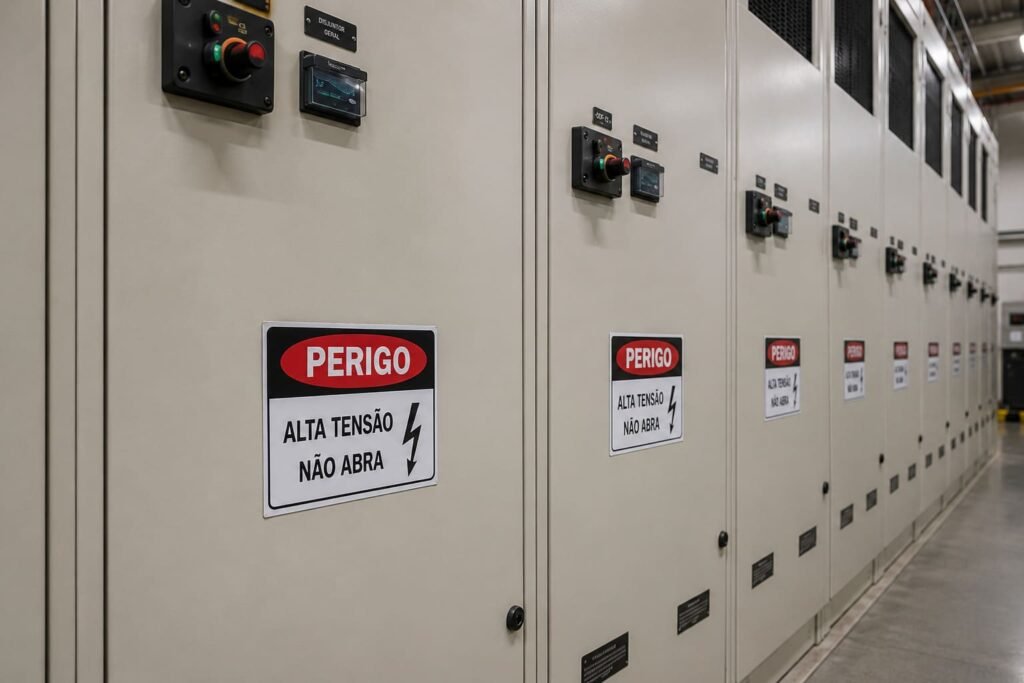
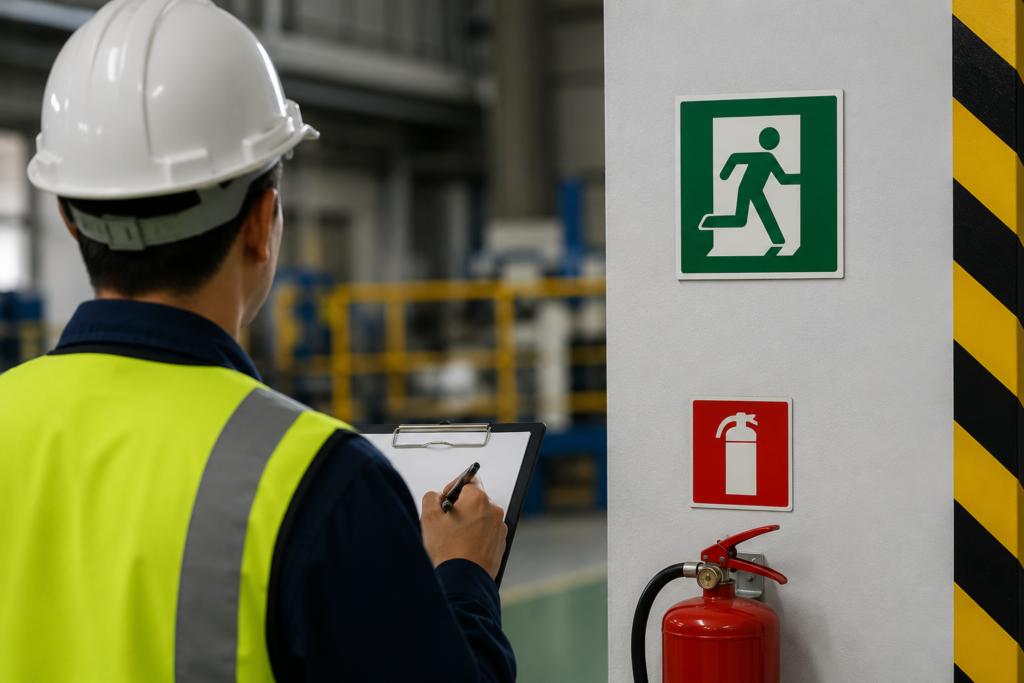
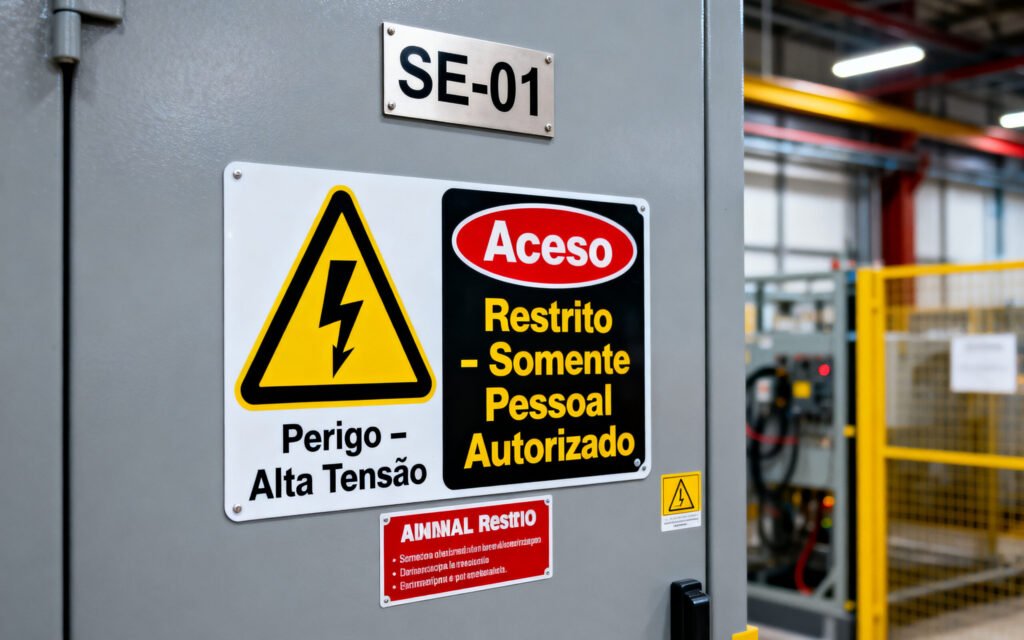
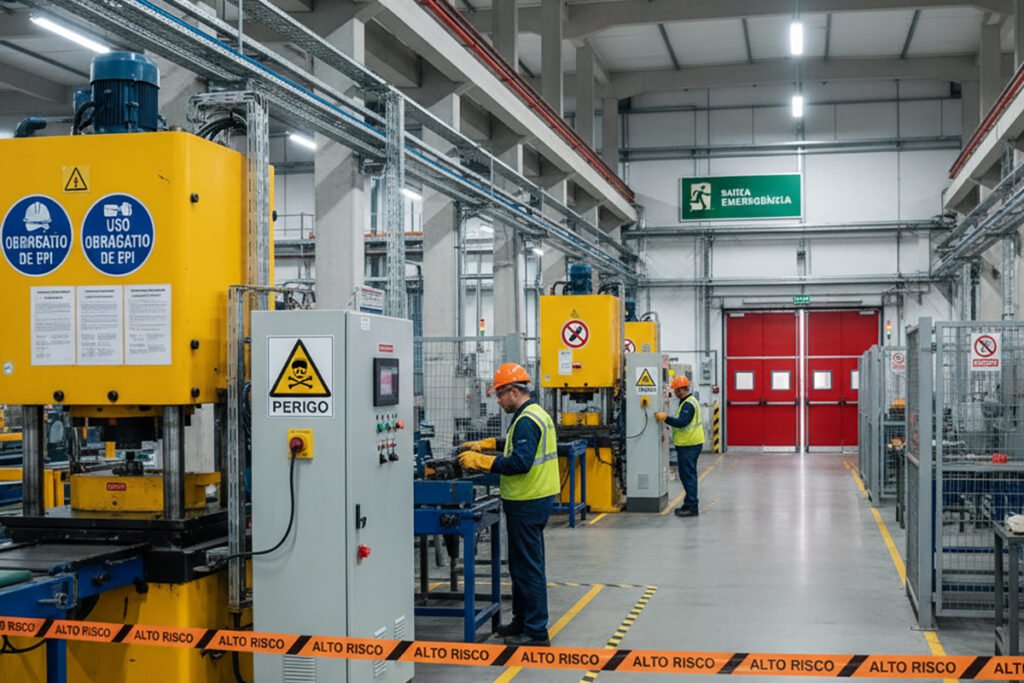
Cooperarts serves clients in various sectors using low-relief painting with a spraying process. Industries, Commercial buildings, condominiums, hospitals, schools, and other public places use this type of signage. The embossed texture helps to highlight the information and makes the sign easier to see.