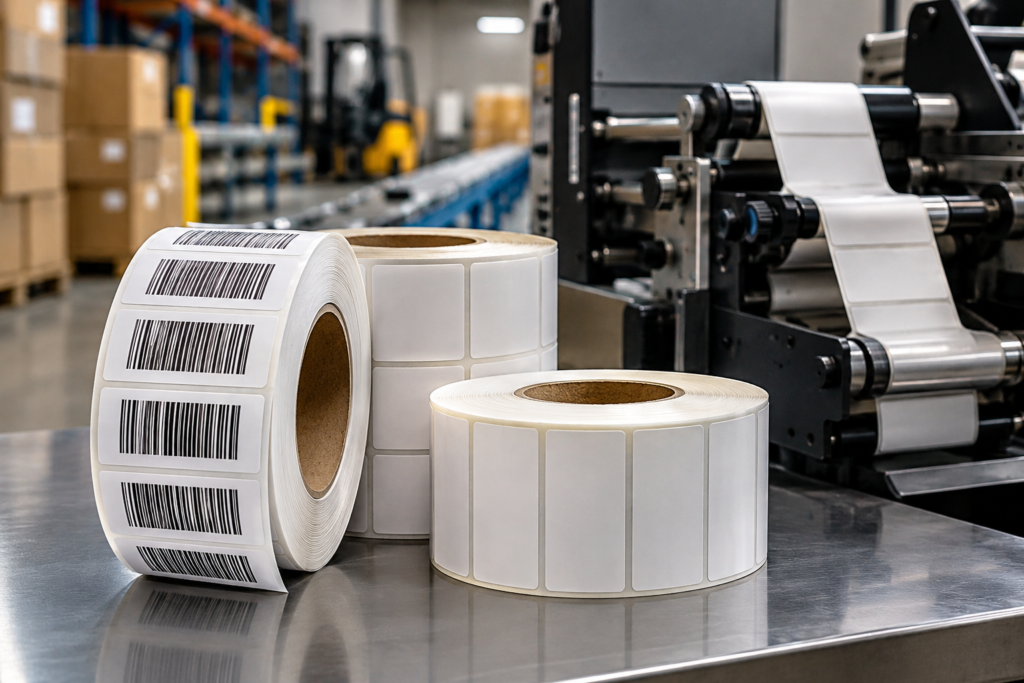
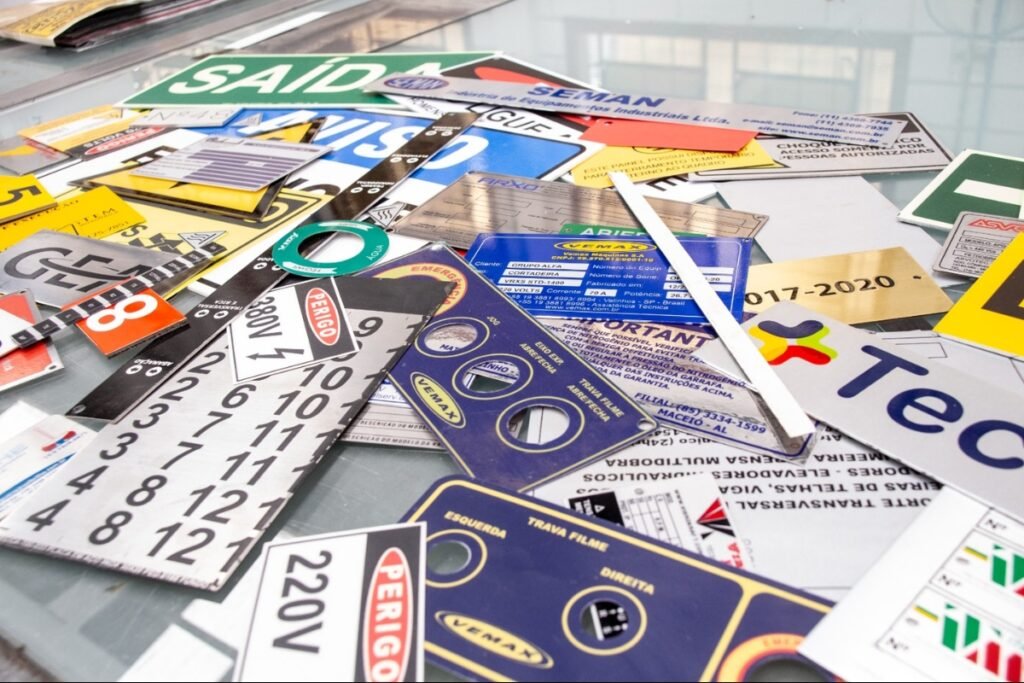
A Cooperarts It stands alongside its clients throughout the entire decision-making journey. In the case of industries in automotive, electronics, metallurgical, chemical, glass, aerospace and chemical segments, It is common to use labels for high temperatures.
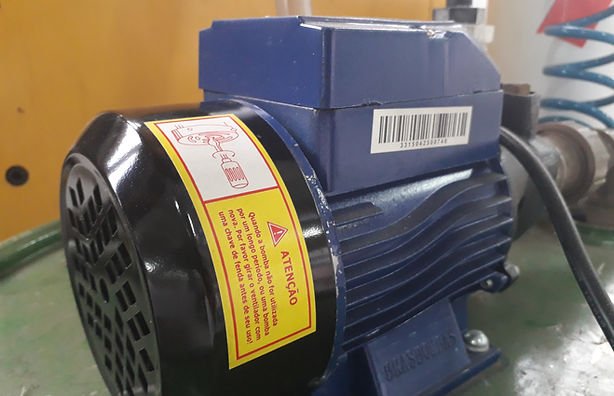
In automotive industry, For example, high-temperature labels are applied to automotive parts and components that are subject to intense heat conditions, such as engines, exhaust systems, and internal vehicle parts.
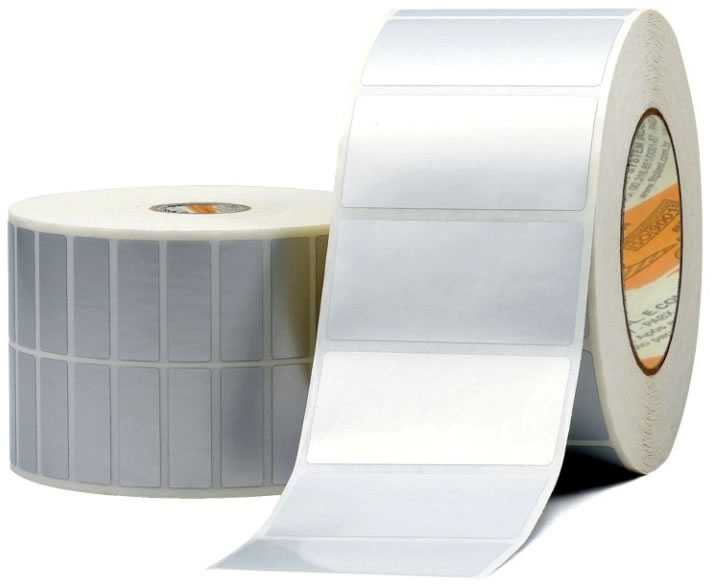
Polyimide (Kapton) labels are a material widely used in applications requiring heat resistance, capable of withstanding temperatures up to 300°C without losing readability and adhesion.
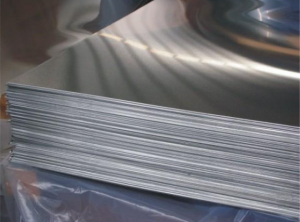
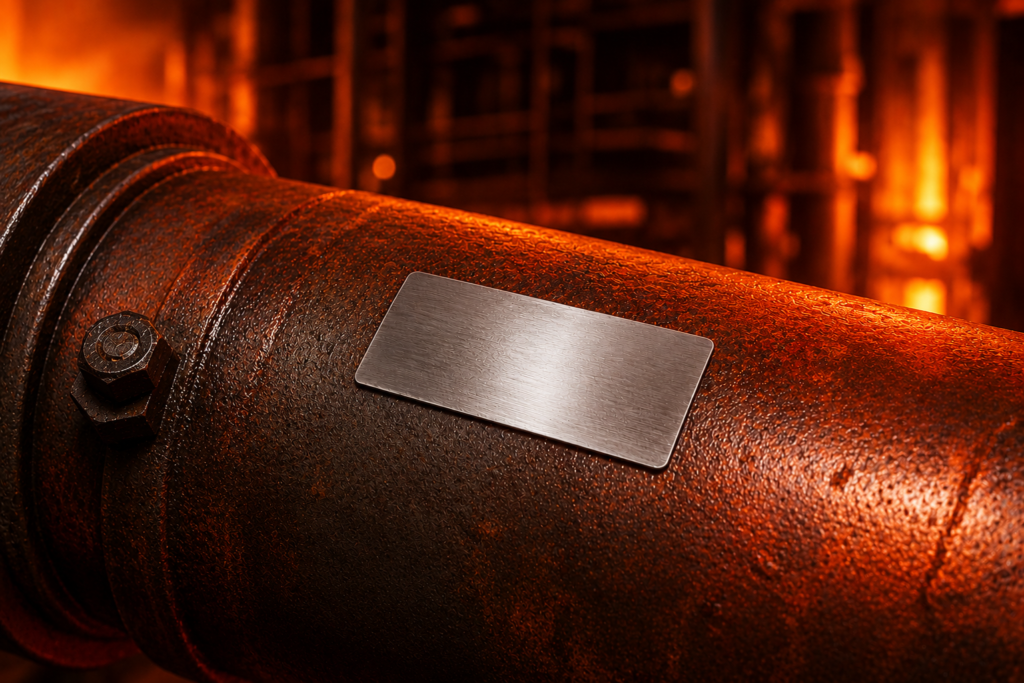
O aluminum It has excellent heat dissipation capabilities. These labels can withstand temperatures up to 500°C without losing legibility and grip.
O polyimide It is a material capable of withstanding temperatures up to 250°C It is frequently used in industrial environments and in applications involving intense heat.
Polyimide
Polyester
Aluminum
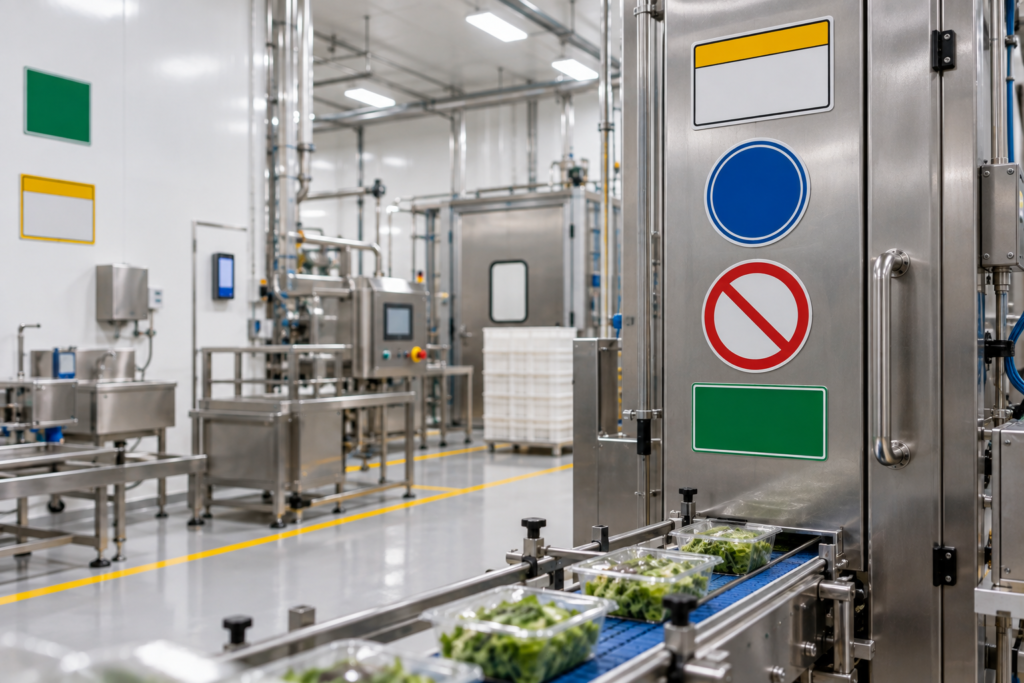
Some examples of applications for high-temperature labels in industrial sectors.
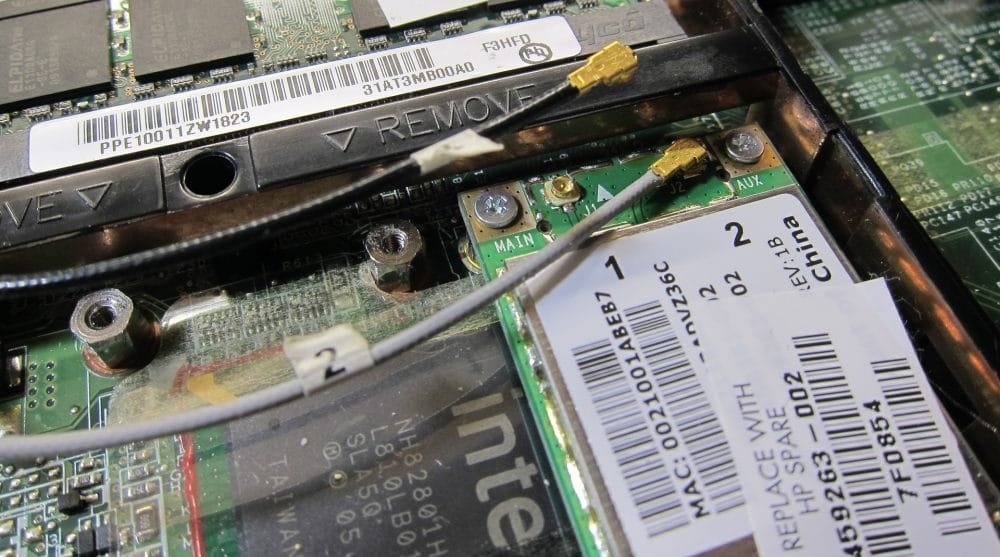
A electronics industry It uses labels on electronic equipment, such as integrated circuits, printed circuit boards, and electronic components.
In metallurgical industry Labels are used to identify and track metal parts and products that undergo casting, heat treatment, welding, and forging processes.
A chemical industry It also involves the chemical and petrochemical sectors, with clients frequently using waste for high-temperature applications to identify containers, drums, pipes, and equipment that are exposed to high temperatures in production and storage processes.
Cooperarts also serves the sector. aerospace, which are used in aircraft components, engines, rockets, and in test environments that require resistance to extreme temperatures.
In the glass industries High-temperature labels are used to identify and track glass products that undergo production, molding, and tempering processes where temperatures are high.
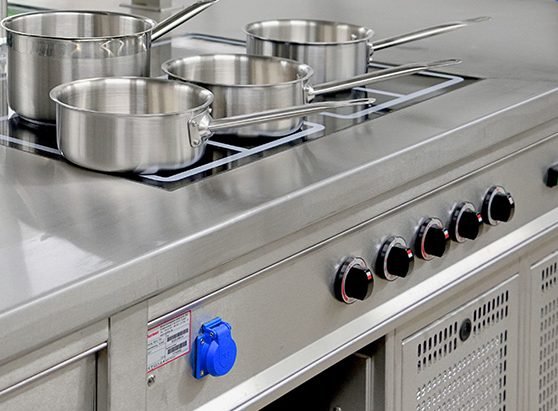
Our customers of food sector Ovens, stoves, and sterilization processes need to be marked.
To summarize, here are some examples of the most common applications of high temperature labels: