
O Asset Control Done properly, it allows for a more accurate determination of the cost of a product or service, considering, for example, the depreciation rate of the machinery used. In this way, pricing will be more precise.
Through this process, it's possible to reduce breakage, theft, misappropriation, and obsolescence rates, as well as monitor assets more meticulously. This allows the company to plan investments, purchases, and cash flow in advance, ensuring it meets its real needs.
With this predictability, it becomes possible to avoid unnecessary expenses, research and negotiate prices, obtain better payment terms, avoid unexpected expenses or even interruptions in the organization's operation. In other words, the organization's budget planning becomes more solid and assertive.
 When the topic is asset management, we are referring to monitoring and management. This includes tracking the location of assets, verifying their condition, scheduling preventive maintenance, and planning replacements when necessary. This is strategic information because it helps managers see how to optimize operational performance and extend the useful life of equipment.
But one aspect stands out: compliance with legal and tax obligations. Controlling company assets is essential to fulfilling tax obligations related to those assets. This includes maintaining accurate records, issuing appropriate reports, following accounting standards, and providing information for internal or external audits.
Regarding the laws governing this matter, since 2015, Law 12.973/2014 and IN 1515/2014 have been in effect, requiring that asset management or accounting departments implement asset control within organizations, and that this information be communicated so that it is aligned with the declarations to be made to the Federal Revenue Service.
Asset control is of paramount importance for companies to be managed effectively as mandated by the CPCs (Accounting Pronouncements Committee) and organized in accordance with the asset depreciation regulations of the Federal Revenue Service.
In this case, it applies to organizations that wish to improve their contributions as reflected in their profits, justifying Income Tax and Social Contribution payments.
However, in addition to being essential for companies to comply with current accounting standards and laws, asset control provides several benefits for the business.

 Senior businessman architect in a hard hat[/caption]state of conservation, with the intention of determining the values of the items to be recorded.
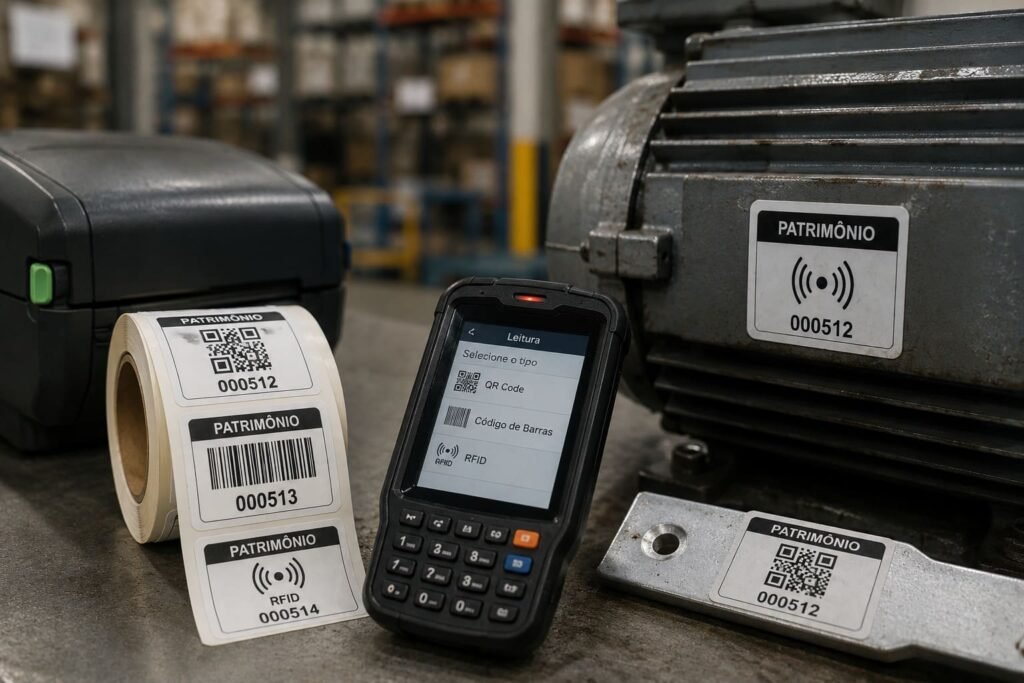
The importance of license plates is essential, considering that they are where numbers and barcodes or QR codes are placed, which cannot be repeated.
When an item leaves the property, it will be possible to identify its original location or where it should return to, as it will be recorded by the asset's number and classification.
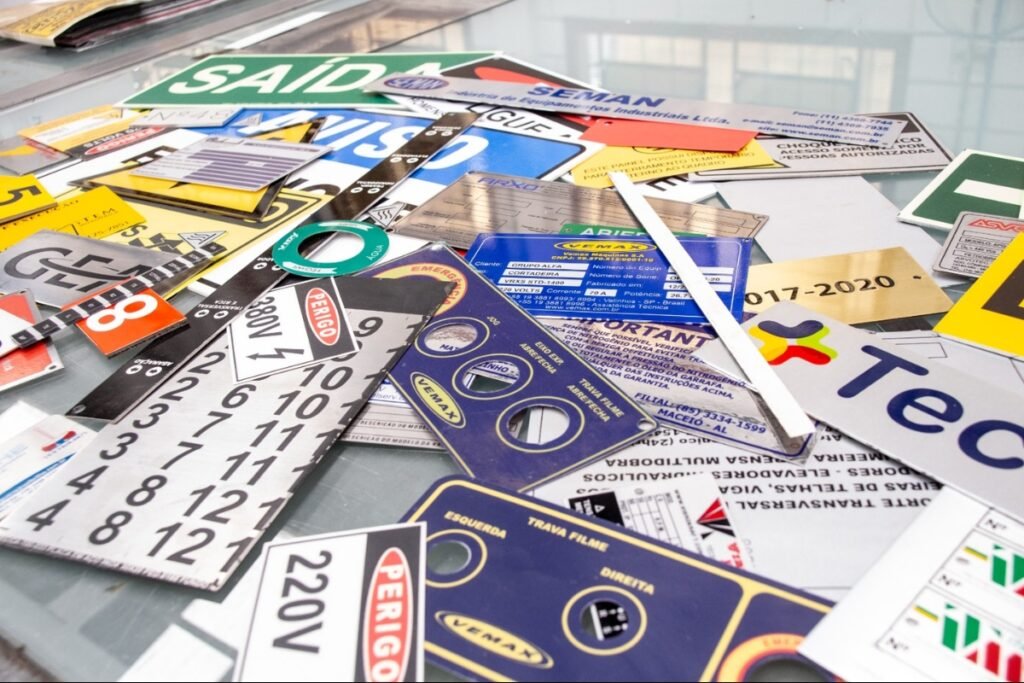
Heritage Plaques Aluminum: Aluminum plates (tags/plaques) with a thickness of 0.15 – 0.30 or 0.5 mm offer durability exceeding 10 years and can be self-adhesive or riveted.
The information is recorded using the process of fingerprint Colored or black UV lamps (no extra cost) are recommended for offices, secretarial work, kitchens, warehouses, and other locations that do not come into contact with corrosive products or factory floors (industries).
Heritage Plaques Stainless Steel: Stainless steel plates are produced by a process called corrosion (low relief). This process allows logos, barcodes, or QR codes to be engraved using photo-corrosion, making the characters impossible to remove when exposed to climatic variations and chemicals (acids, solvents, alcohol, chlorine).
Asset Tags Flexible: The labels are supplied in Vinyl, Polyester (metallic-looking label, but flexible), BOPP and Polycarbonate materials. Both are suitable for assets that require flexible identification and can accommodate curves, ideal for companies that prefer to control smaller, lower-value items such as: telephones, televisions, staplers, mice, keyboards, fans, cameras, cell phones, etc., or items with a short lifespan that still need to be identified. The advantage of acquiring labels is their flexibility in adapting to curved surfaces.
 A Cooperarts It stands out in the market for customizing plates and labels with the company logo in full color without color limitations, barcodes or QR codes, and numbering for secure control and with the lowest chance of loss of your assets.
These products and services were developed to control and measure the quantity of assets belonging to the company, for verification and control of the entry or exit of items, preventing theft and misappropriation, which could complicate matters for the company, especially in the event of an audit.
It is recommended that an inventory and count of assets be performed at least once a year. This review is to verify that all registered assets are as reported and to monitor the useful life and depreciation of assets. This process should be carried out in conjunction with the balance sheet, as it is a way to truly understand the financial situation of your business and analyze the company's strengths and weaknesses.