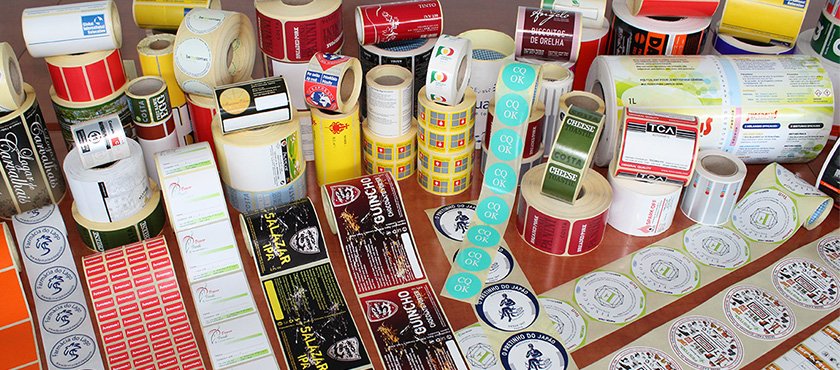
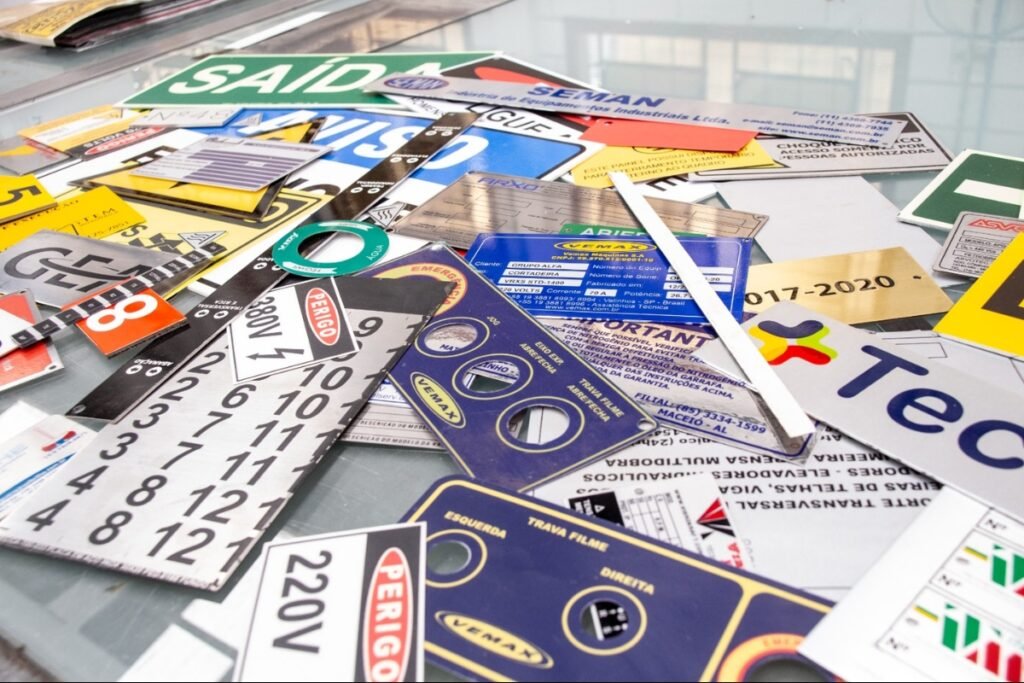
Waterproof signage labels are essential in environments where exposure to water, moisture, or adverse weather conditions is a concern. The choice of best material The choice of materials for these types of labels depends on the environment, the purpose of the signage, and the available budget. Some of the most common materials for waterproof labels include:
Waterproof vinyl: Vinyl is a durable material that is often used for waterproof labels. It is resistant to water, fading, and abrasion. These labels are suitable for indoor and outdoor use and can be customized in various ways.
Waterproof synthetic paper: Synthetic paper is an alternative to conventional paper because it is water and wear resistant. It is a more economical choice compared to vinyl and can be used in both indoor and outdoor environments.
Waterproof polypropylene: Polypropylene is a durable plastic that can be used to make water-resistant labels. It is a common choice in industrial environments where exposure to water, oil, and chemicals is a concern.
Waterproof polyester: Polyester is a highly water-resistant and fade-resistant material. It is an excellent choice for long-lasting labels in harsh outdoor environments.
Waterproof laminated labels: Regardless of the label material, applying a waterproof lamination layer can increase the label's durability and protection against external elements. Lamination helps prevent scratches, fading, and water damage.
Types of waterproof printing for signage labels.
For waterproof signage and identification labels, the choice of printing methodIt is crucial to ensure that the labels are durable and water-resistant.
Here are some common printing types for waterproof labels:
Thermal transfer printing
Dye sublimation printing
Laser printing
UV inkjet printing
Direct thermal transfer printing
Printing using solvent inkjet printers
Screen printing.
The choice of printing method will depend on the project specifications, budget, and durability requirements. It is important to ensure that the printing method is compatible with the material. label Select the appropriate method to achieve the best results. Additionally, consider environmental exposure and safety regulations, if applicable, when choosing the type of waterproof label and printing method.
Applications for waterproof signage labels
Waterproof labels are useful in a variety of applications where resistance to moisture, water, and other liquids is essential. Here are some of the most common applications for waterproof labels:
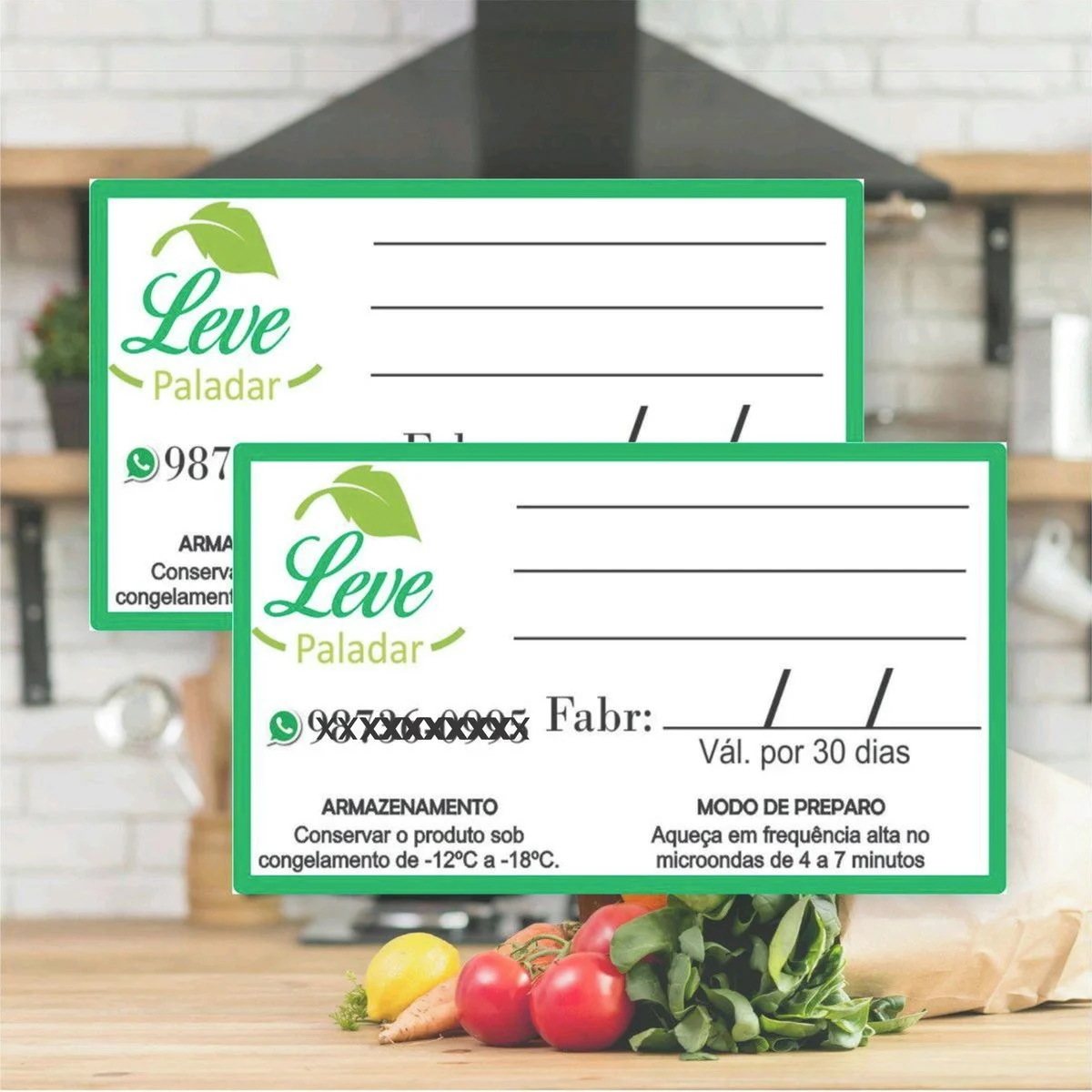
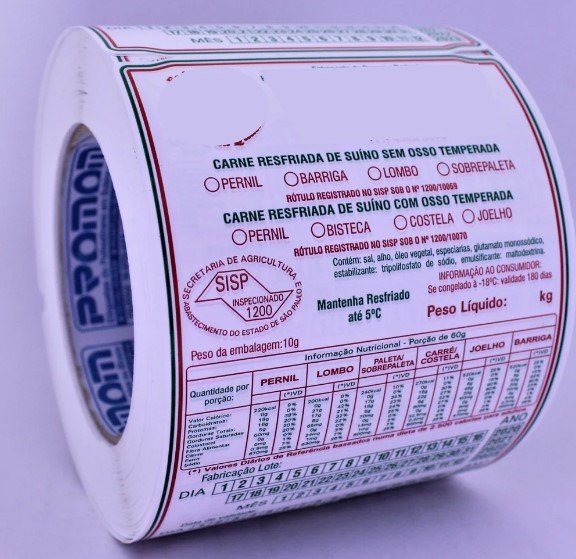
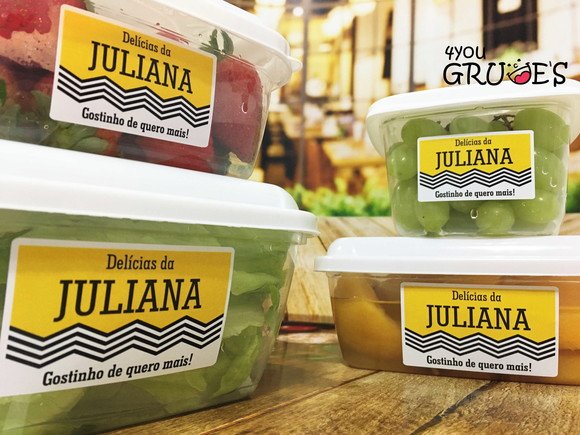
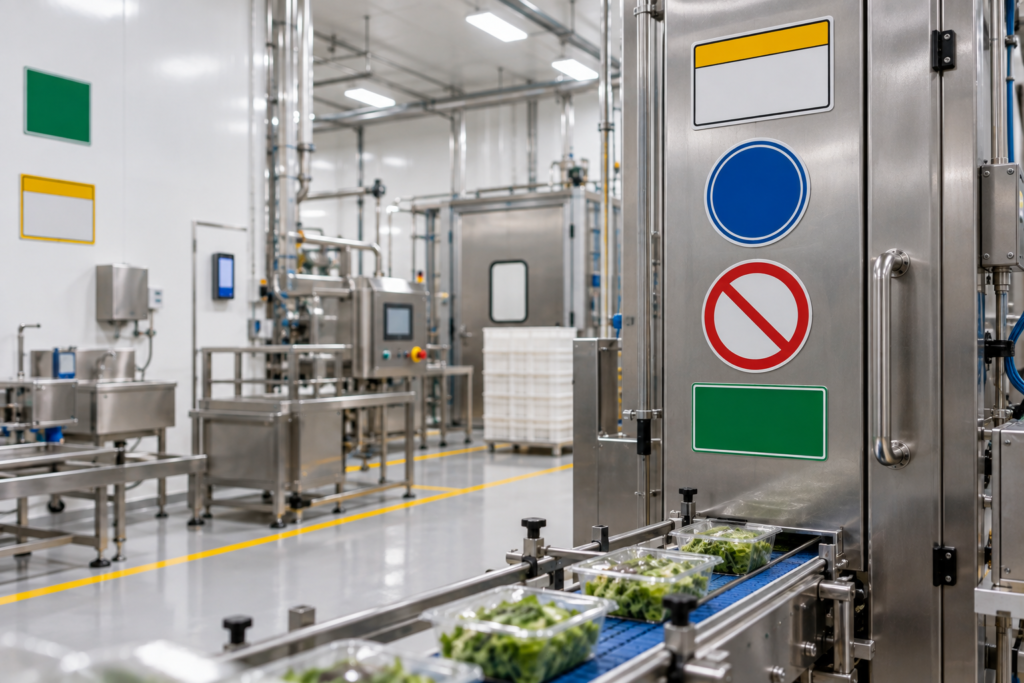
Food product labeling
Personal care product packaging
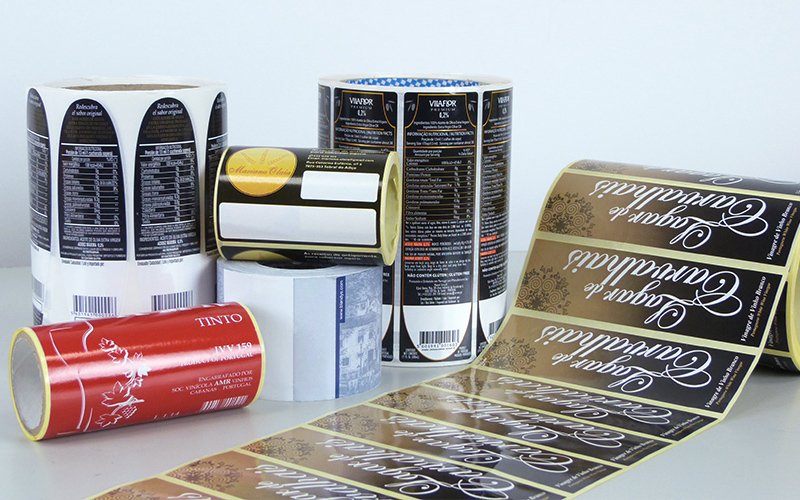
Beverage bottle labels
Labels for outdoor equipment
Labels for chemical and industrial products
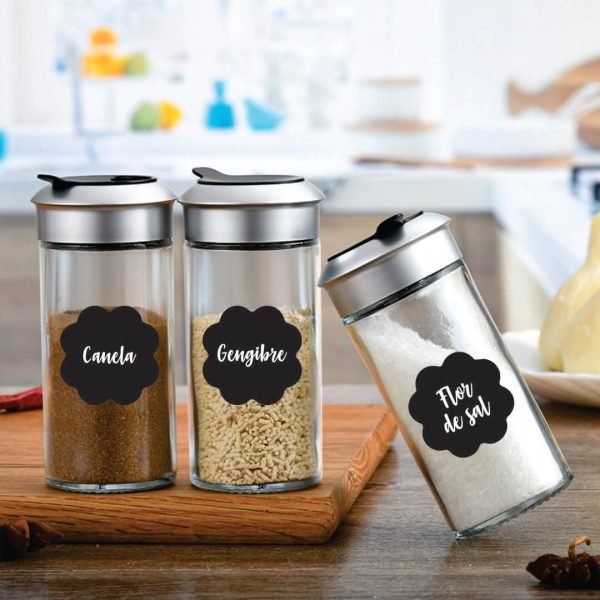
Labels for food and beverage storage containers
Outdoor signage
Healthcare industry
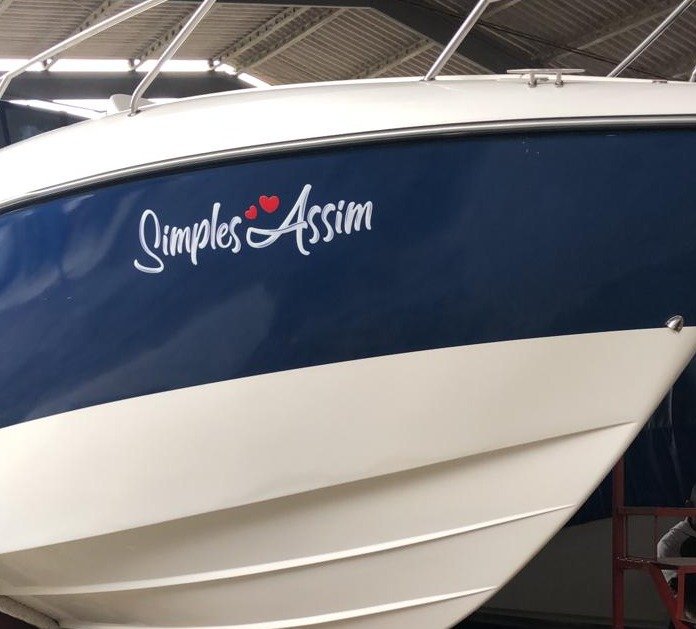
Maritime and nautical industry
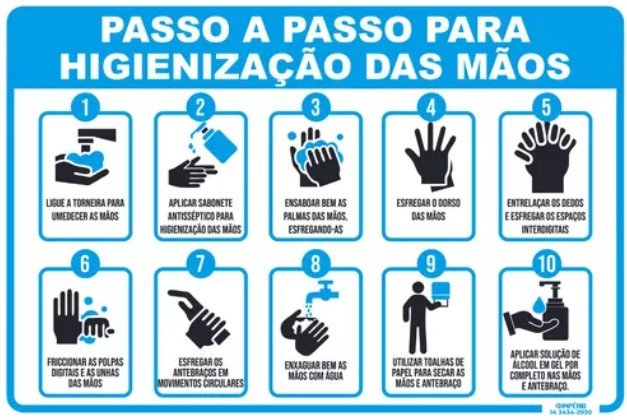
Signage in wet environments
In summary, when choosing the material for waterproof labels, consider the environment in which they will be used, the durability necessary and within the available budget. Furthermore, ensure that the print The material used should be water-resistant so that the signage remains legible even when exposed to moisture or water. In many cases, it is advisable to consult specialized suppliers or printing companies for customized guidance based on the specific needs of your project.