Main differences between Digital Printing and Screen Printing (Silkscreen)
A fingerprint and the Screen printing These are two widely used printing methods, each with its own characteristics, advantages, and applications. Understand the main differences and advantages of each:
Screen printing:
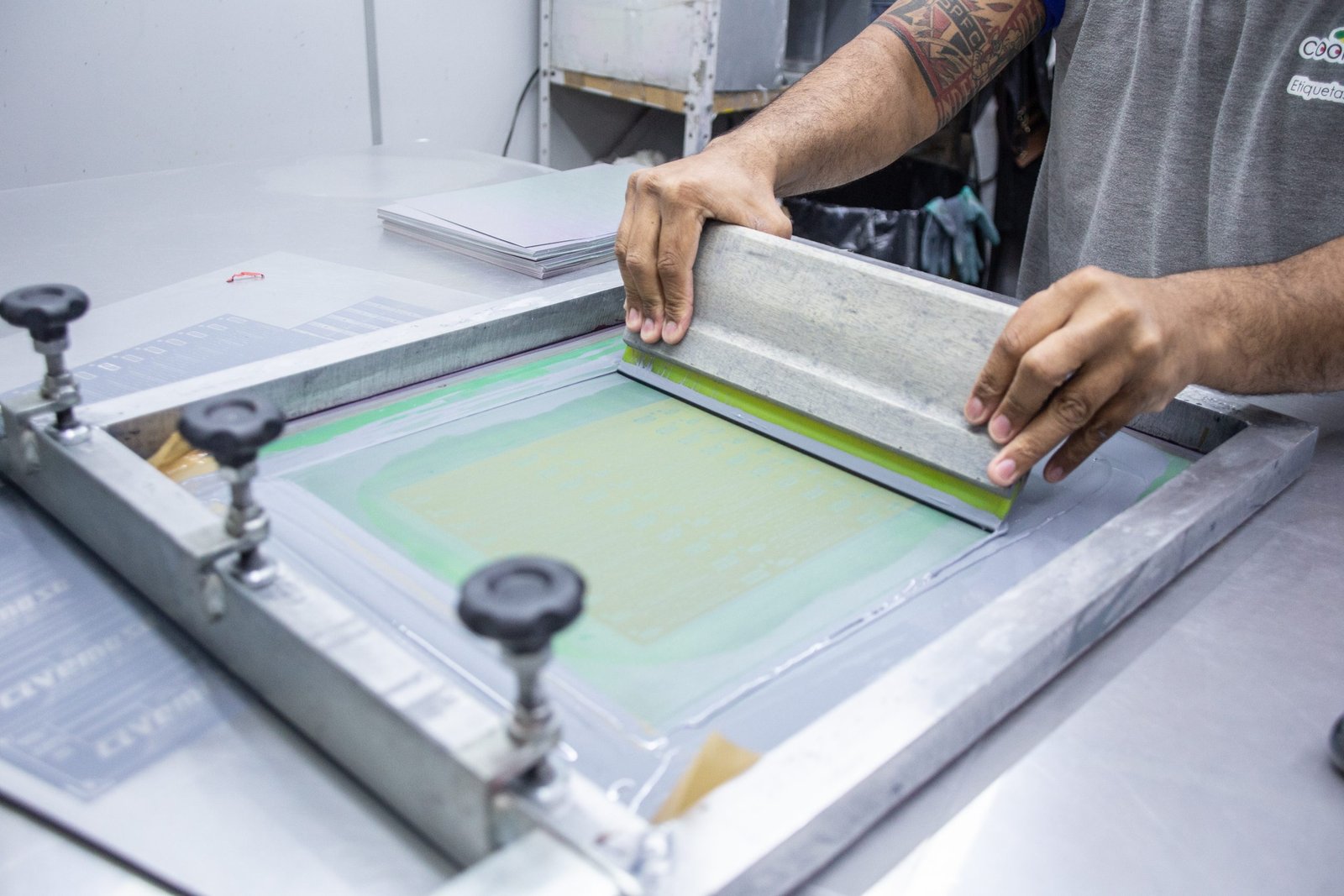
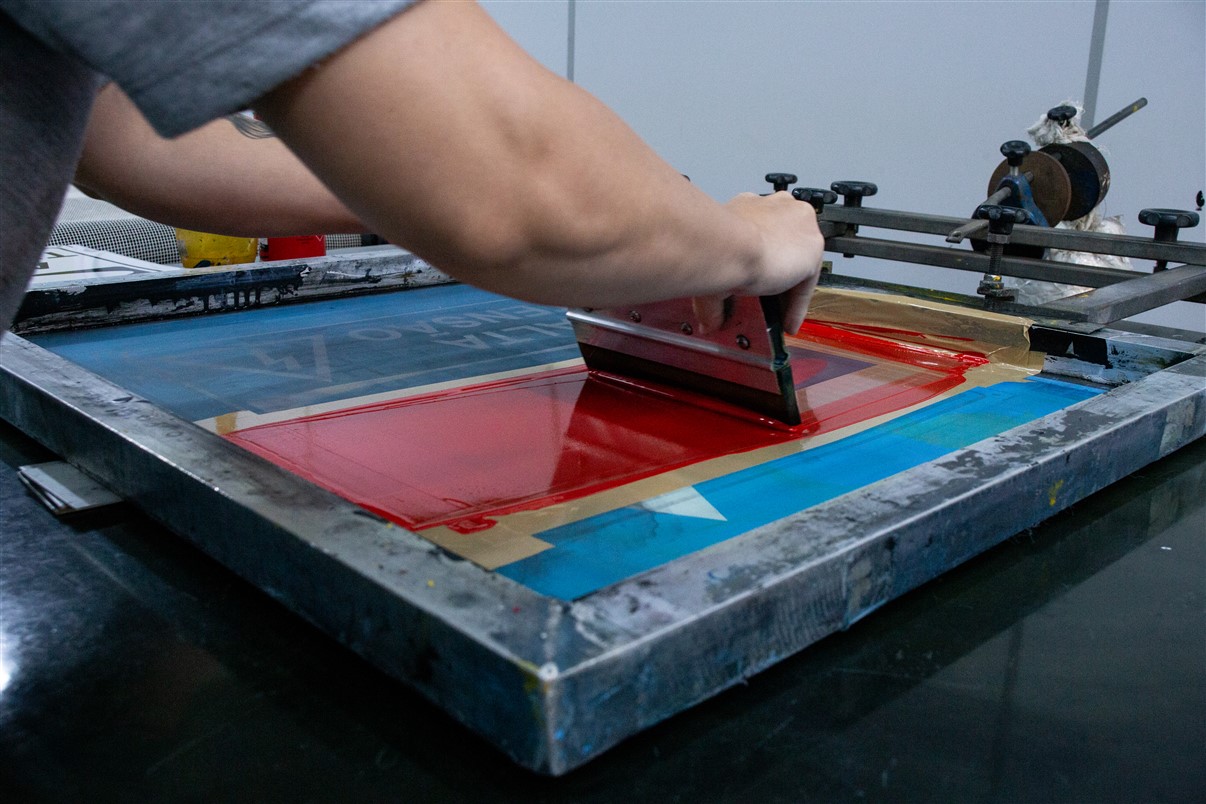
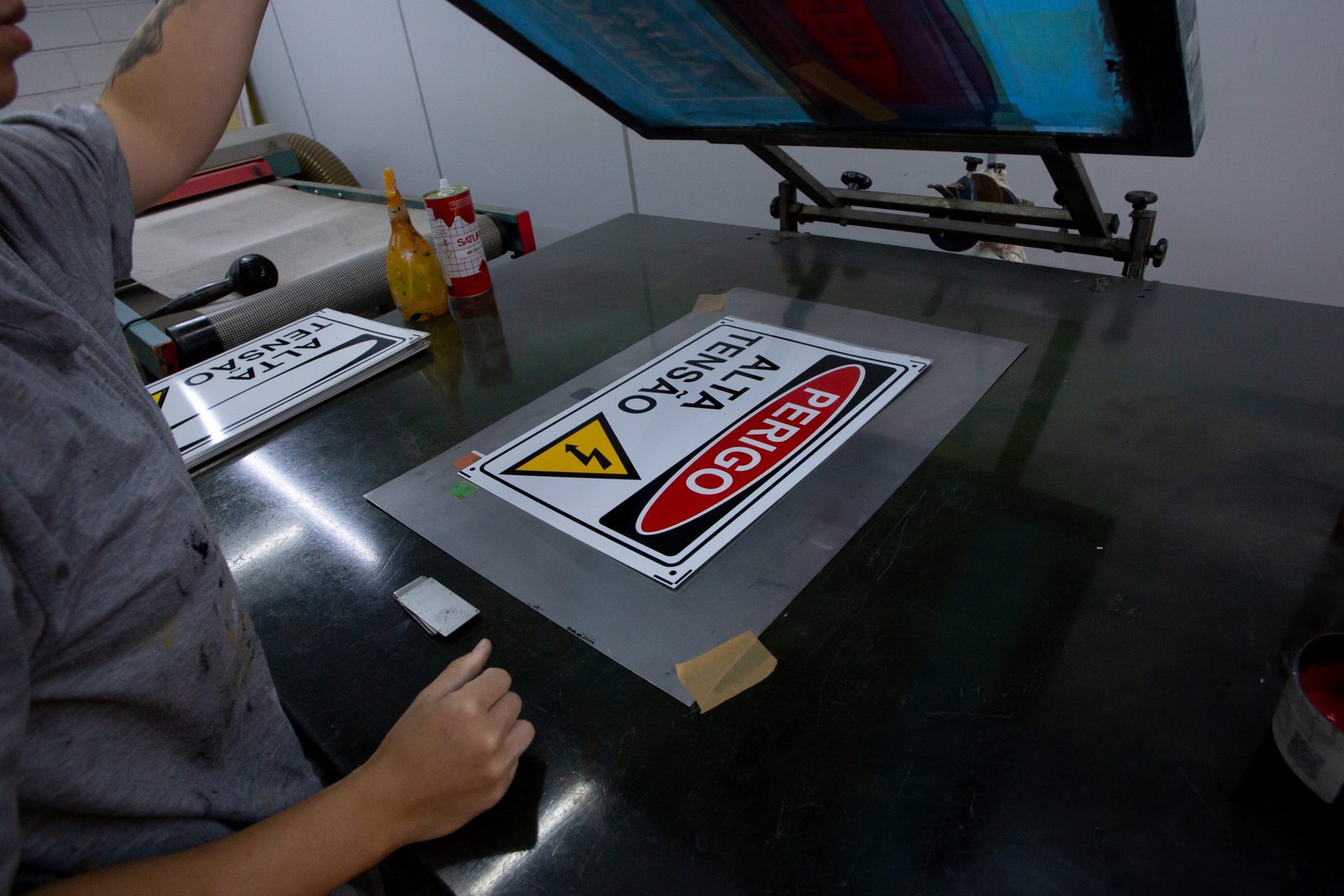
Printing process: A screen printing It is a printing method that involves transferring ink through a mesh screen stretched over a surface. It is a manual process that requires creating a printing stencil for each color in the design.
Print quality: It is known for producing vibrant and long-lasting colors. It is ideal for printing on flat or textured surfaces, such as fabrics, glass, ceramics, and metals.
Cost: A screen printingIt can be economical for large print runs, but it can be expensive for small quantities due to the time and labor involved in preparing the screens.
Substrate versatility: It can be used on a wide variety of materials, including fabrics, plastics, cardboard, and metal.
Durability: To the screen printing They tend to be resistant to sunlight, water, and chemicals, making them suitable for outdoor applications.
Limitations: Although screen printing has several advantages, it is important to note that it also has some limitations, such as the need to create separate screens for each color to be printed and the difficulty in reproducing smooth gradients.
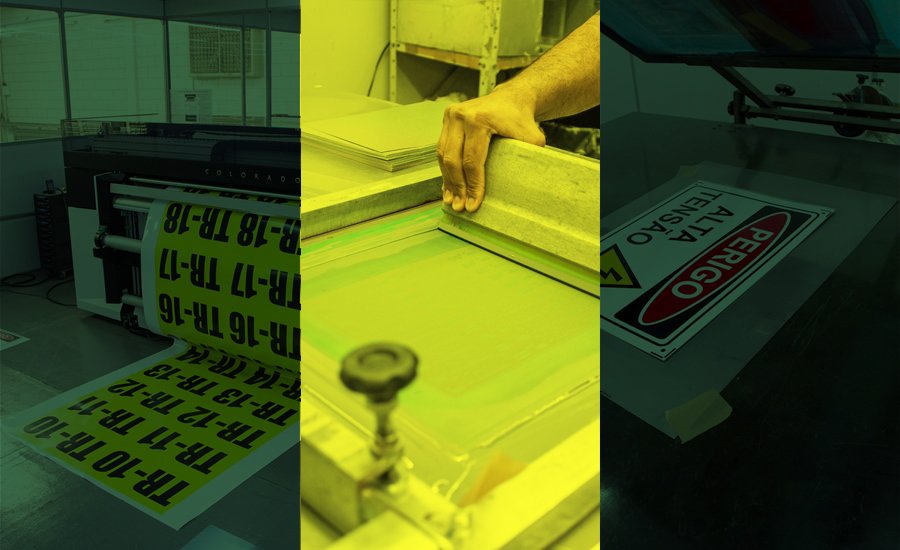
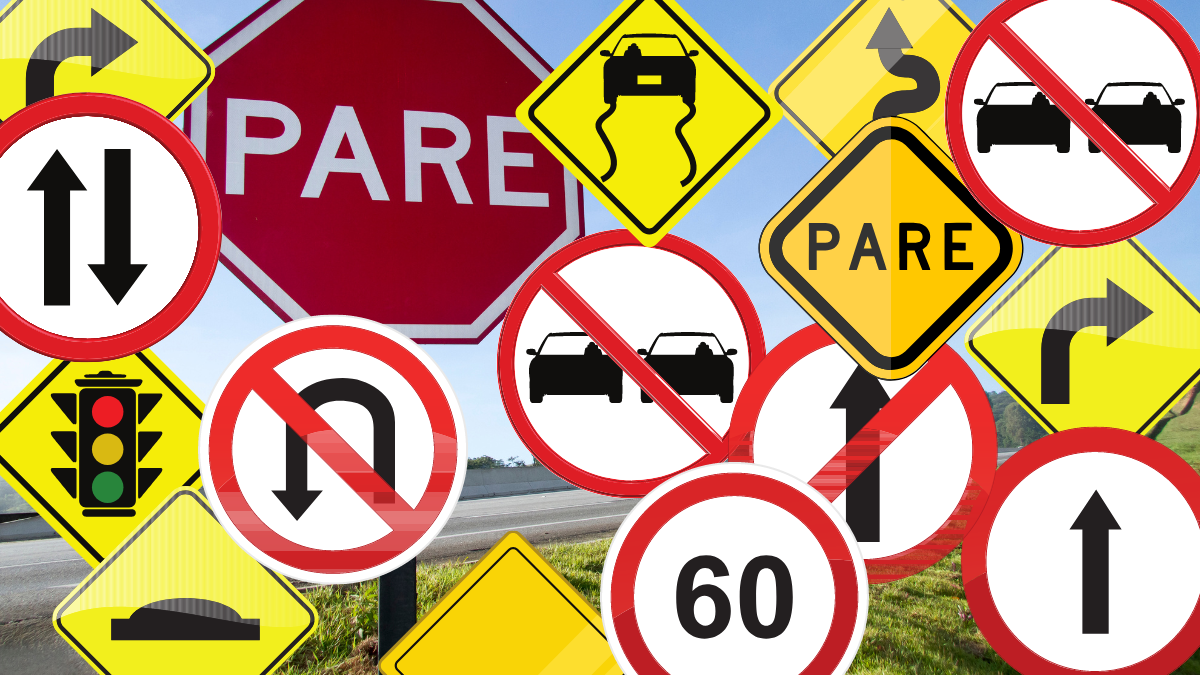
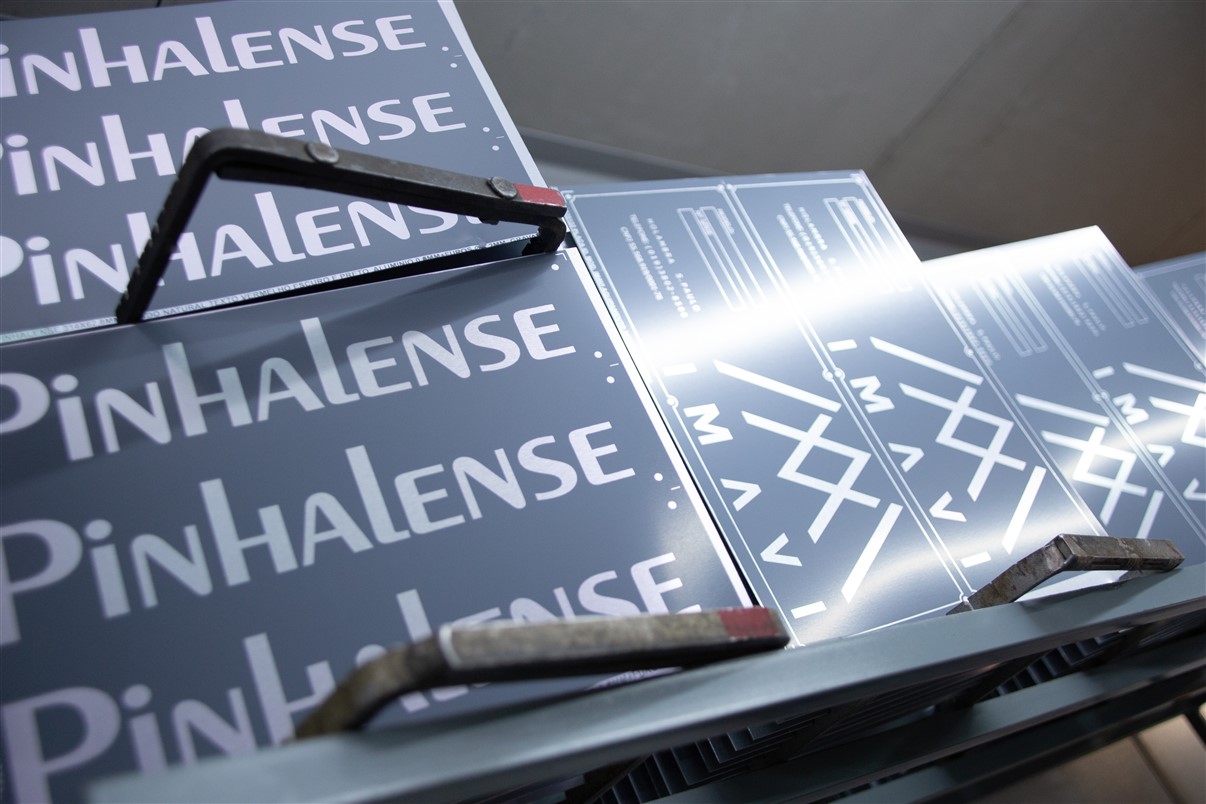
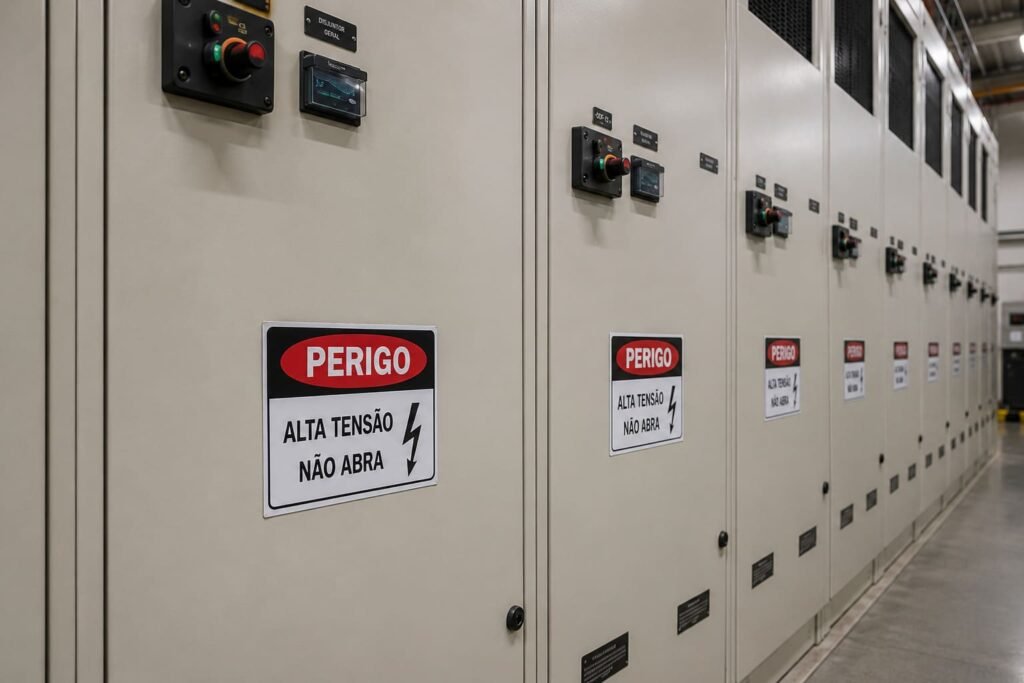
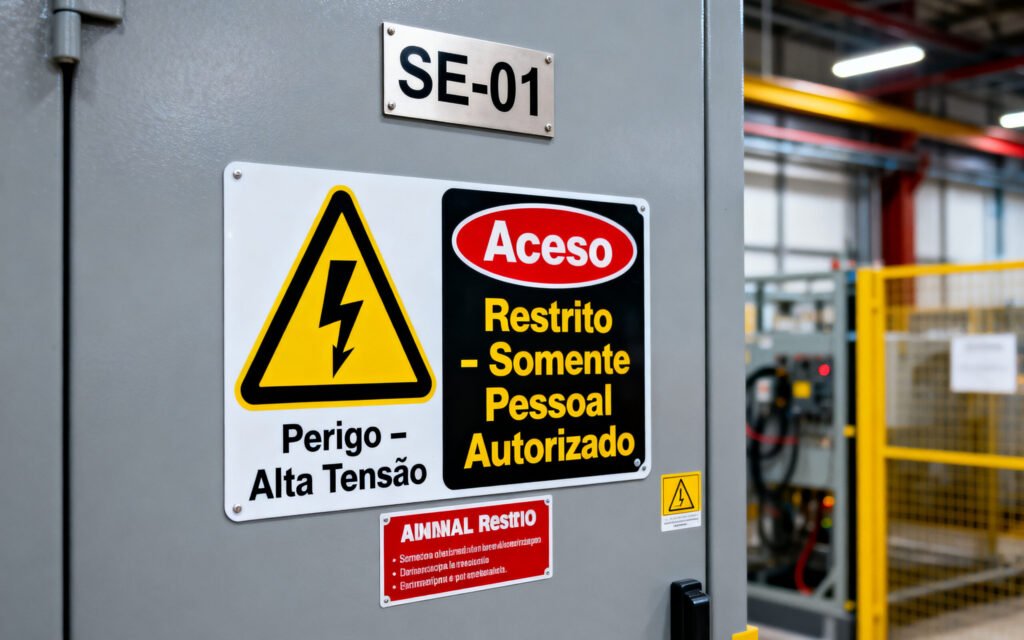
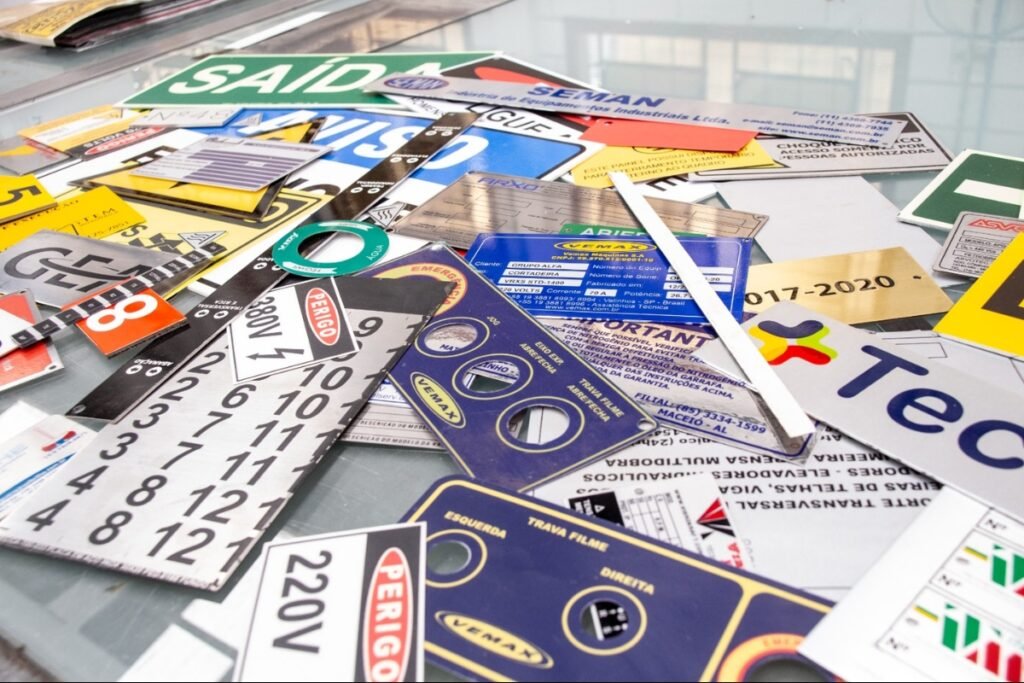
At Cooperart, screen printing is most often used for traffic signs and power line signs.
Fingerprint:
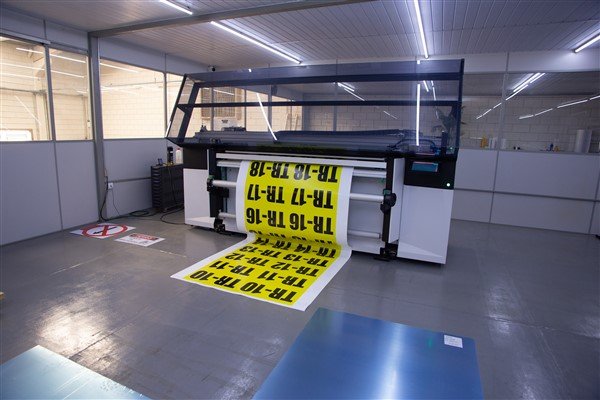
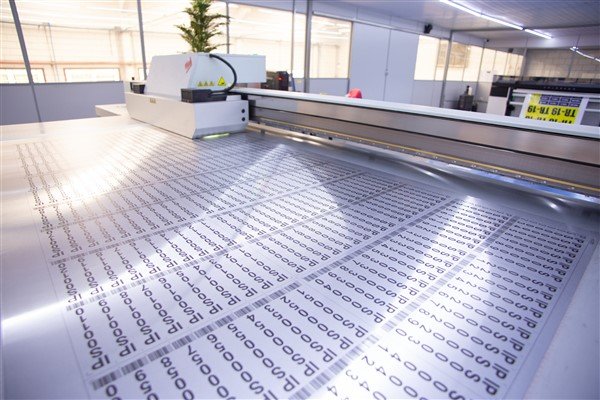
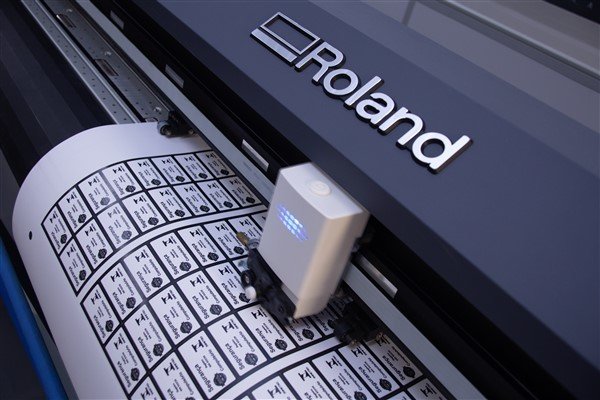
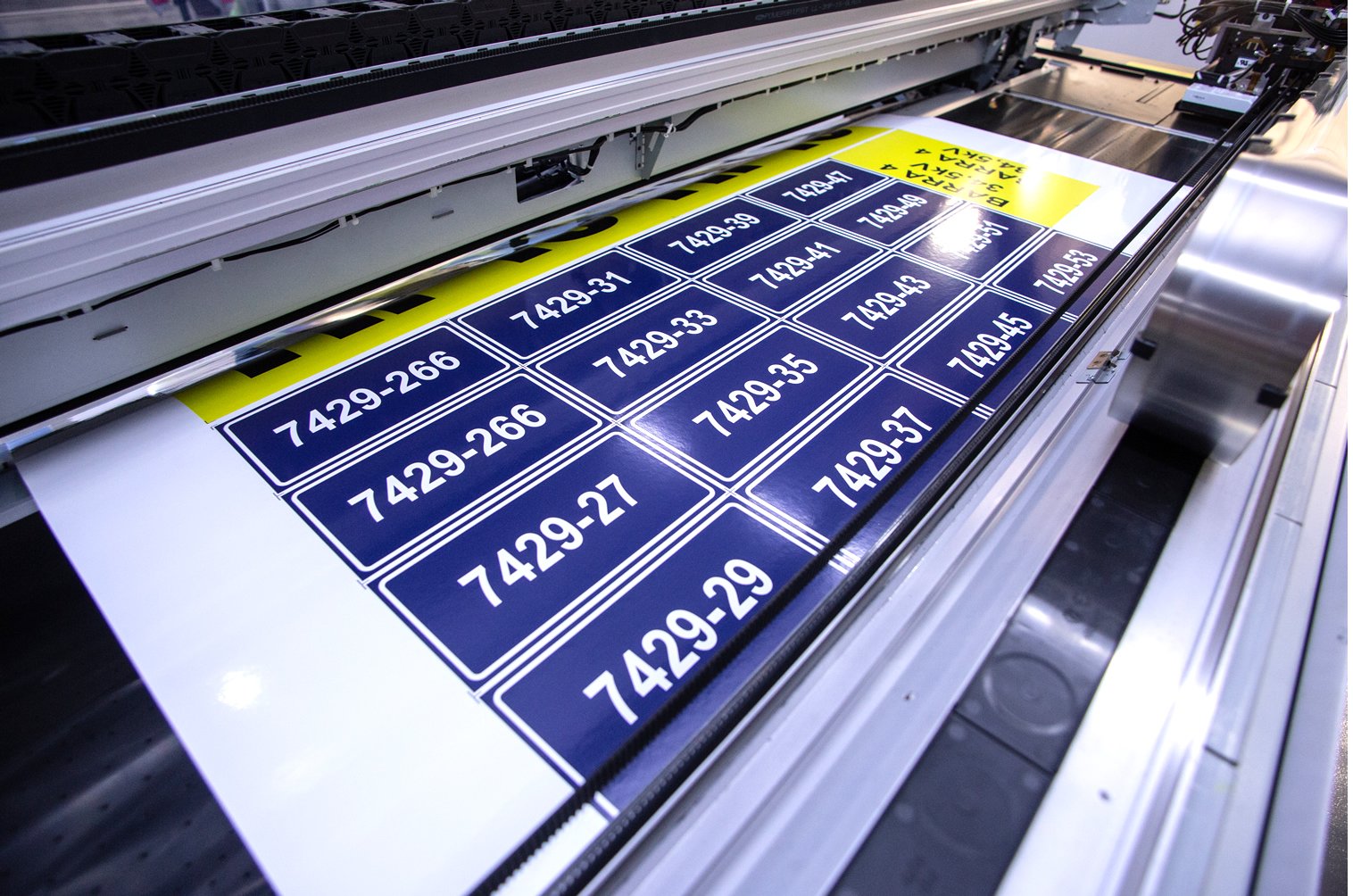
Printing process: It is a direct process in which the image is printed directly onto the substrate, whether it be paper, fabric, plastic or other materials, using a digital printer.
Print quality: It offers high quality and color accuracy, being able to reproduce photographic images and complex graphics.
Cost: Efficient for small print runs, as it does not require the creation of printing plates. However, it can be more expensive than screen printing for large volumes.
Substrate versatility: A fingerprint It is highly versatile and can be used on a wide range of substrates, including paper, fabric, plastic, wood, and metal.
Fast production: It is fast and suitable for projects with tight deadlines, as it does not require time-consuming screen preparation.
Customization: It allows for individualized customization, making it ideal for print-on-demand and personalized products.
Limitations: Although fingerprint While digital printing offers many advantages, it's important to recognize that it also has limitations, such as higher costs per unit for very large print runs and some restrictions in terms of color and texture compared to specialized printing techniques. The choice between digital printing and other printing methods depends on the specific project needs and the quantities to be produced.
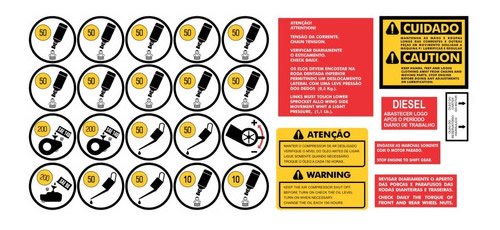
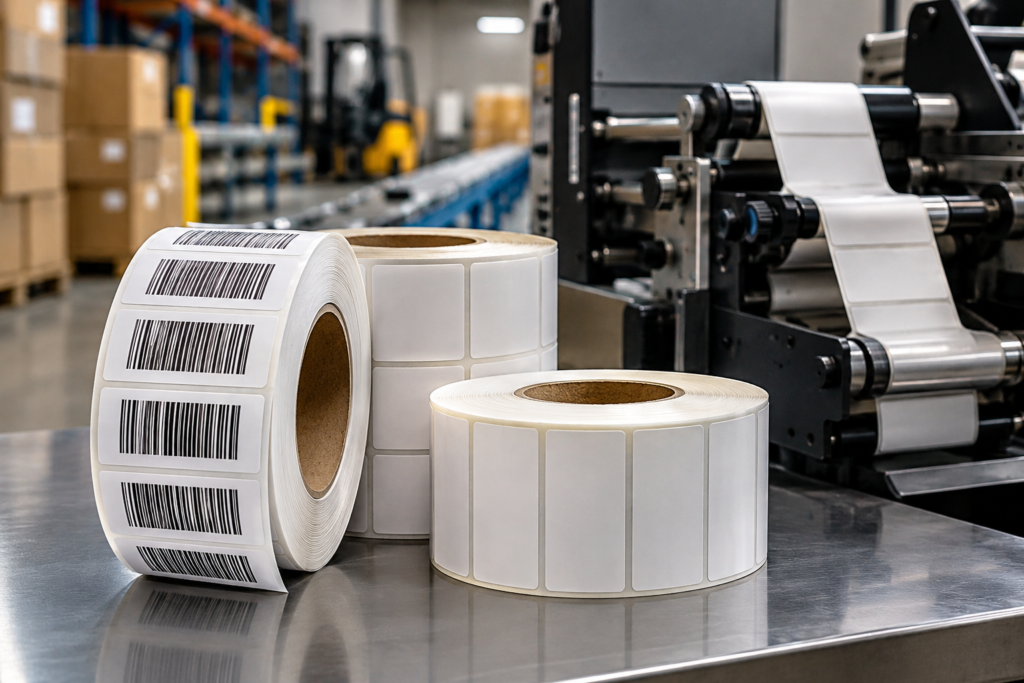
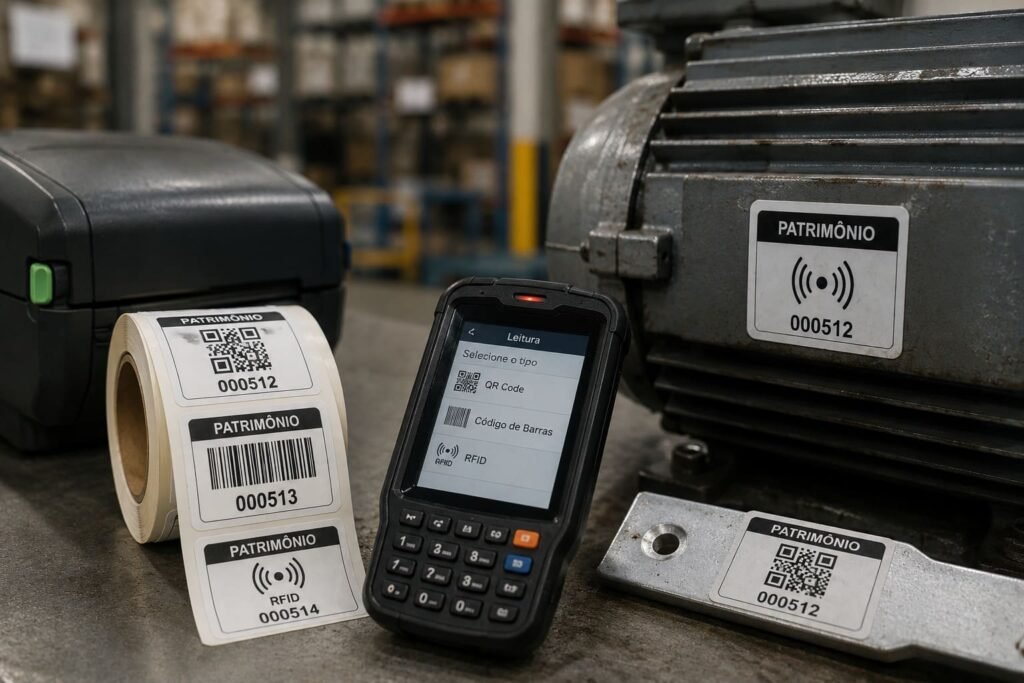
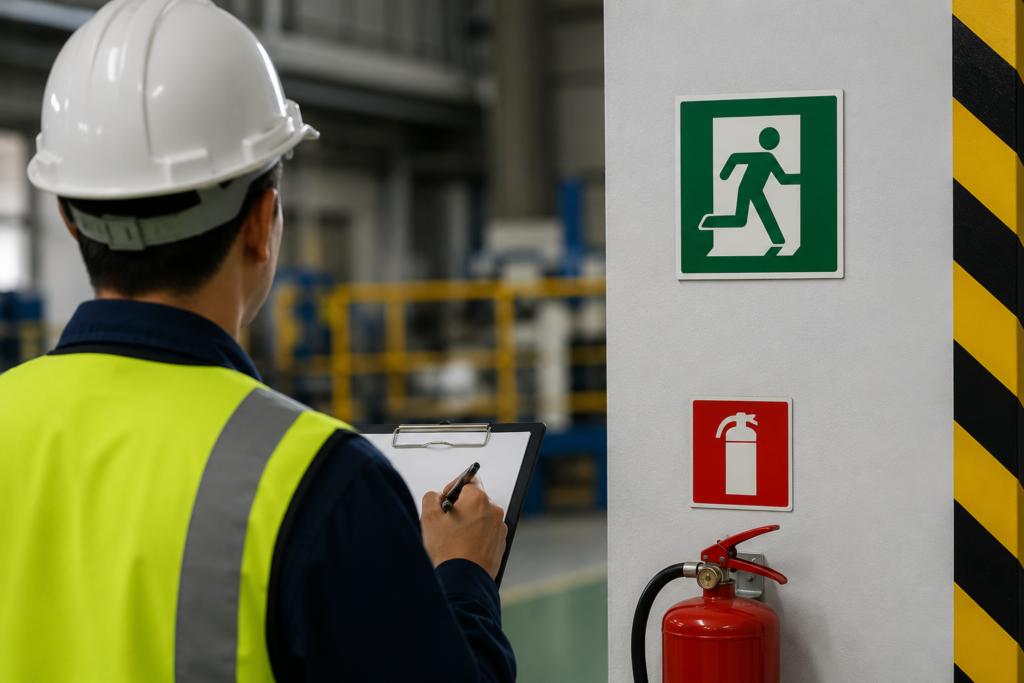
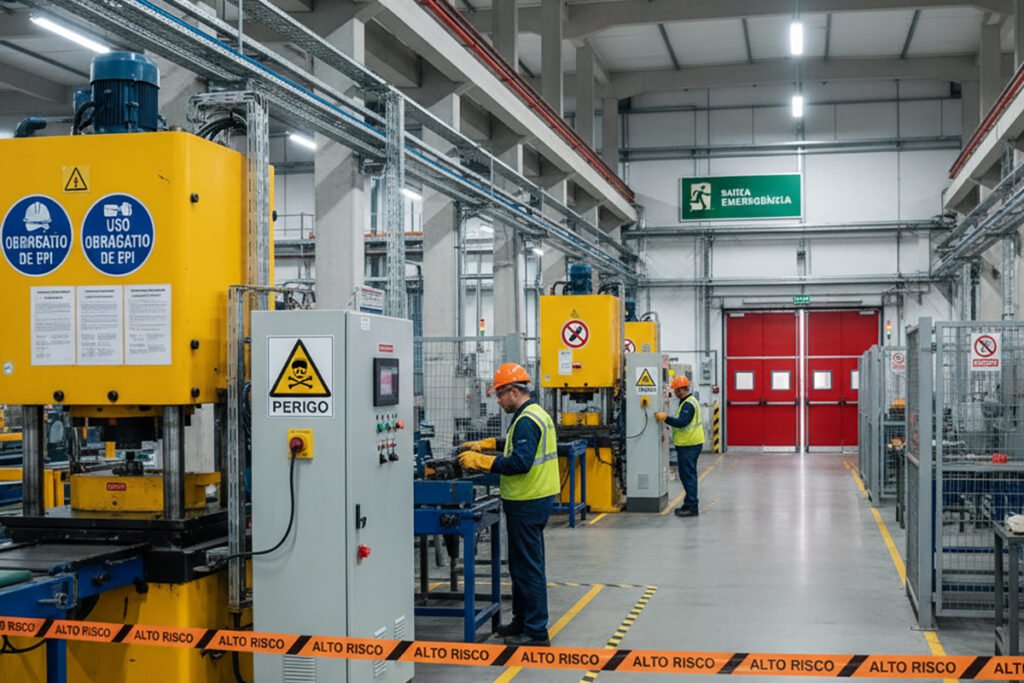
At Cooperart, we offer digital printing for safety plates and labels for various sectors.
In short, the choice between screen printing and digital printing depends on the project needs, budget, and substrate. Screen printing is great for large print runs and textured surfaces, while digital printing is more flexible, offering high quality and customization capabilities, especially for small print runs. Both methods have their place in... industry printing, and the right choice will depend on the specifications of the job in question.
Get more information about Cooperart's.
Click the button and fill in your details, or if you prefer, you can send us a message and we will get back to you as soon as possible.