It's a mistake to think that digital printing replaces the silk screen printing process.
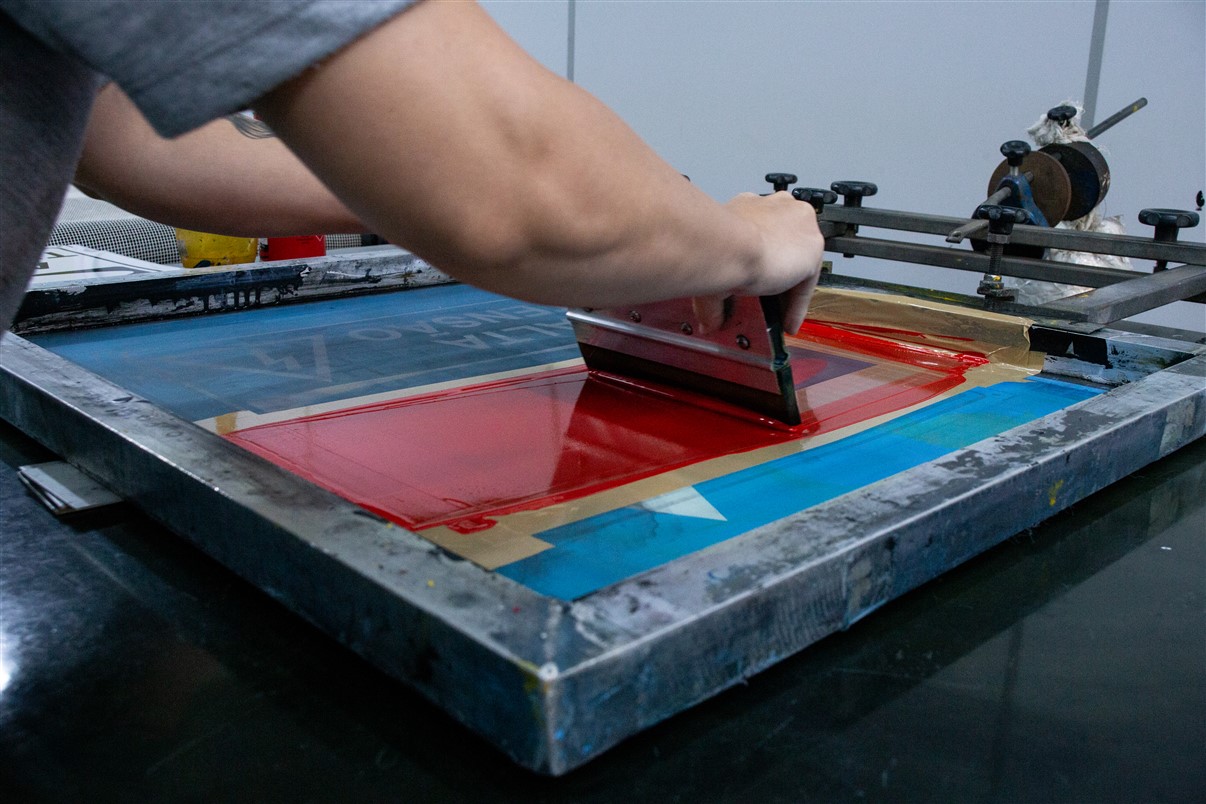
It is a fact that Silk Screen refers to an ancient and more artisanal technique for printing content onto different materials, whether rigid or non-rigid.
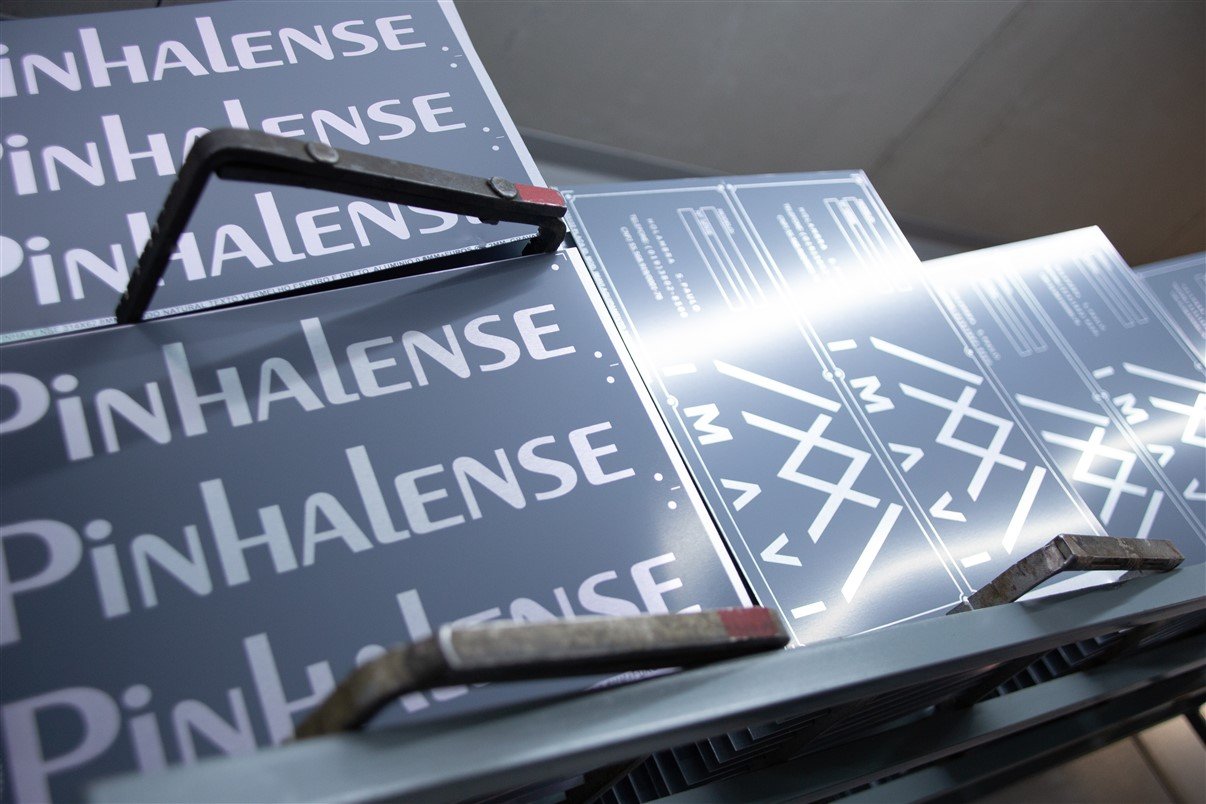
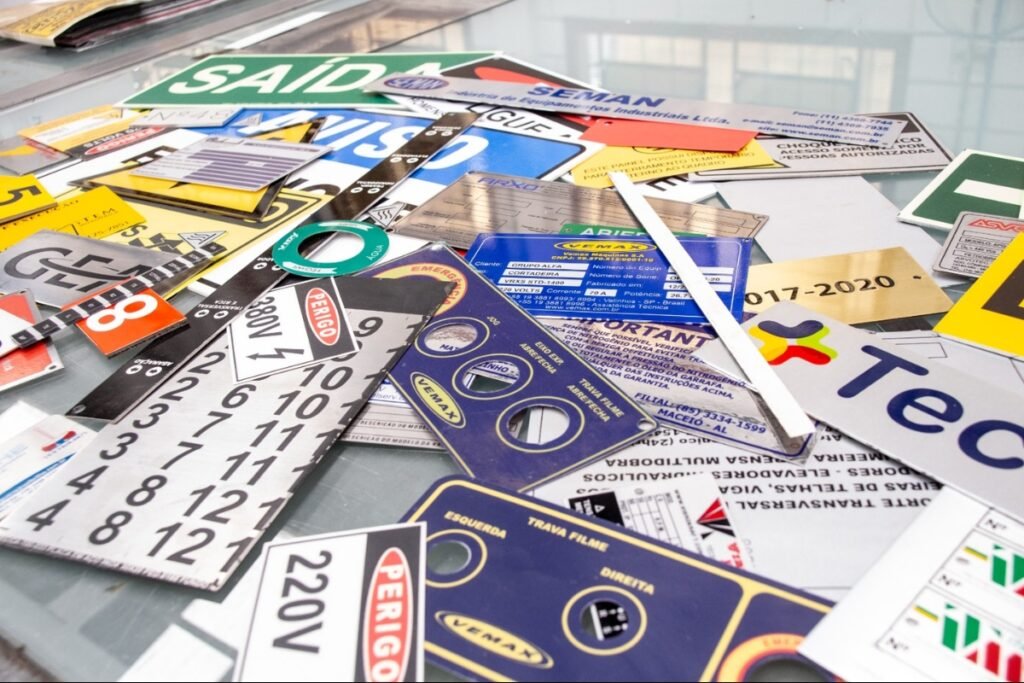
However, screen printing is still widely used in the graphic arts world, especially in the signage segment, offering an important advantage for clients with signage needs in outdoor environments. Durability is a decisive factor in choosing this type of process, since products finished with screen printing have unparalleled resistance compared to digital printing when exposed to harsh weather conditions caused by sun, rain, and chemical reagents.
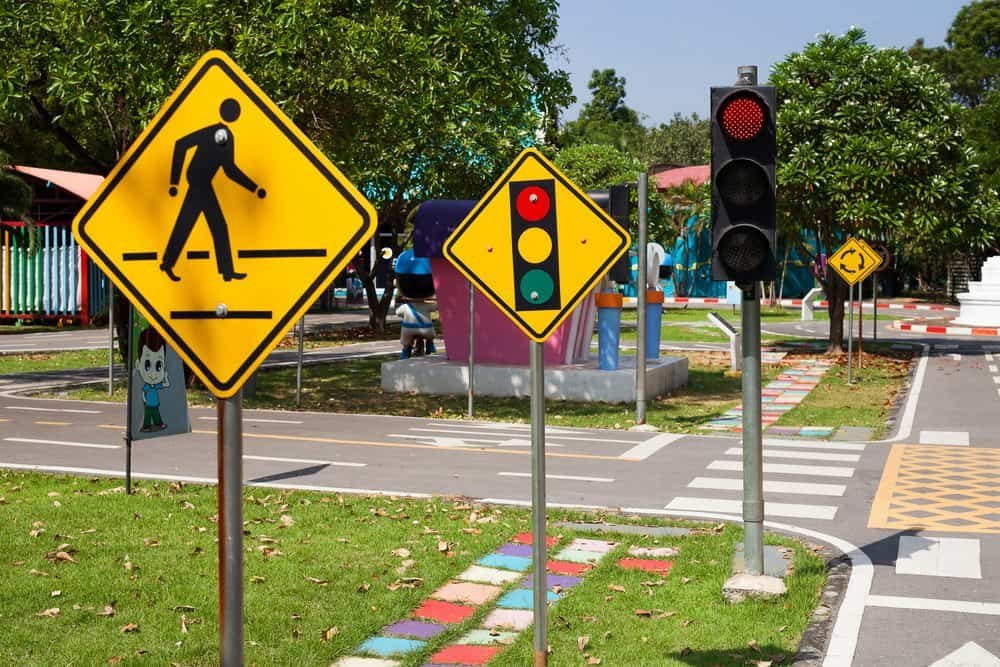
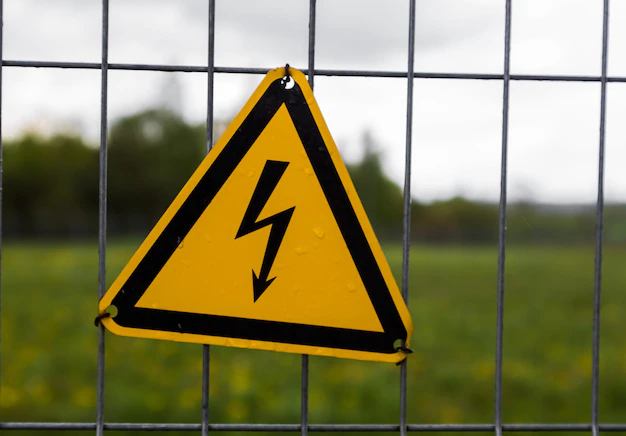
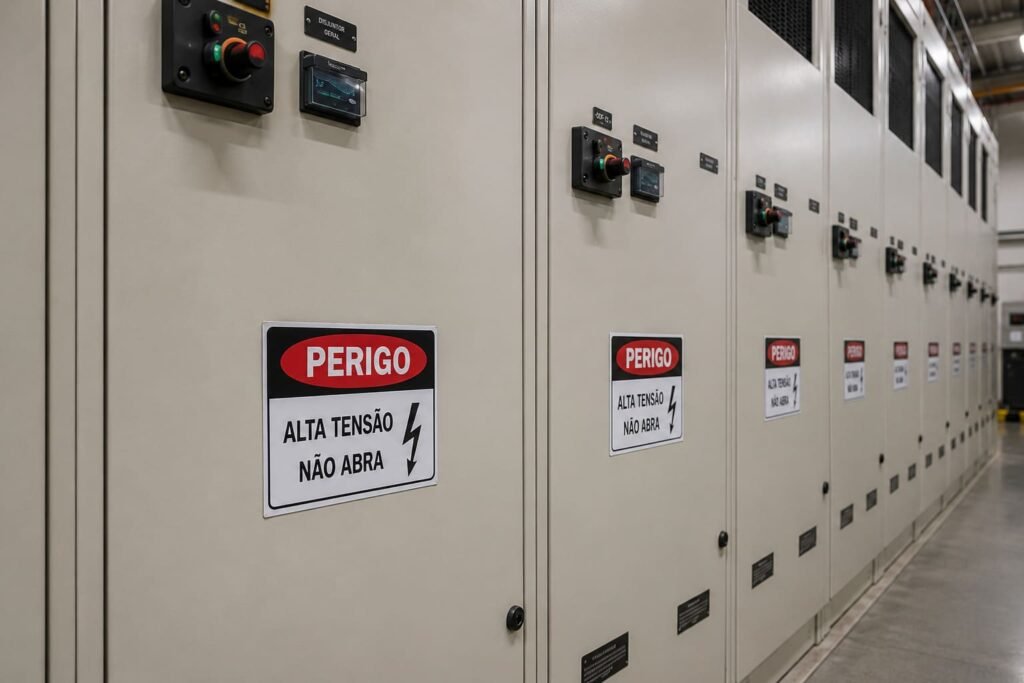
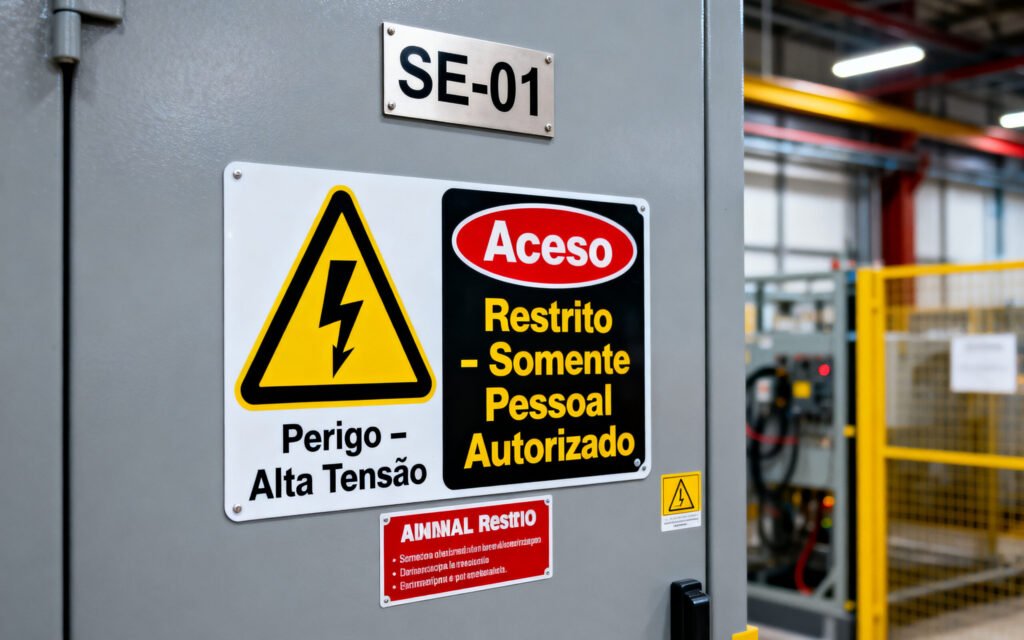
To illustrate silk screen applications more precisely, imagine traffic signs or electrical transmission lines.
All signage used in these environments requires greater resistance, with a minimum requirement of durability against weather conditions without losing contrast quality and color retention over the years.
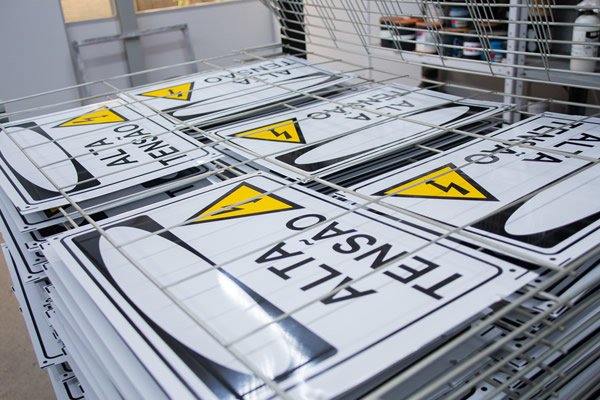
The silk-screening process uses chemical reagents to maximize the quality of design and color fixation. Only in this way is it possible to meet demanding specifications with a durability guarantee of up to five years, depending on the type of signage for a transmission line.
Cooperarts has a complete structure to produce signs, optimizing the silk-screen printing process. If your company is looking for a partner specializing in silk-screened signage for transmission lines, talk to Cooperarts.