Inclusive Design in Visual Communication: Signage for All (People with Disabilities, Seniors, Foreigners)
In a world that is becoming increasingly aware of diversity, inclusive design in visual communication is not just a trend, but an imperative necessity. Signage designed for everyone is an expression of respect and a fundamental pillar for building truly accessible and safe environments. It meets the specific needs of diverse audiences, such as people with disabilities, the elderly, and visitors from other cultures who do not speak the local language.
In this article, we will delve into the importance of inclusive design in signage, exploring how incorporating elements such as Braille, high contrast, universal pictograms, and tactile features can transform spaces, ensuring accessibility and safety for all.
Why is Inclusive Design Fundamental?
Inclusive design transcends aesthetics, focusing on creating solutions that are intuitive, safe, and easily understood by anyone, regardless of their abilities or background. In a scenario where effective communication is crucial, inclusive signage plays a vital role: that of informing and integrating. By considering the needs of different groups, organizations and companies demonstrate a genuine commitment to social responsibility, promoting the autonomy and dignity of each individual.
Key Elements for Truly Inclusive Signage
For one signaling To be effective and inclusive, it is essential to integrate a range of elements that meet the diverse needs of its users:
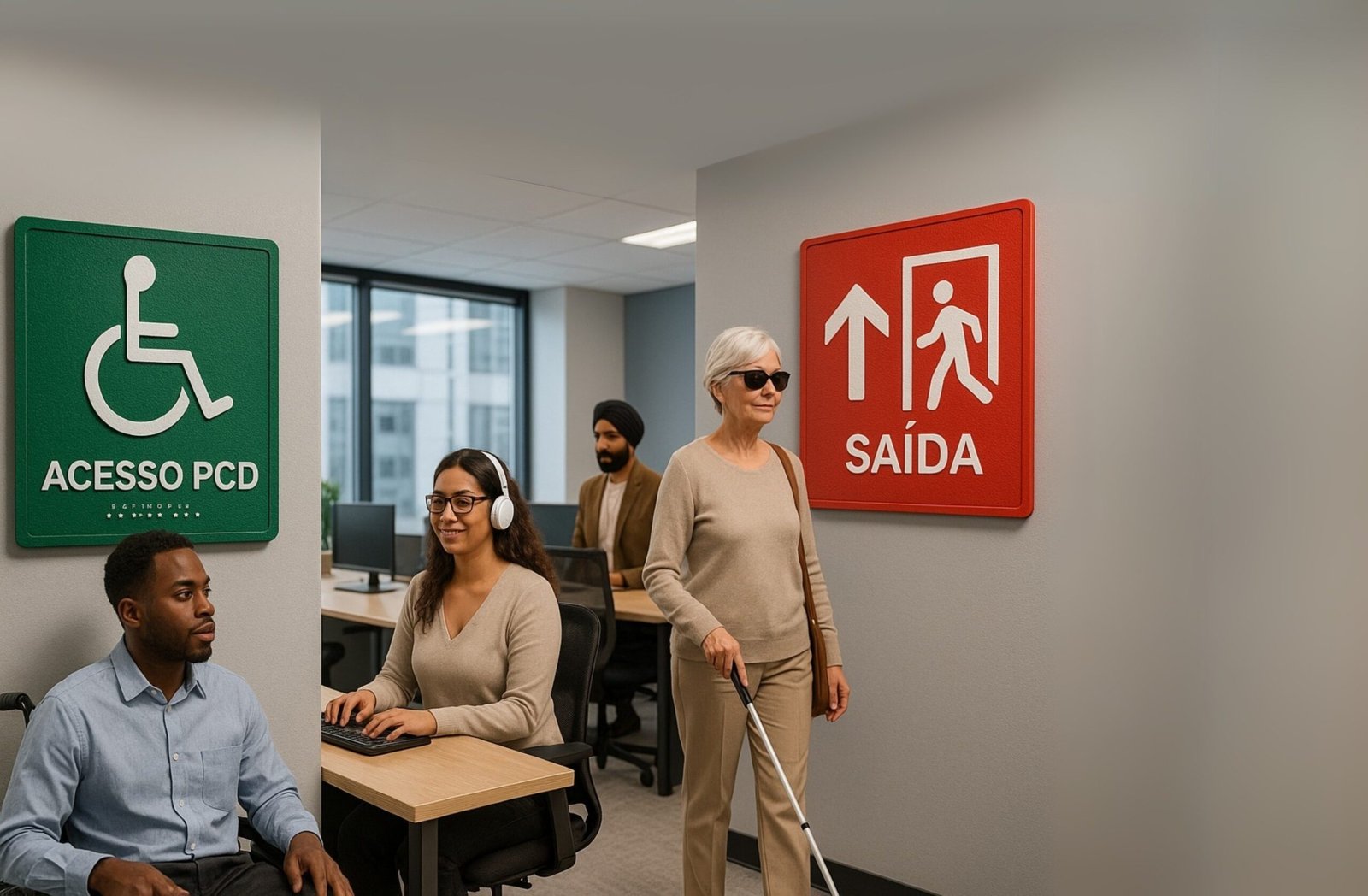
Braille: The Path to Autonomy The inclusion of Braille on signs and directories is a crucial step in ensuring that visually impaired people have autonomous access to information. This tactile reading system allows individuals to orient themselves and understand messages independently, promoting their full participation in any environment.
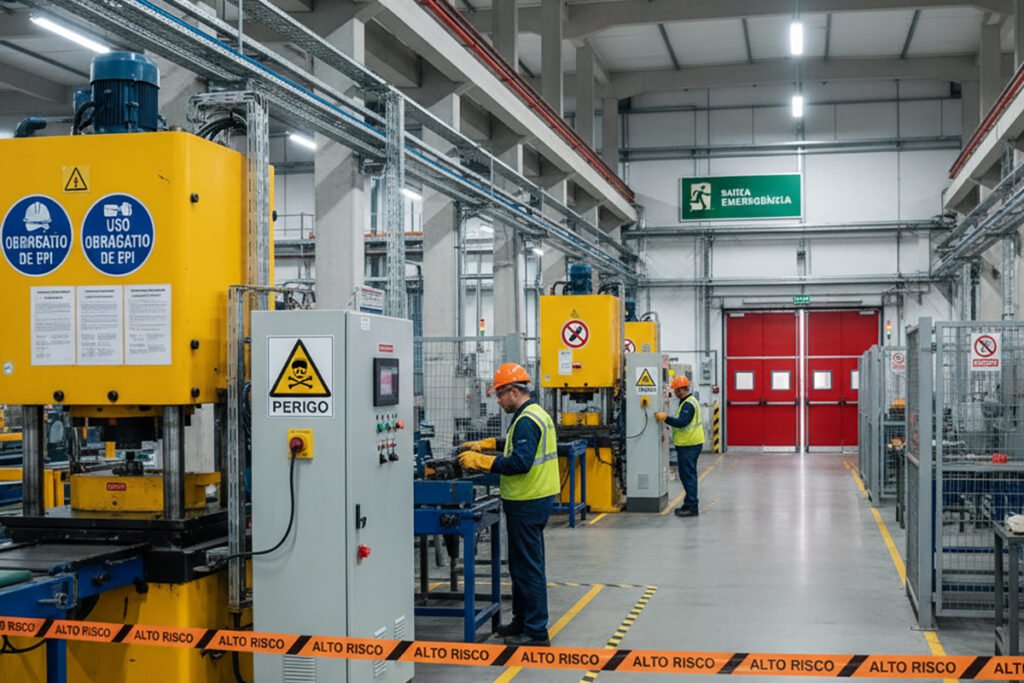
High Contrast: Clarity That Transforms For people with low vision or the elderly, color contrast is a determining factor. Using colors that contrast with each other (such as dark text on a light background or vice versa) significantly increases the readability and visibility of information. This technique not only facilitates the identification of signs but also contributes to safety, minimizing the chance of accidents and improving navigation in any space.
Universal Pictograms: Overcoming Language Barriers The visual language of universal pictograms is a powerful solution in environments with a high flow of people from different nationalities. Simple and globally recognized icons ensure that vital information is understood instantly, regardless of the language spoken. This approach not only optimizes communication but also welcomes and integrates visitors from all parts of the world.
Tactile Elements: Guiding Through Touch The incorporation of textures and reliefs in signage allows visually impaired people to perceive and interpret the environment through touch. Tactile maps, tactile paving, and raised signs offer a sense of direction and location that is vital for independence, also assisting elderly people who may have visual difficulties.
Examples of Success and Best Practices
Numerous public and private spaces around the world have already adopted inclusive design practices, reaping positive results. Airports, hospitals, museums, and shopping centers have implemented signage that harmoniously combines Braille, high-contrast text, and pictograms. These examples demonstrate that inclusion is not a cost, but an investment that values human beings and optimizes everyone's experience.
How to Implement Effective Inclusive Signage
Needs Mapping: Understanding user profiles and existing barriers is the starting point for an inclusive project.
Partnership with Experts: Having accessibility consulting services ensures that solutions are aligned with best practices and international standards.
Usability Testing: Submitting prototypes to end-user evaluation is crucial to validate their effectiveness and make necessary adjustments.
Innovation and Technology: Using durable materials and advanced production techniques contributes to the longevity and functionality of the signage.
Continuous Feedback: Maintaining an open channel for suggestions and criticism allows for constant improvements and adaptation to new demands.
Conclusion
Inclusive design in visual communication is more than a trend; it's an ethical commitment and a demonstration of respect. By investing in signage that incorporates Braille, high-contrast text, universal pictograms, and tactile elements, we are building environments where diversity is celebrated and where every person feels valued and safe. CooperartsWe firmly believe in this paradigm, understanding that inclusive visual communication is an essential pillar for building a more just and accessible society for all.
And is your company ready to lead this barrier-free future?