Check out our detailed content.

Labels for industrial equipment

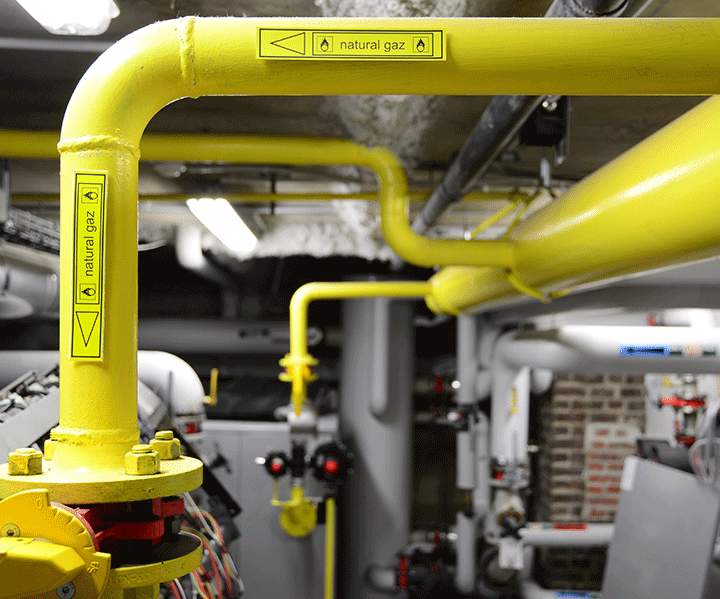
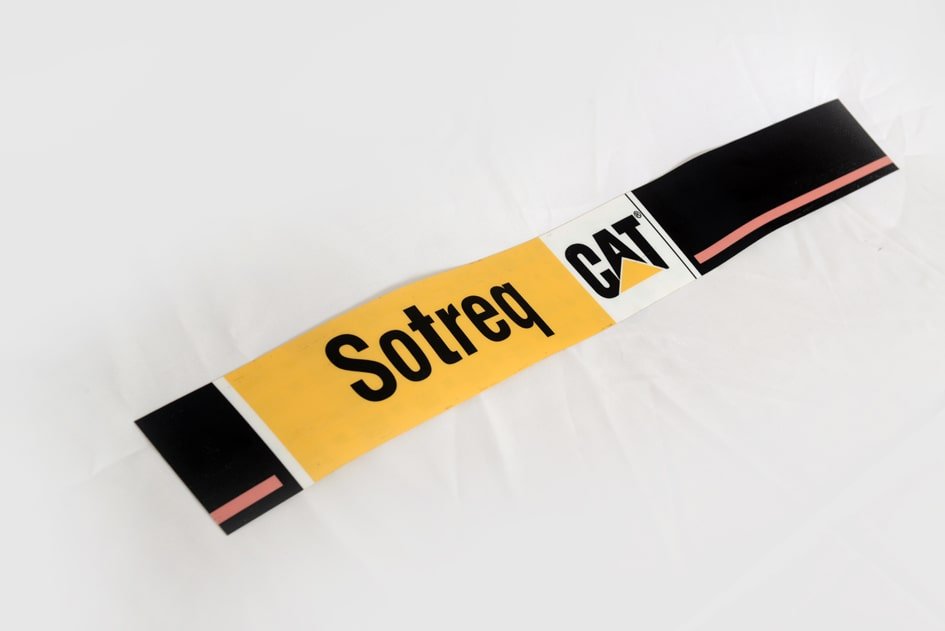
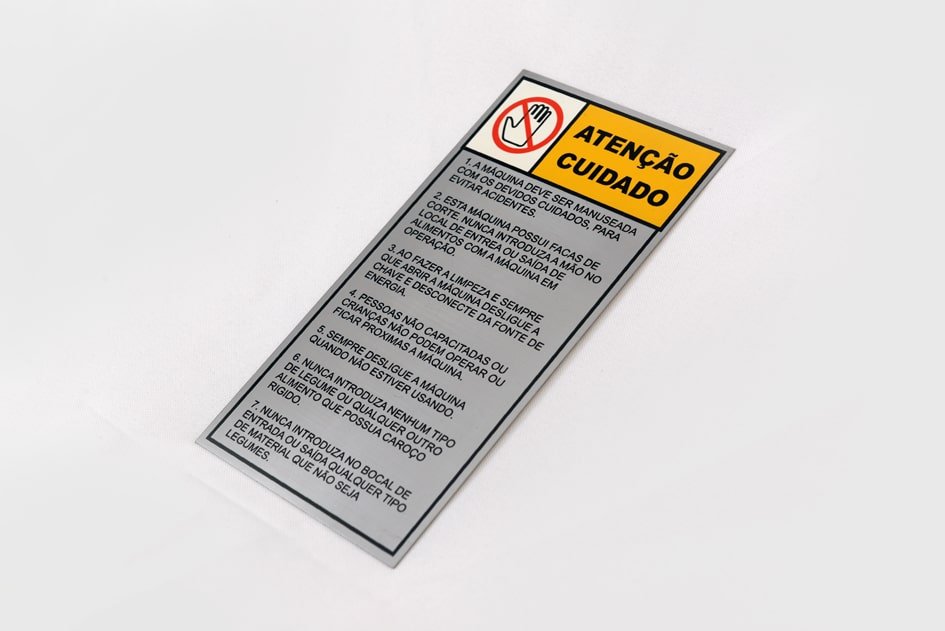
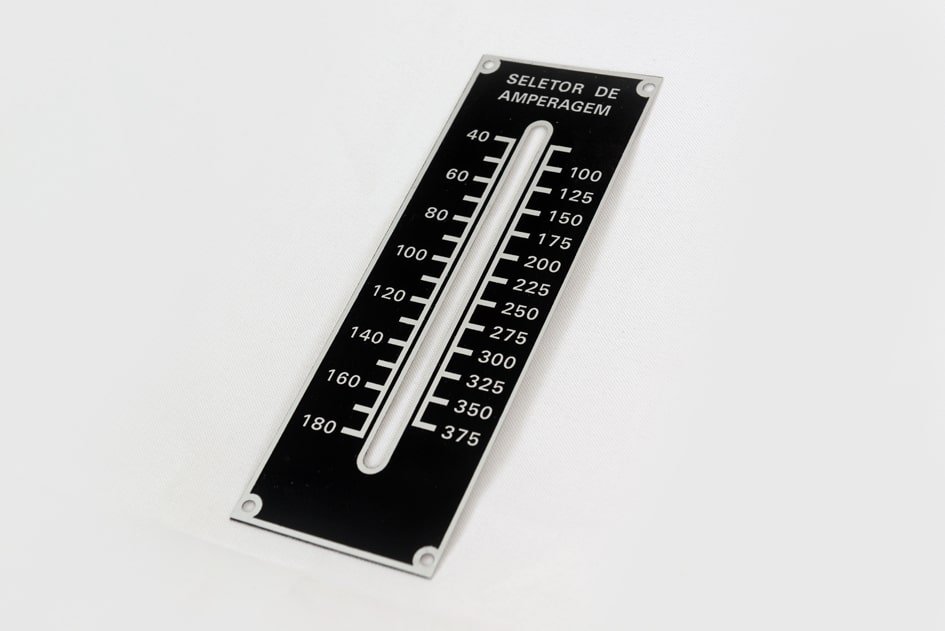
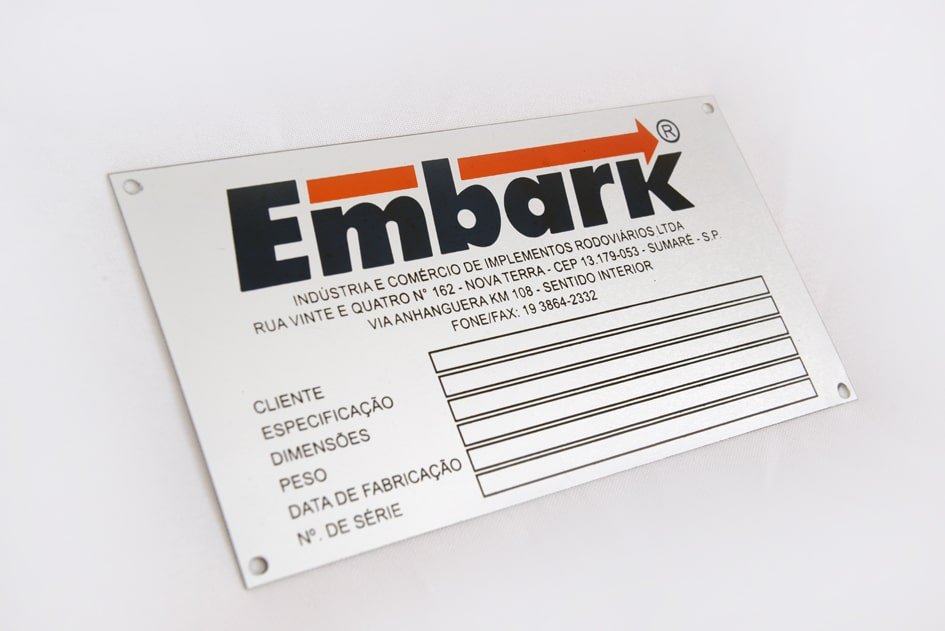
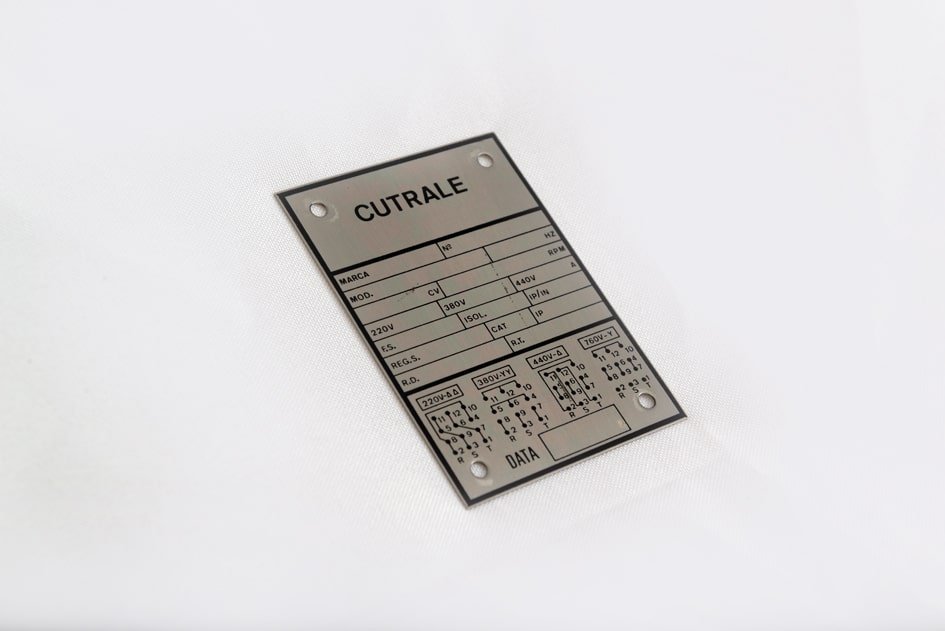
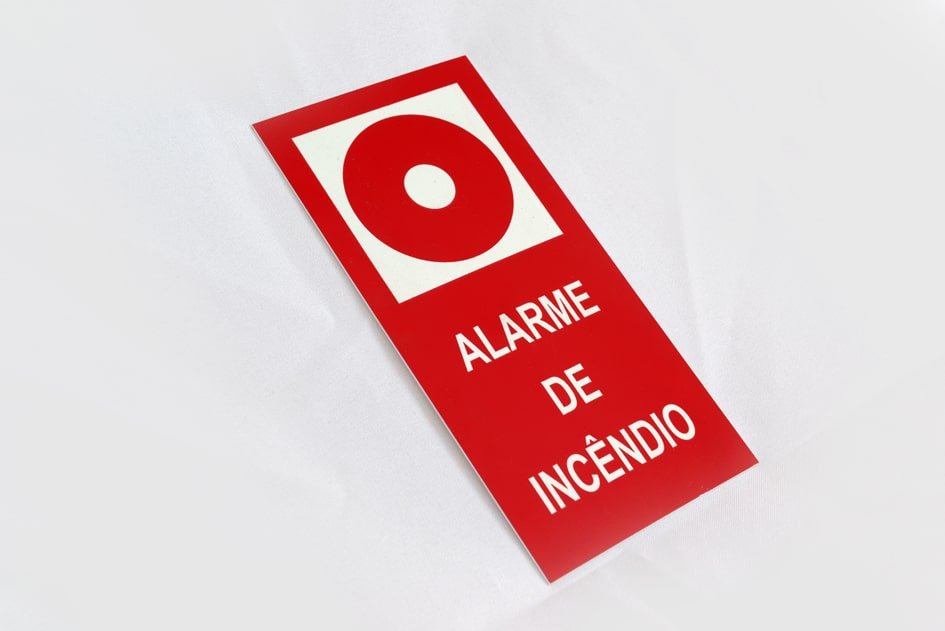
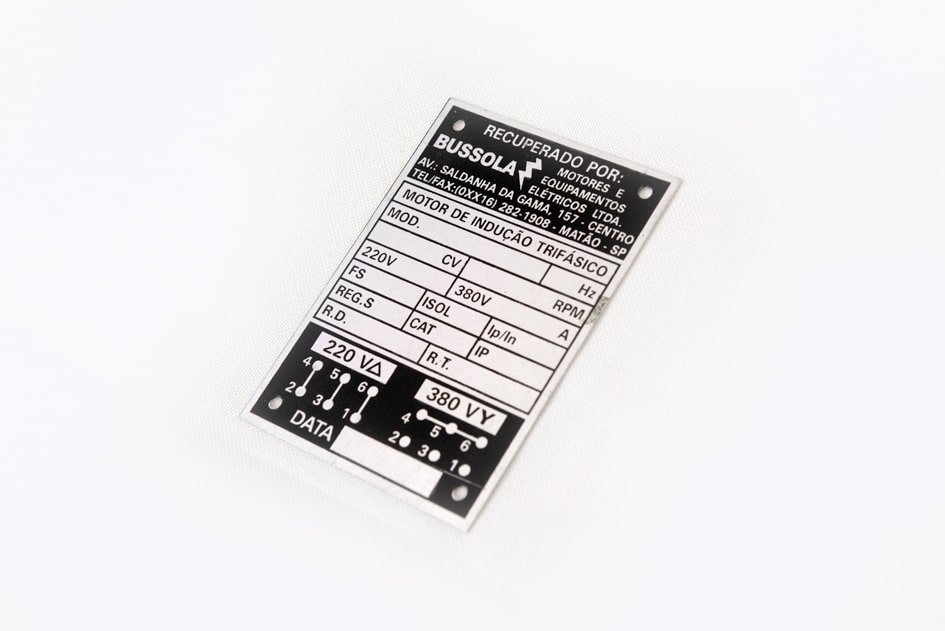
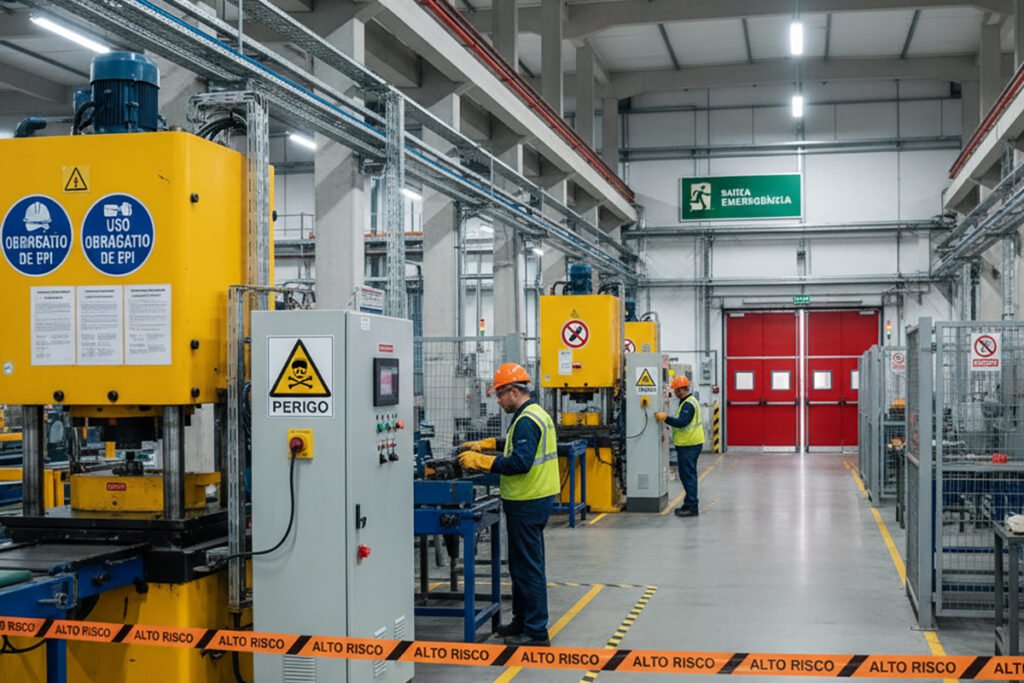
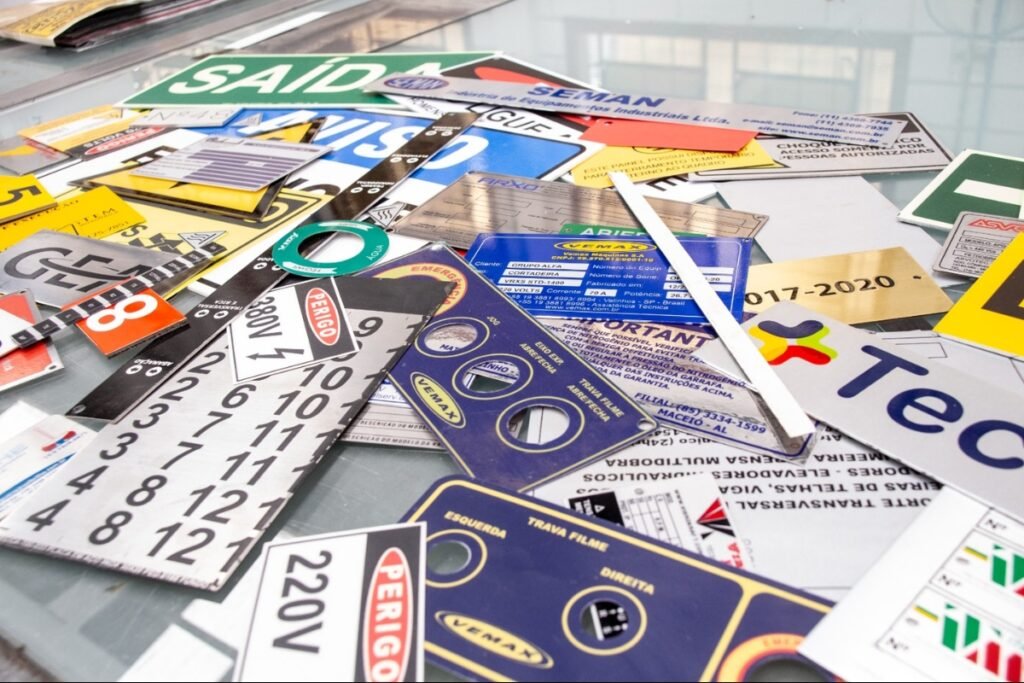
Labels for industrial equipment play a crucial role in the identification, safety, and efficient management of machinery and equipment used in industrial processes and procedures. Here are some examples. labels common components that can be used in industrial equipment:

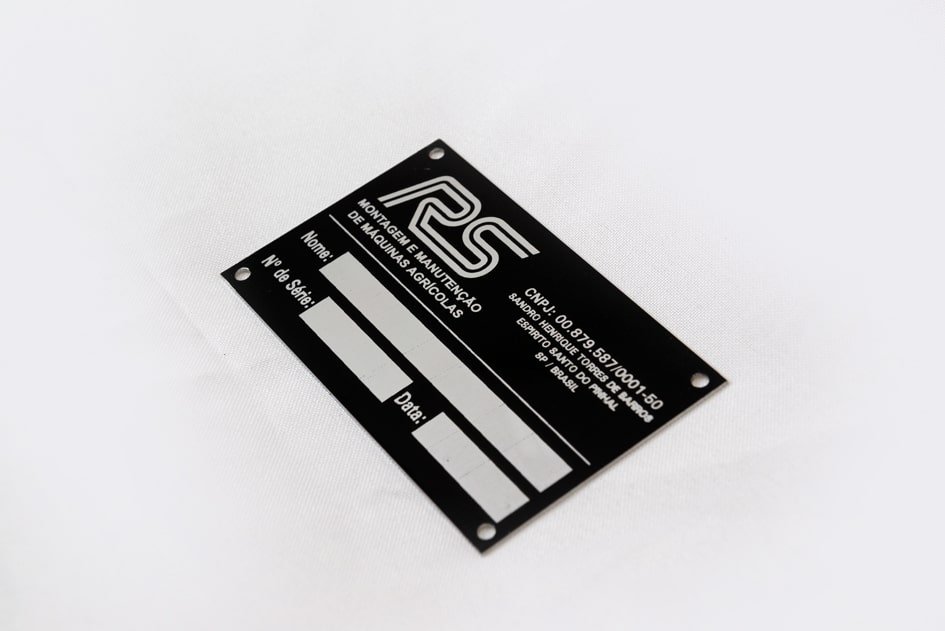
Equipment Identification:

Equipment Name
Serial number
Model
Manufacturer

Security:

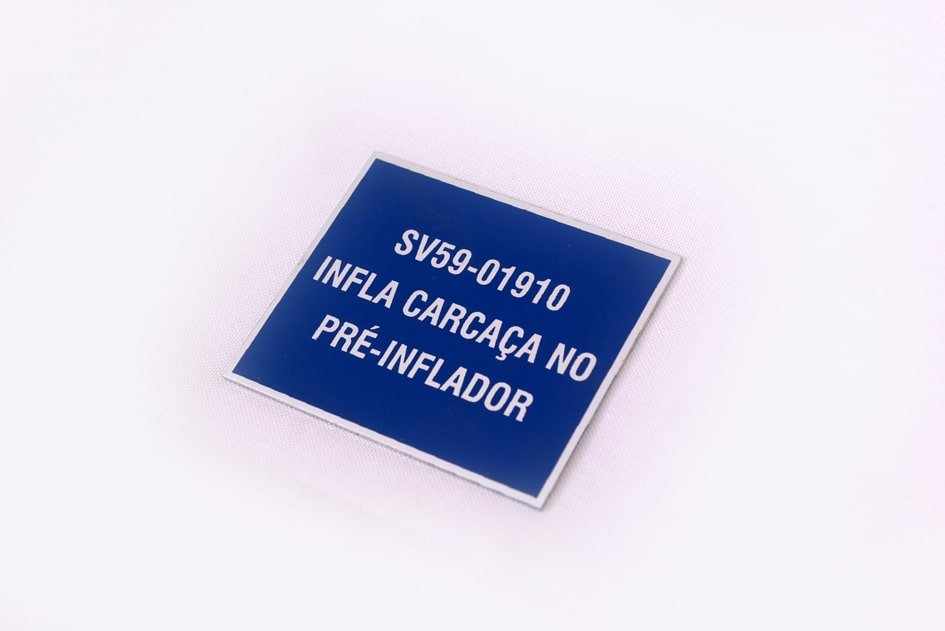
Instructions for Use
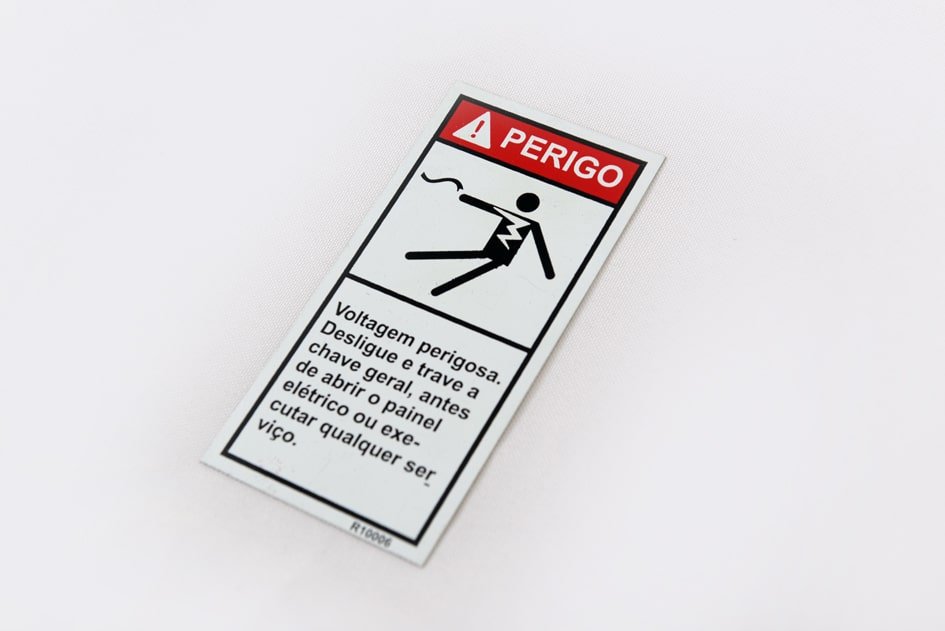
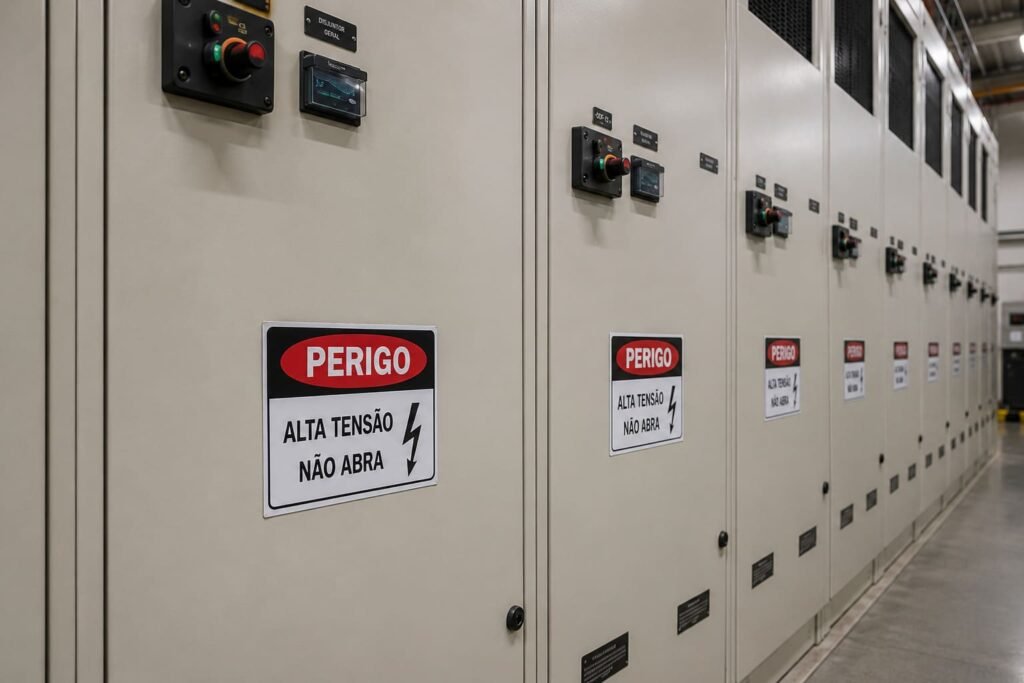
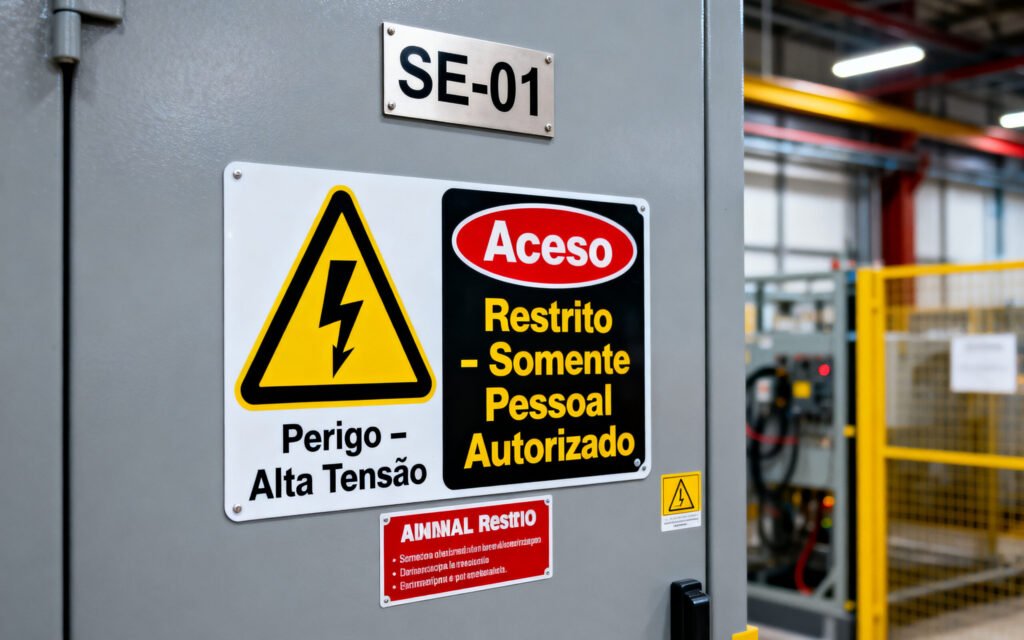
Safety Warnings
Emergency Procedures
Risk Information

Maintenance:

Maintenance Program
Last Maintenance Date
Next Maintenance Date
Maintenance Instructions

Energy and Supply:

Voltage/Electric Current
Fuel Type
Refueling Instructions

Calibration:

Date of Last Calibration
Next Calibration Date
Calibration Instructions

Traceability:

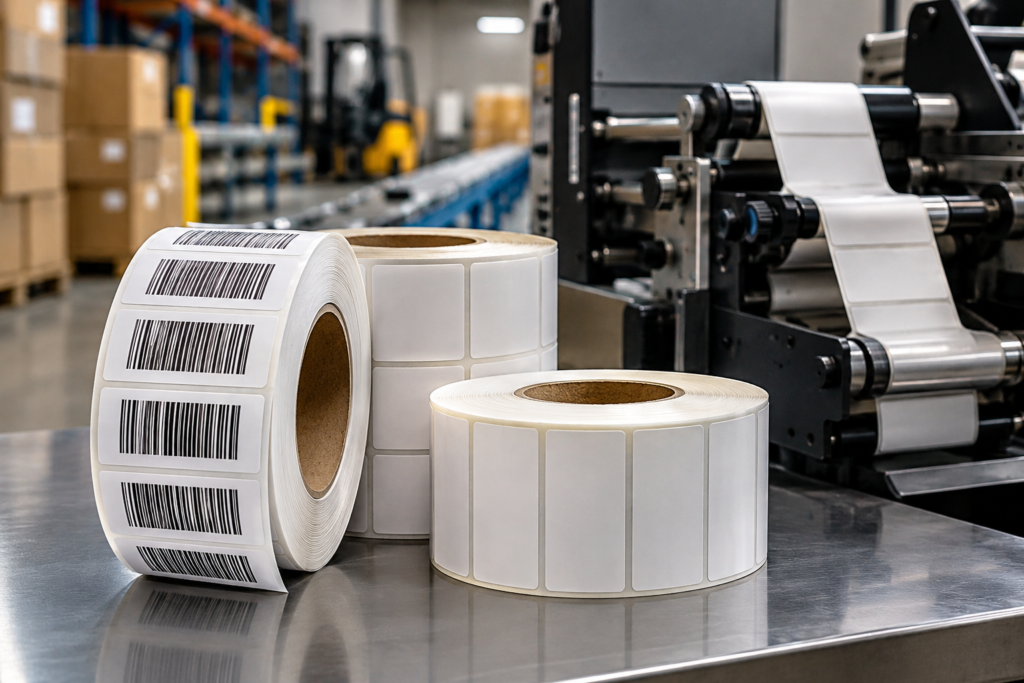
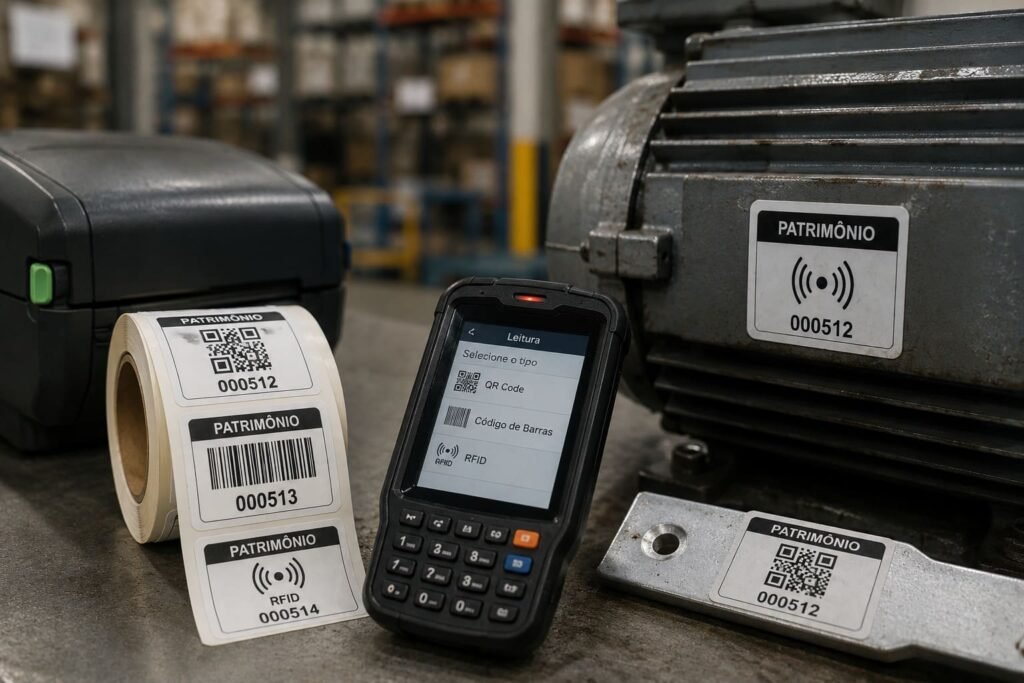
Barcode
RFID (Radio Frequency Identification)
QR Code


Operation:

Operating Instructions
Startup/Shutdown Procedures
Default Settings

Certifications and Compliance:

Security Certifications
Compliance with Industrial Standards
Regulatory Information

Environmental Conditions:

Temperature Range
Moisture Tolerance
Environmental Limitations

Accessories and Spare Parts:

List of Accessories
Spare Part Numbers
Contact Information for Orders

Proper Disposal:

Disposal Instructions
Recyclable Materials
Warnings about Hazardous Substances

Emergency Instructions:

Emergency Procedures
Emergency Contact Numbers
Location of First Aid Equipment

Be sure to customize these labels to meet the specific needs of your industry and the equipment in question. Additionally, always follow local and international standards and regulations when creating them. labels for industrial equipment.

Types of materials for labels for industrial equipment

When choosing materials for industrial equipment labels, it is important to consider factors such as durability and resistance to harsh conditions., readability and compliance with regulations. Here are some types of materials commonly used for industrial labels:

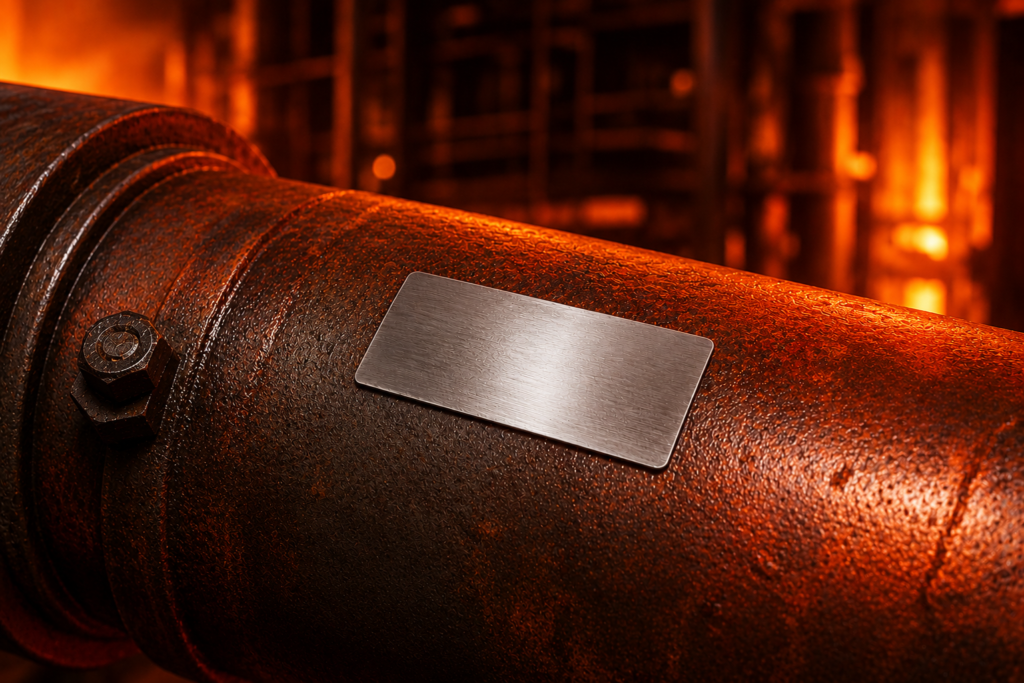
Stainless steel:

Advantages: Extremely durable, corrosion resistant.
Applications: Labels for harsh environments, exposure to chemicals.

Anodized Aluminum:

Advantages: Lightweight, corrosion-resistant, durable.
Applications: Labels for outdoor environments, resistant to sun and water exposure.

Metallic Polyester:

Advantages: Resistant to chemicals, durable.
Applications: Labels for identifying equipment exposed to chemical substances.

Adhesive Vinyl:

Advantages: Flexible, water resistant.
Applications: Labels for indoor environments, identification of mobile equipment.

High-Density Polyethylene (HDPE):

Advantages: Resistant to chemicals, durable.
Applications: Labels for harsh industrial environments.

Self-adhesive polyester:

Advantages: Tear resistant, chemical resistant.
Applications: Labels for equipment that may be exposed to abrasion.

Nylon:

Advantages: Resistant, durable.
Applications: Labels for demanding industrial environments.

Polypropylene:

Advantages: Lightweight, moisture resistant.
Applications: Labels for equipment in humid environments.

Reflective Vinyl:

Advantages: High visibility, reflects light.
Applications: Labels for equipment visible in low light conditions.

Aluminum foil:

Advantages: Economical, suitable for temporary labels.
Applications: Labels for temporary identification.

Ceramics:

Advantages: Extremely resistant to high temperatures.
Applications: Labels for equipment exposed to intense heat.
Be sure to choose the material based on the environmental conditions and specific requirements of your industrial environment. It is always advisable to check local regulations to ensure that the labels comply with industry safety and identification standards.

Synthetic Paper:

Features: Water, tear and wear resistant. Can be used in wet conditions.

Applications: Product identification labels, care labels, and instructions.

Coated paper:

Features: Paper coated with a glossy layer for better print quality.

Applications: Product identification labels, energy efficiency labels.

Polyester Film (PET):

Features: Durable, tear-resistant, waterproof.

Applications: Warranty labels, security labels.

Vinyl:

Features: Flexible, water-resistant, durable.

Applications: Product identification labels, care labels.

Polypropylene (PP) film:

Features: Lightweight, tear-resistant, durable.

Applications: Energy efficiency labels, control and instruction labels.

High Density Polyethylene (HDPE):

Features: Water resistant, durable, suitable for outdoor environments.

Applications: Product identification labels, recycling labels.

Metallized (Paper or Film):

Features: Metallic surface for aesthetic effect and durability.

Applications: Highlight labels, brand labels.

Heat-shrinkable material:

Features: Contracts when heated, suitable for packaging applications.

Applications: Packaging labels, identification labels.

Kraft paper:

Characteristics: Resistant paper, natural appearance.

Applications: Identification labels, care labels.

Fluorescent Paper:

Features: Vibrant colors for emphasis.

Applications: Highlight labels, instructions for use.

Specific Stickers for Outdoor Environments:

Features: Resistant to harsh weather conditions.

Applications: Labels for products installed outdoors.