The importance of signage for the identification and handling of chemical products.
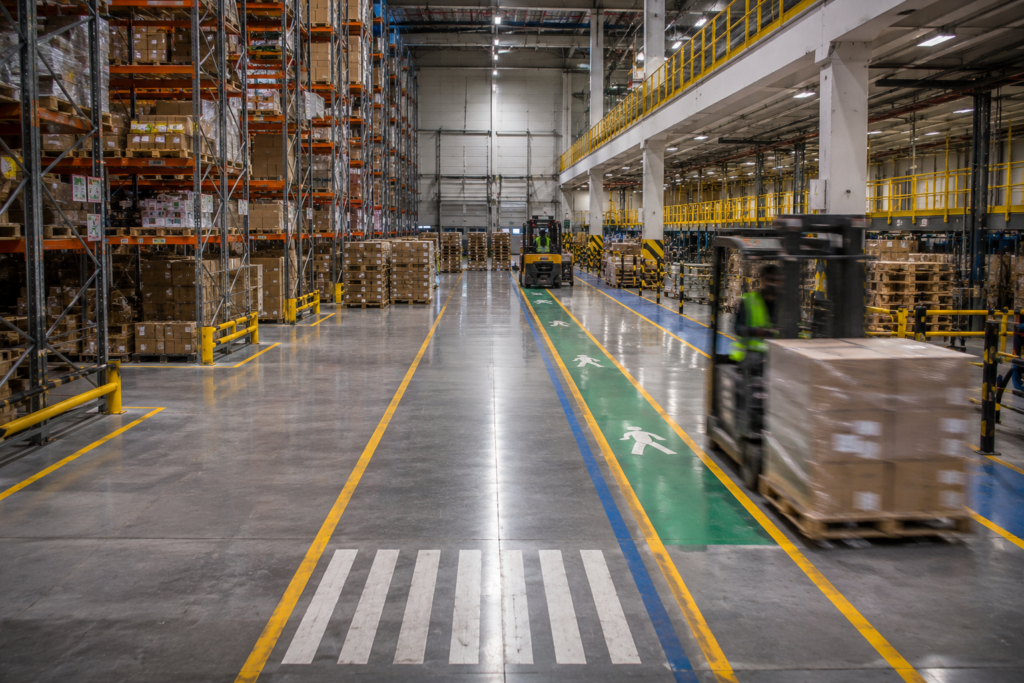
Accident prevention is the essence of the projects of signaling. However, the most sensitive segment is related to chemical products.
This sector represents a unique chapter in the world of signage, directly impacting the health of workers and the general public.
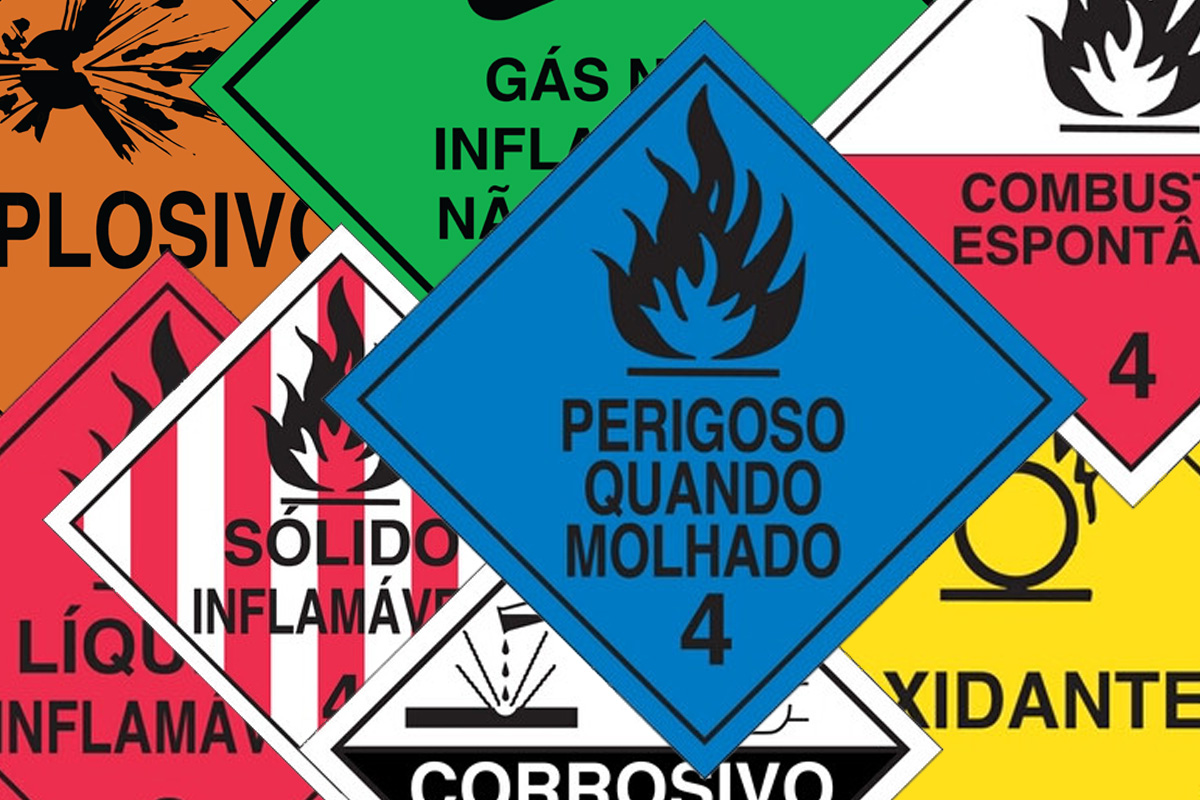
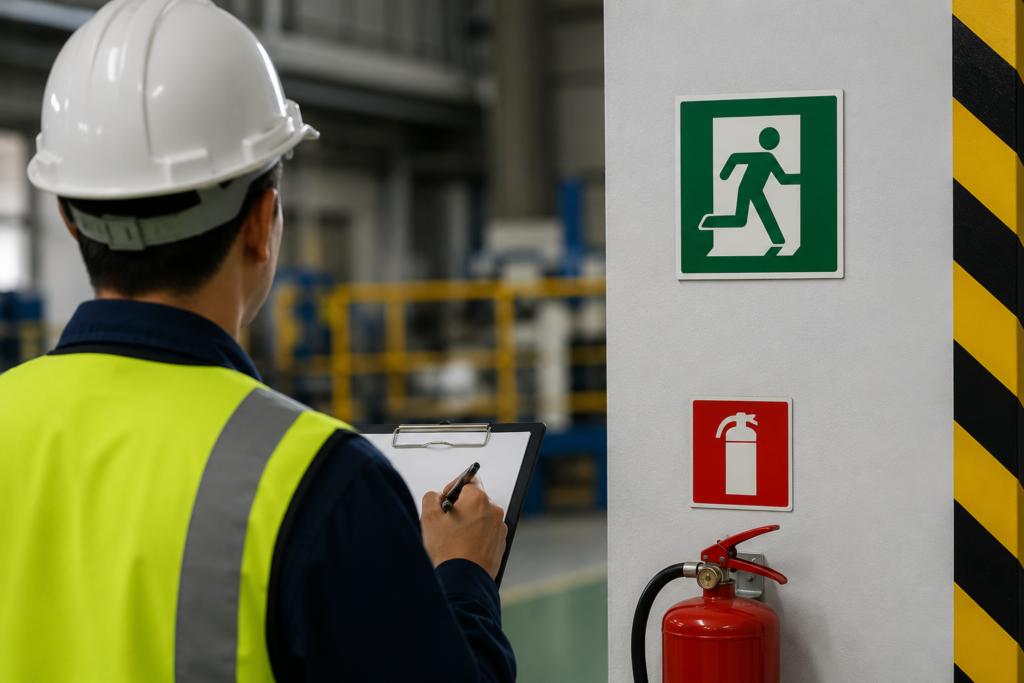
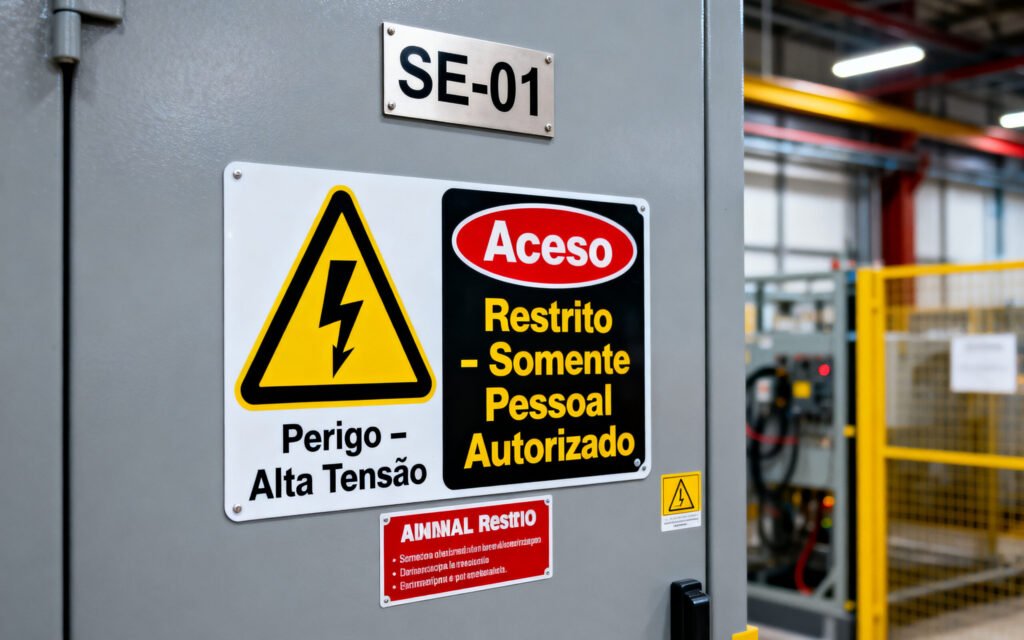
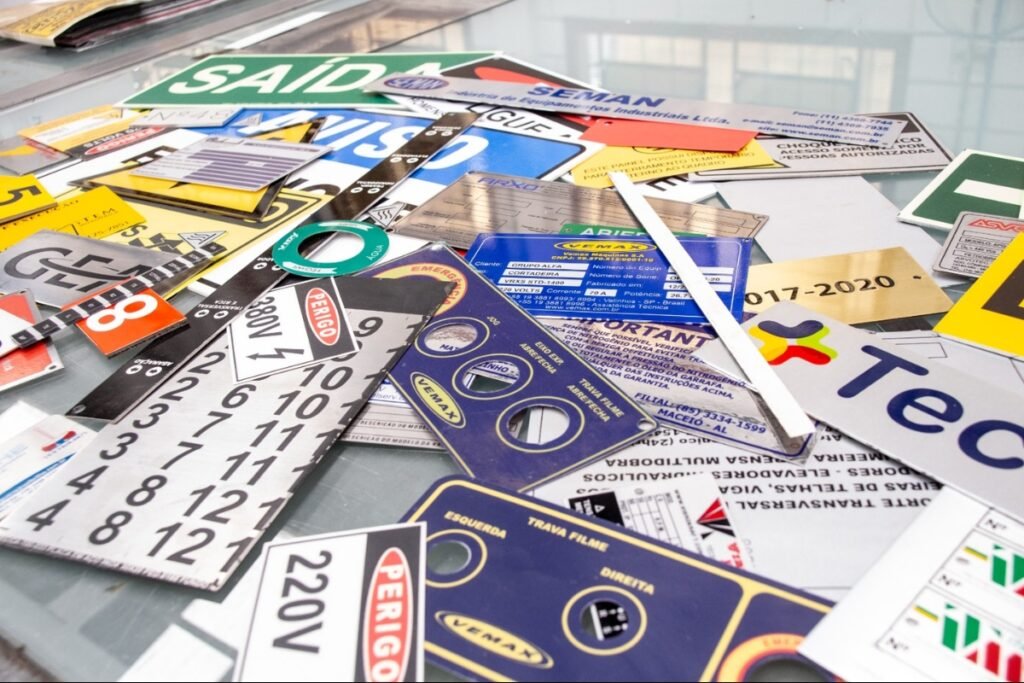
The projects should also address the proper handling of these substances. Hazard identification provides essential information about each type of hazard, always associating it with a specific substance. Signage uses symbols, warning words, color codes, and other visual cues to alert about each specific hazard.
To exemplify, the signsThey indicate flammability, corrosiveness, toxicity, among other factors. This information allows workers and others involved in handling chemicals to be aware of how to proceed, including how to help avoid hazardous exposures.
With regard to accident prevention, the signaling Proper chemical product labeling provides clear warnings and instructions.
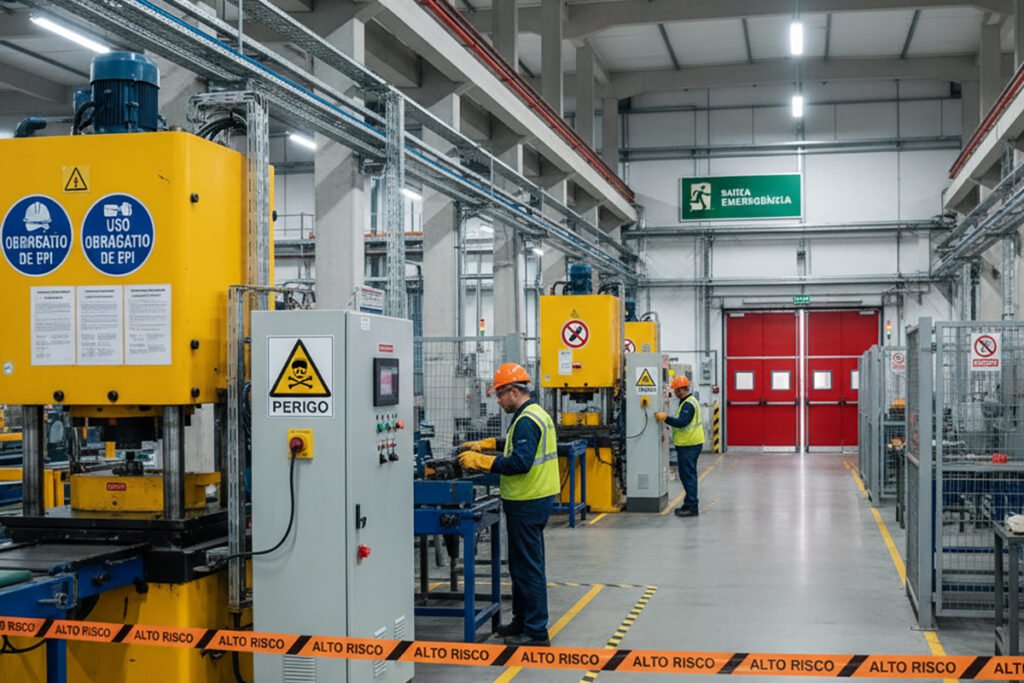
Everything is planned to prevent incidents involving spills, explosions, fires, or chemical exposures. Through the signaling, Workers can adopt appropriate safety measures, such as the use of personal protective equipment (PPE), proper handling and storage of chemicals, among others.
Regarding the handling instructions, the safety signage The chemical product information sheet includes details on emergency procedures and what measures should be taken in case of spillage or exposure, as well as specific instructions for the correct storage of the chemicals.
NR-26 Standard
Best practices in chemical product management follow Regulatory Standard 26 (NR-26). Safety & Industrial Signage:.All necessary safety equipment is specified. Application areas must be delineated to identify pipelines used for conveying liquids and gases.;
Warnings about risks must comply with official technical standards. Currently, professionals in the field should consider ABNT NBR 6493:2019, which establishes the use of colors for identifying industrial pipelines, and ABNT NBR 7195:2018, which establishes colors for safety. It is important to understand the spirit of the standard. According to NR-26, the use of colors should be kept to a minimum to avoid distraction, confusion, and fatigue for the worker.
Regarding precautionary labeling, chemical products comply with NR-26. This standard specifies the classifications of precautionary labeling and the safety data sheet for chemical products (SDS).
How should labeling be done according to NR-26?
This standard aims to prevent explosions, fires, and spills. There are also dangers of burns and poisoning. Environmental health is also considered so that products are disposed of correctly, without posing risks.
Therefore, the safety signage for chemical products This becomes essential, and starting from item 26.2, NR-26 establishes the labeling and safety information for these products.
GHS
The Globally Harmonized System of Classification and Labelling of Chemicals (GHS), of the United Nations, defines the criteria for the precautionary labelling of chemical products classified as hazardous to the safety and health of workers.
This refers to the Globally Harmonized System, a logical and comprehensive approach that involves defining the hazards of chemicals;
The communication of hazard information on labels and SDSs (Safety Data Sheets) refers to the Safety Data Sheets for Chemical Products. In this sense, the GHS (Globally Harmonized System of Classification and Labelling of Chemicals) presents a mechanism for deciding whether a product is hazardous or not, aiming to meet the greatest number of international recommendations on the subject.
In Brazil, the GHS became mandatory with the publication of NR-26 in 2011. With the publication of the ABNT NBR 14725:2009 series of standards, parts 1, 2, 3 and 4, products must be classified, labeled and provided with SDS (Safety Data Sheets), ensuring the safety signage of chemical products.
Cooperarts Communication Policy
Our role as a supplier is always to address this content to keep our clients up-to-date on all regulations and risks associated with chemical products in the workplace. The legislation and penalties are quite severe.