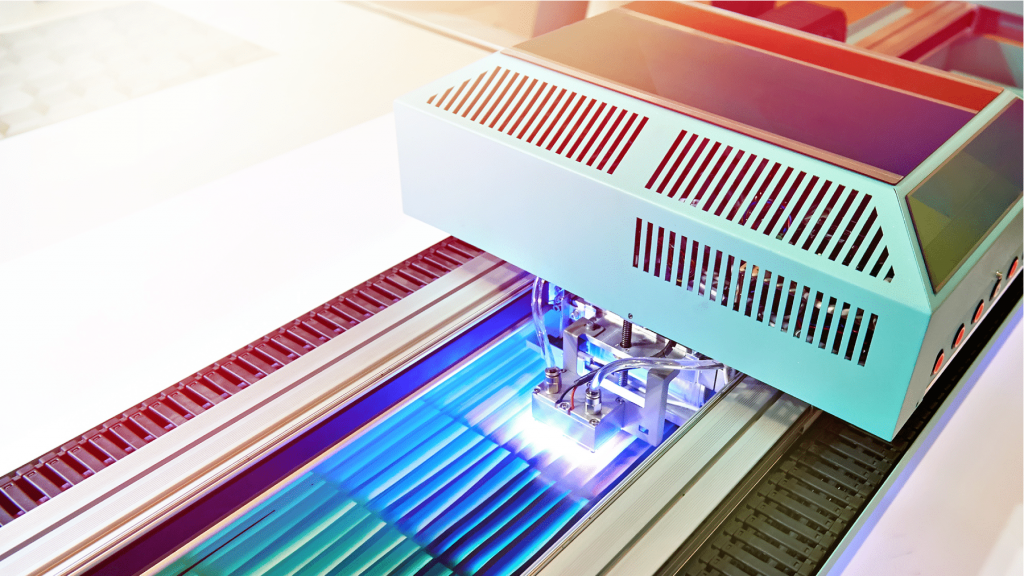
This is a frequently asked question. Well, the great advantage is that this technology... UV printing It allows working with various materials and substrates, providing high productivity.
But beyond productivity, quality stands out, especially in the details, achieving color clarity.
The acronym UV stands for "ultra violet." It refers to a printing method that uses ultraviolet light curing technology to quickly dry or cure the ink or coating applied to the substrate.
This process differs from traditional printing technologies, which rely on solvent evaporation or liquid absorption by the paper.
In UV printing, the ink is exposed to ultraviolet light immediately after application, causing it to dry instantly. This offers some significant advantages compared to conventional methods.
The main advantage of instant drying provided by UV printing is the time saved and the improved quality.
With faster production, instant drying allows printed materials to be handled immediately after printing, eliminating the need to wait for the drying process.
This speeds up the production workflow and allows for faster delivery of... projects.


UV Printing Equipment in Cooperars' Production
Since there is no drying time, the printing equipment can operate continuously and uninterruptedly, increasing production efficiency and productivity.
In other words, instant drying eliminates the waiting time between printing and finishing stages, resulting in a faster process and reducing the total production time.
Another very important detail is that instant drying prevents problems with premature handling, stains, or damage caused by wet ink, reducing the likelihood of production errors.
Because the ink dries instantly, there is no absorption into the substrate, resulting in sharper images and more vibrant colors.
Obviously, instant drying allows printing on a wide variety of materials, including heat-sensitive substrates that can be damaged by conventional drying methods.
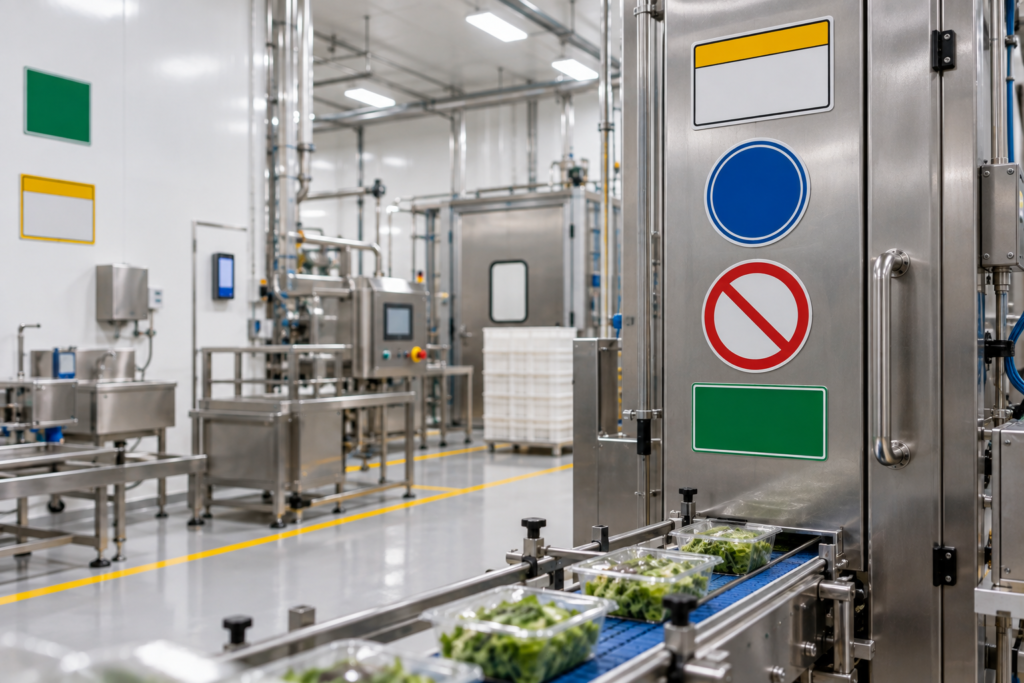
In the production line, Cooperarts requires less space; that is, the elimination of separate drying or curing areas reduces the physical space needed in the production facility.
Support for large formats and different substrates.
Another advantage of instant drying is that it facilitates the application of varnishes, special coatings, and textured effects, allowing for greater creativity in printed designs.
Although initial costs may be higher due to UV technology, the time savings, production efficiency, and improved quality can result in lower operating costs in the long run.
That's the key difference: customer satisfaction. The ability to deliver high-quality printed products quickly is the reason for greater customer satisfaction and the acquisition of new business.
UV ink is denser and results in more vibrant and crisp colors compared to conventional ink.
Because the ink quality is not absorbed by the substrate, this can result in sharper and more detailed images.
Tech enthusiasts want to understand the process in more depth. So let's go:
UV printing eliminates the need for volatile organic solvents (VOCs) used in many conventional inks, making the process more environmentally friendly.
In summary, UV curing makes the ink more resistant to scratches, fading, and chemicals.
Therefore, these characteristics allow UV printing to also have special varnishes and coatings applied to provide finishes such as gloss, matte, textured, and much more.
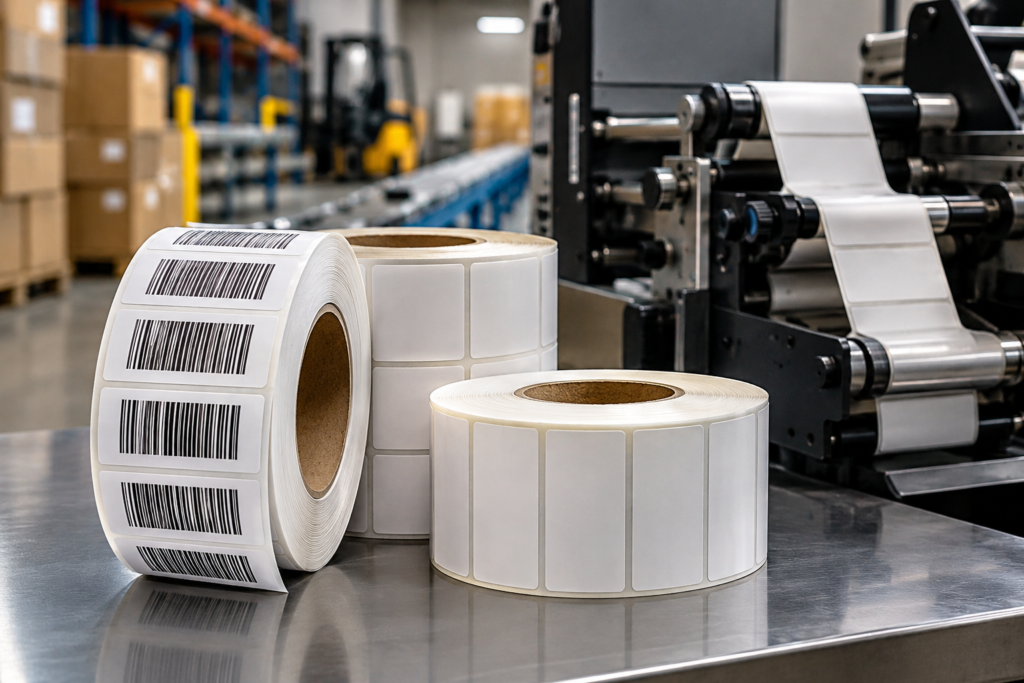
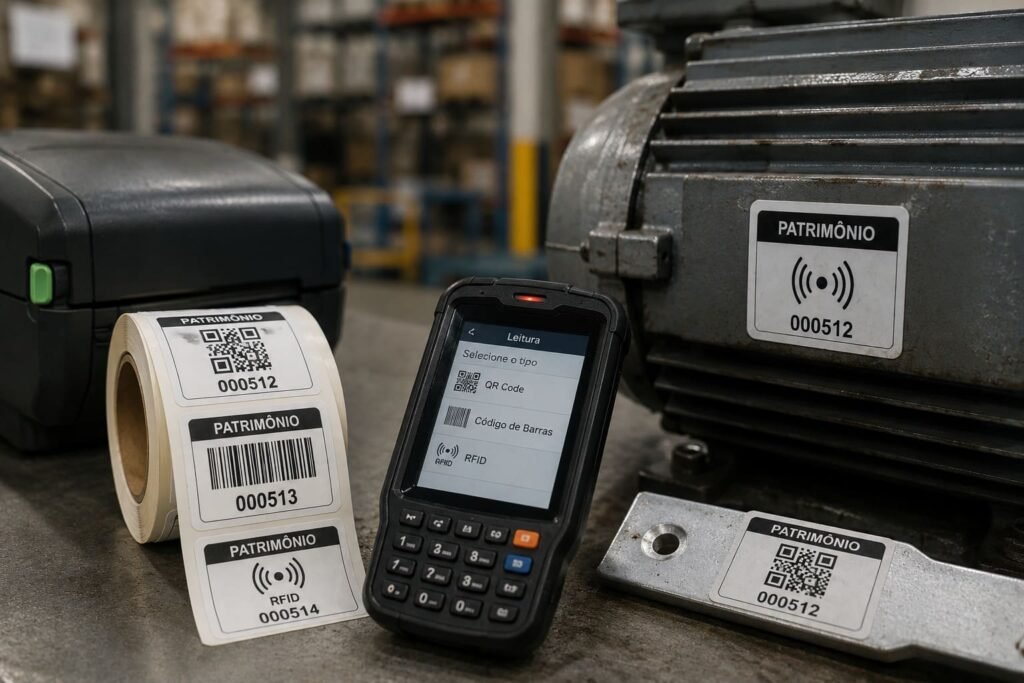
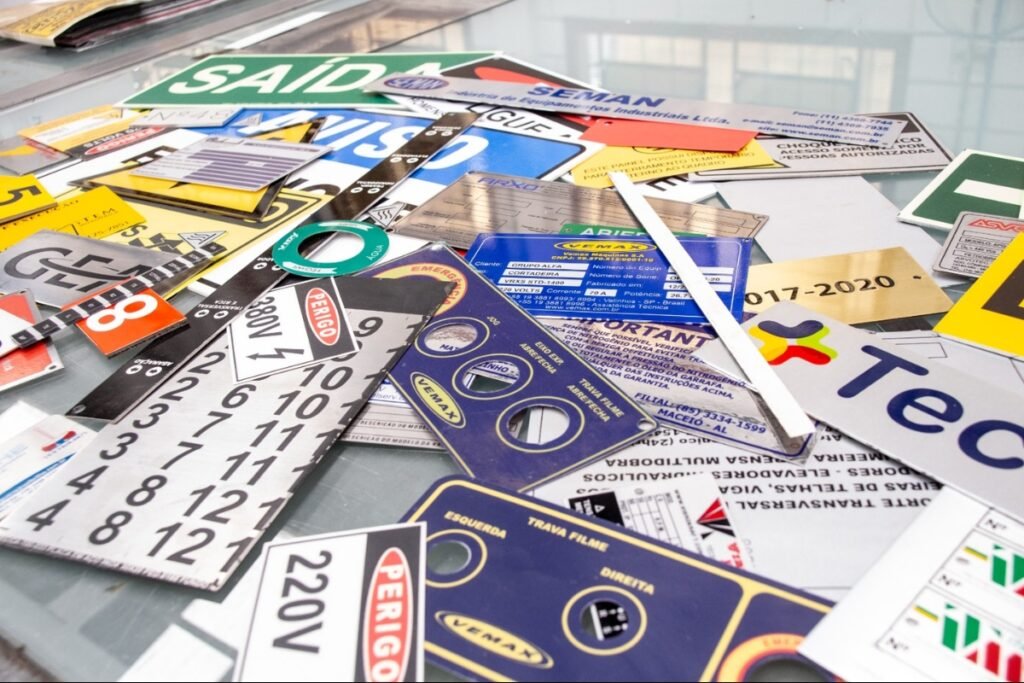
Due to these characteristics, Cooperarts serves clients in advertising, packaging, labels, Interior design, display production, and much more. It's worth investing in technology.
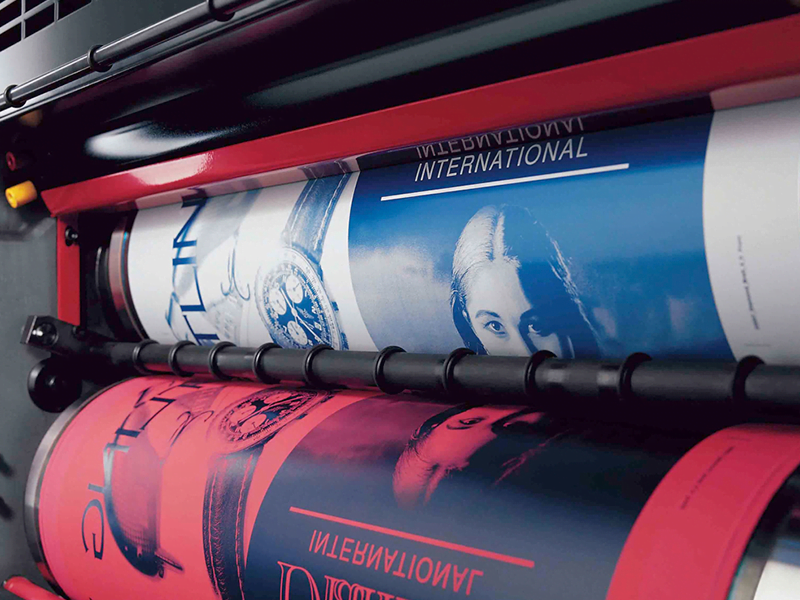
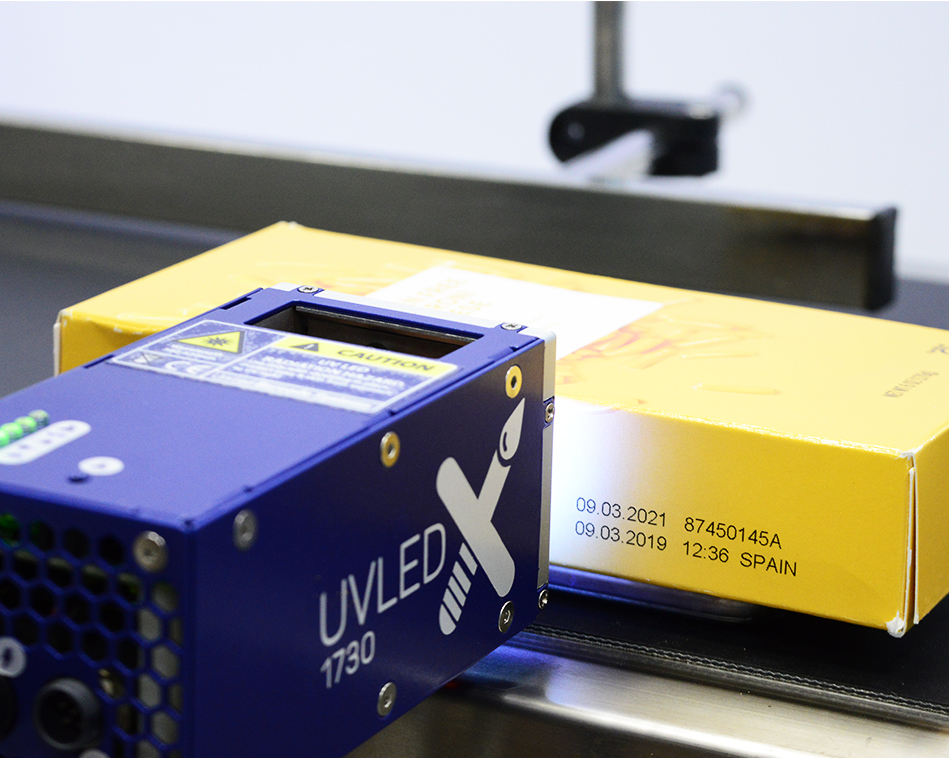
Ultraviolet light accelerates the drying of paints and pigments.
"LED curing" or "UV LED curing" is a process of hardening or curing materials sensitive to ultraviolet (UV) light using light emitted by specific UV light-emitting diodes (LEDs).
This technology is an alternative to traditional UV curing, which uses mercury lamps to emit UV light.
The UV LED curing process is commonly used in industries such as printing, coatings, stickers, paints, electronic products, dentistry, and other areas where fast and efficient curing of materials is essential.
Different UV wavelengths can be emitted by LEDs, allowing the selection of the ideal frequency for curing specific materials.
In general, LEDs consume less energy than the mercury lamps traditionally used in UV curing, resulting in savings in operating costs.
UV technology has a significantly longer lifespan compared to mercury lamps, which reduces maintenance and replacement costs.
With UV printing, it's possible to achieve maximum intensity instantly when switched on, requiring no warm-up or cool-down time.
LED curing also generates less heat than mercury lamps, which is beneficial for heat-sensitive materials.
Therefore, mercury lamps can emit dangerous ozone and ultraviolet rays. UV LEDs are safer in terms of emissions.
The intensity of the UV LED light can be easily adjusted to meet the specific curing needs of the material.
LED technology is more environmentally friendly because it contains no mercury and emits less heat and pollutants, making it suitable for a variety of materials, from paints and coatings to resins and adhesives.
Due to the compact size of LEDs, UV LED curing solutions They can be more flexible. in terms of design and integration into production systems.