Polyester, Polystyrene, Polycarbonate, and PVC: Differences in their use in Labels and Signage.
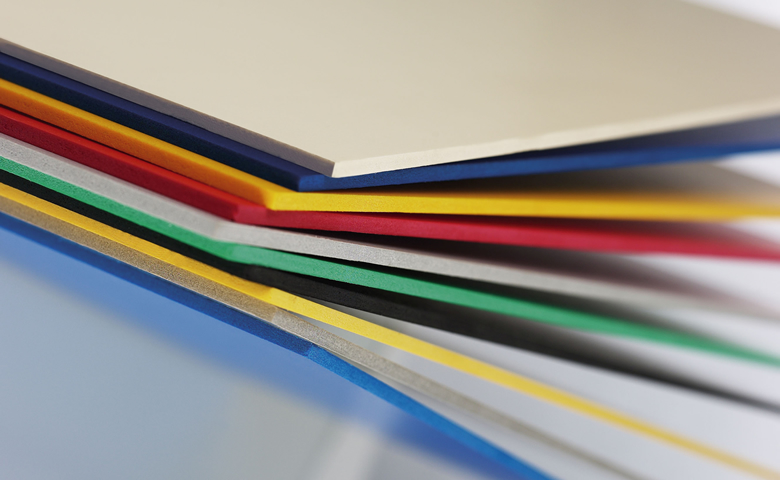
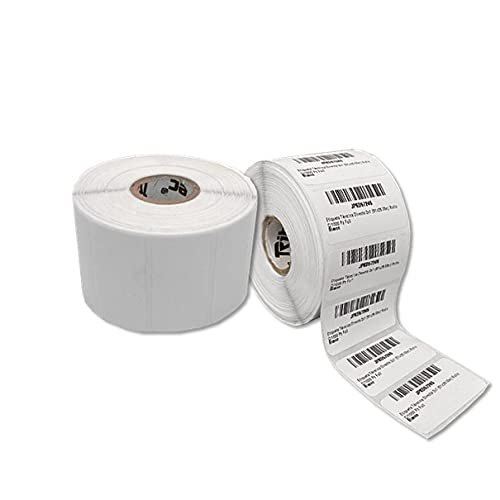
Labels and signage can be manufactured from various materials, each with its own specific characteristics. Generally, they are all plastic materials, each with its own properties and applications. Let's analyze the differences between these types of labels and... signage labels Made from polyester, polystyrene, polycarbonate and PVC:
Polyester:
It is a general term for polymers formed by the polycondensation of acids and alcohols. Polyester is commonly used in textiles, glass fiber reinforced plastics, plastic bottles (PET), and other applications.
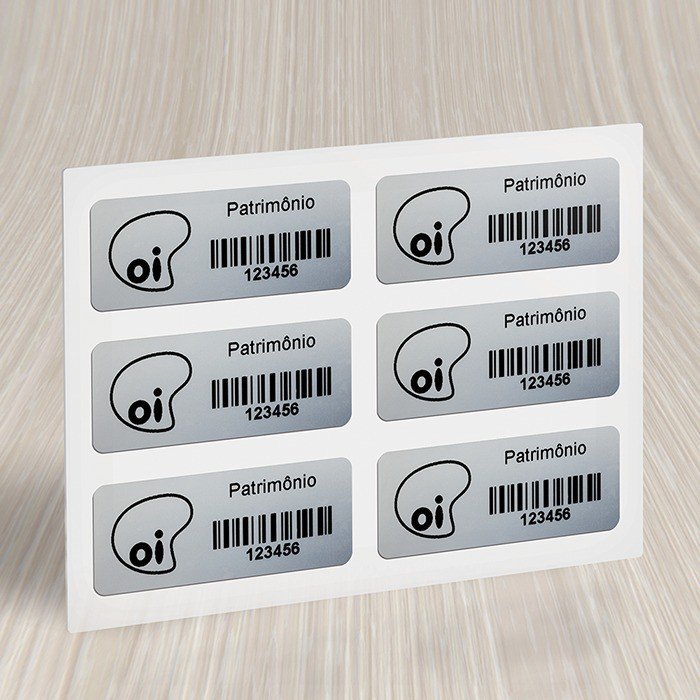
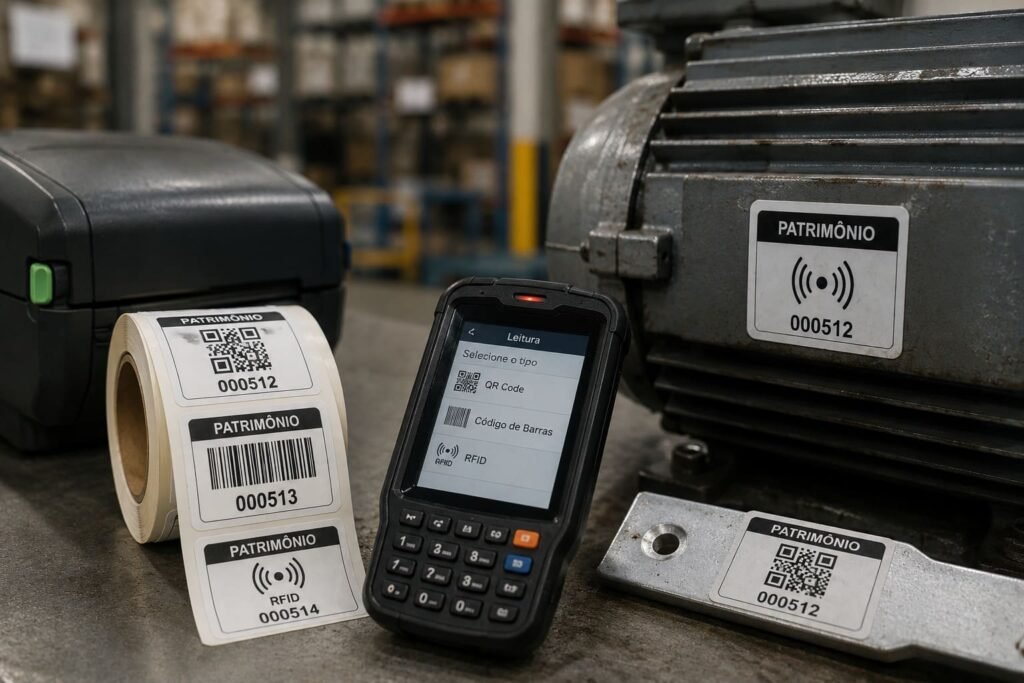
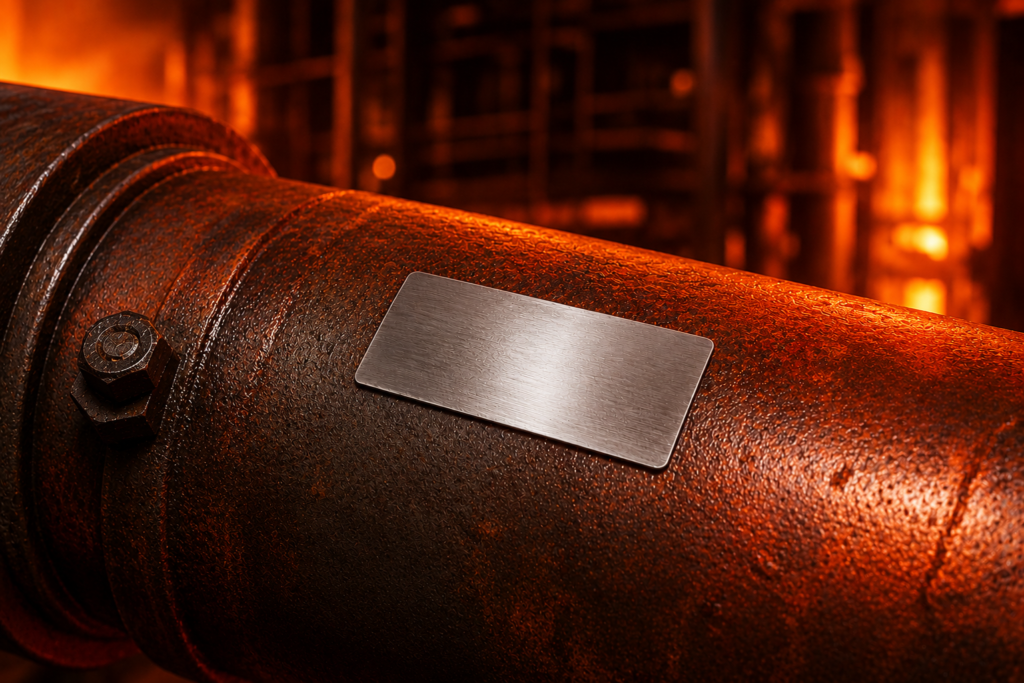
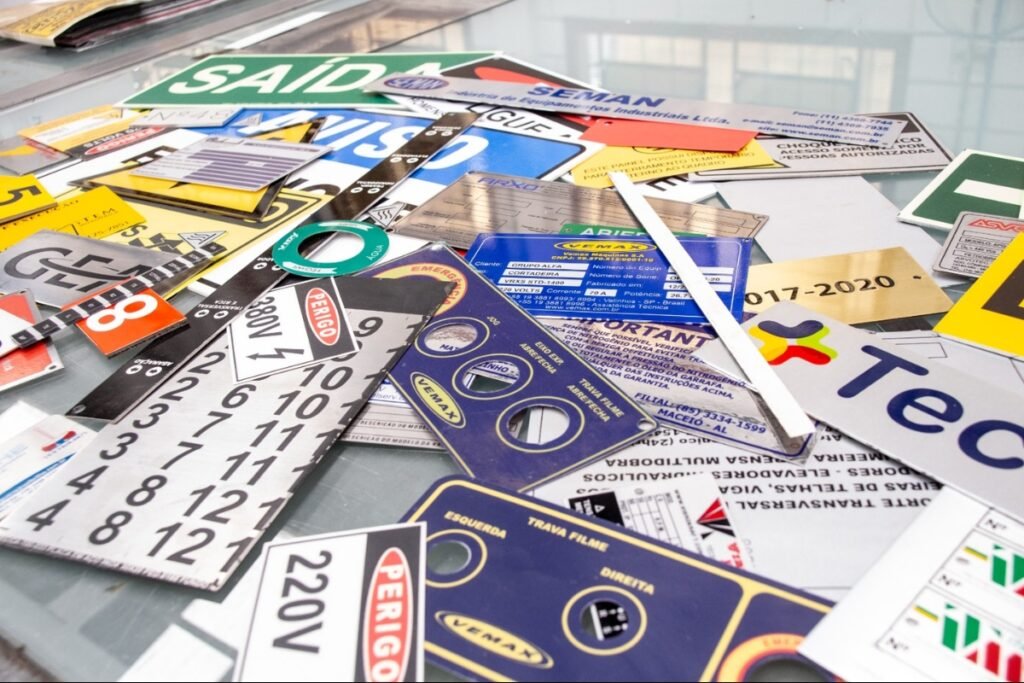
Durability: Polyester is weather-resistant and durable, making it suitable for outdoor use. Cost: Generally, polyester can be a more economical option compared to more advanced materials. Applications: In the segment of signage labels, Polyester can be used in both indoor and outdoor environments, but it may not be as durable as some other materials. Polyester is commonly used for asset tags.
Polystyrene:
It is a polymer derived from styrene. It can be found in various forms, including expanded polystyrene (EPS) used in thermal insulation and crystalline polystyrene (PS), used in disposable products such as cups and plates.
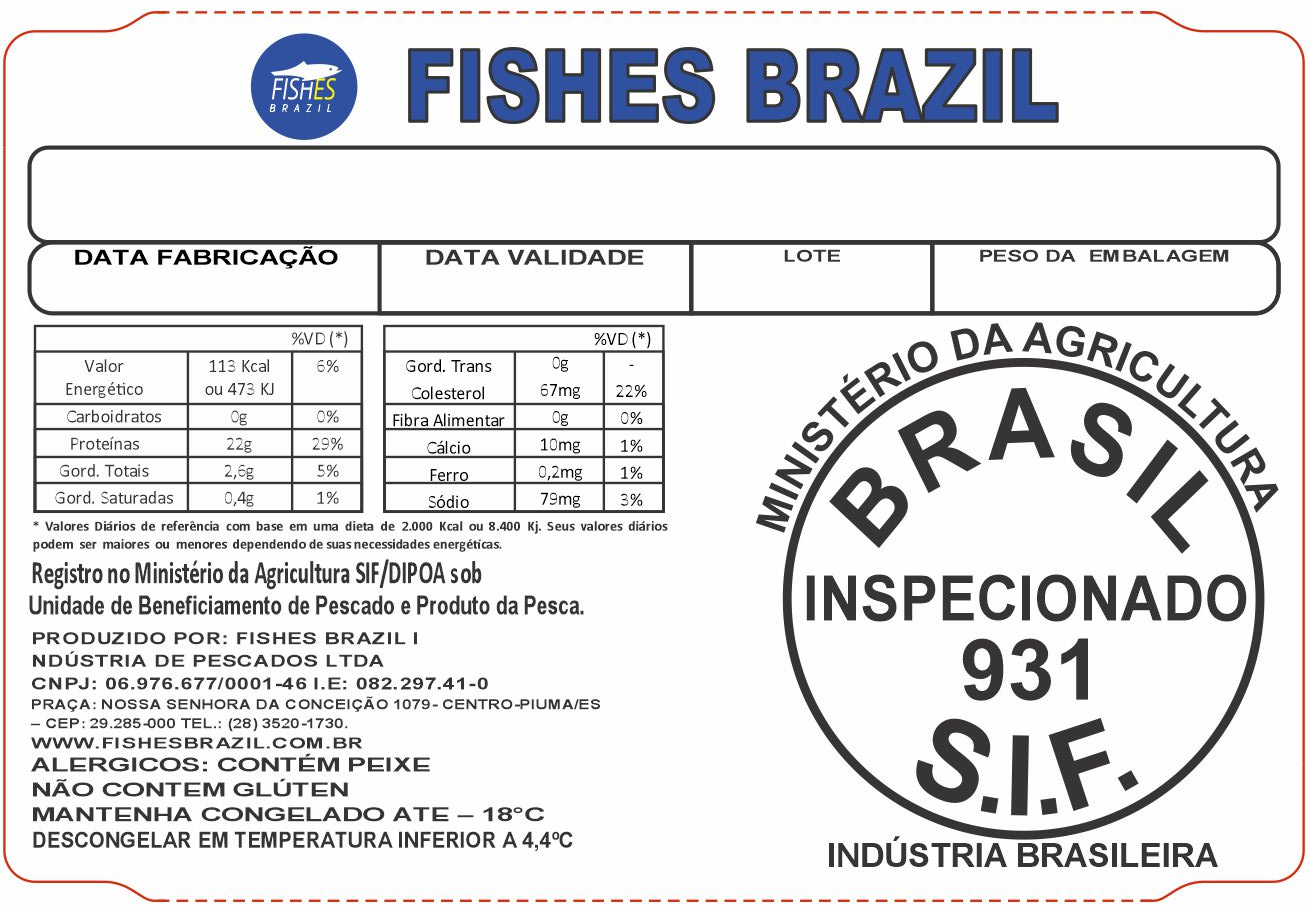
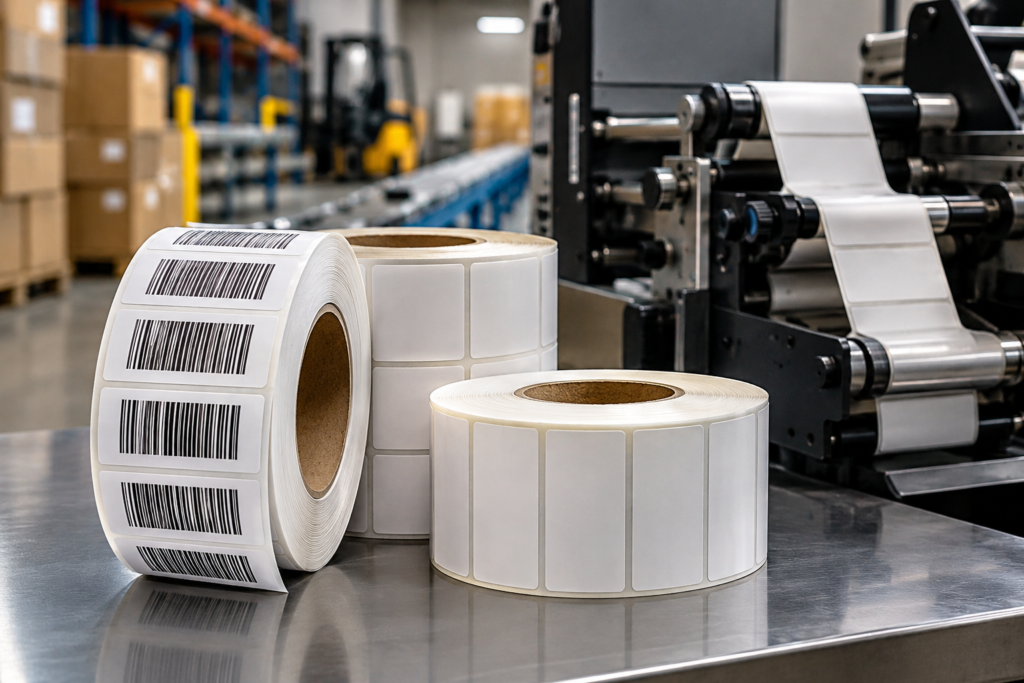
Cost: Polystyrene is often a more affordable option. Lightness: It is a lightweight material, making the handling and installation of the panels easier. Applications: Generally suitable for use as labeling in refrigerated environments, such as packaging labels for meats, dairy products, etc.
Polycarbonate:
It is a thermoplastic polymer known for its high impact resistance and transparency. It is used in applications that require durability, such as safety glass and optical products.
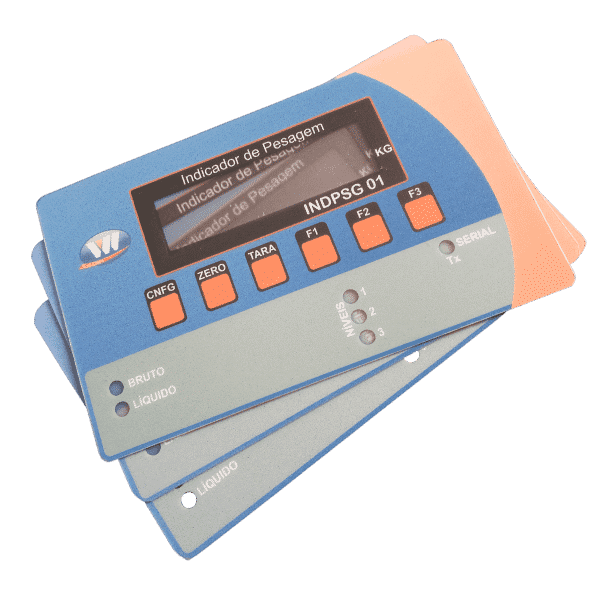
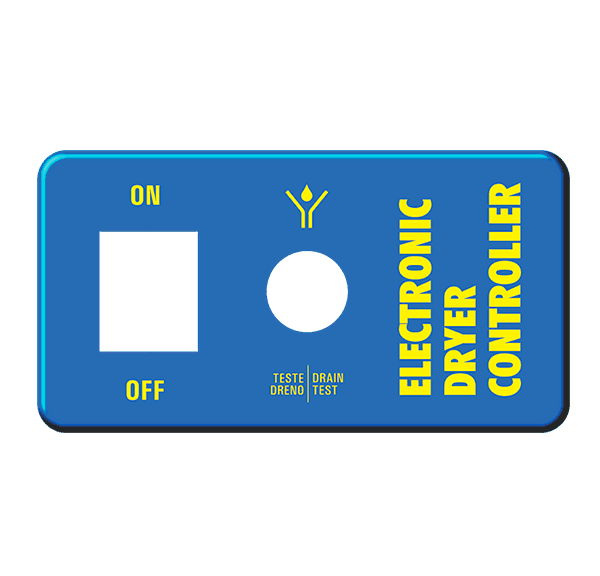
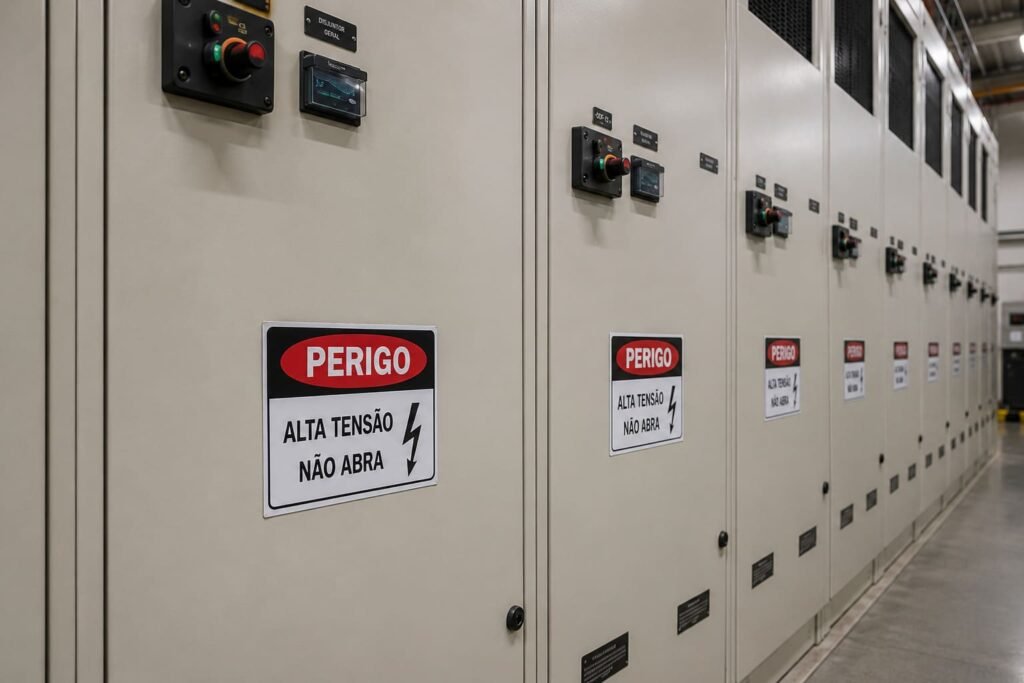
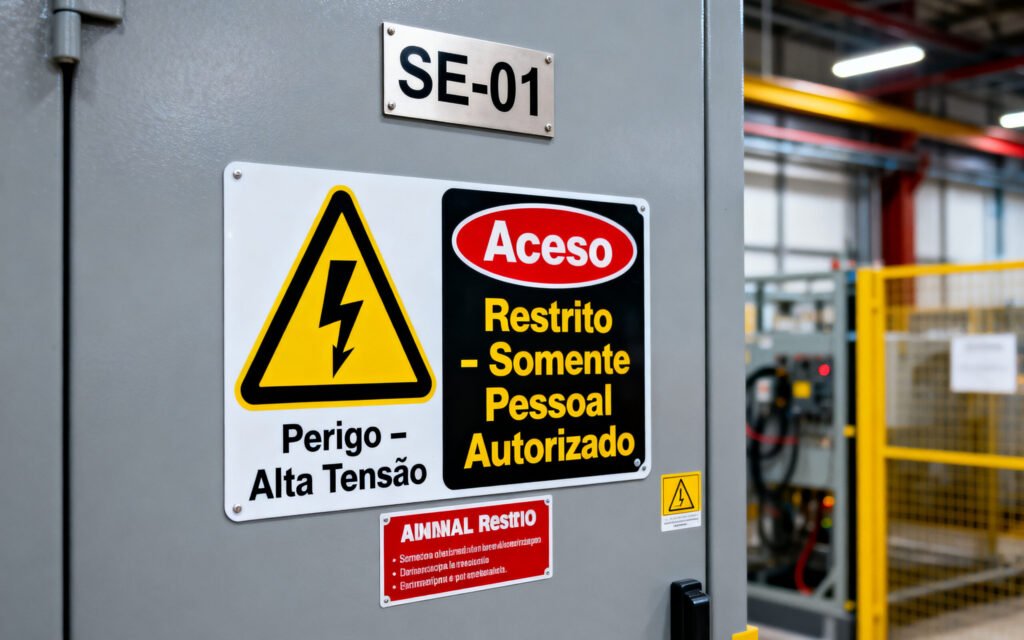
Durability: Polycarbonate is known for its high resistance to impact and breakage. Transparency: It can be transparent, which is useful for signage that requires two-way visibility. Applications: Ideal for signage labels in outdoor environments due to its durability, especially where impact resistance is an important consideration. Polycarbonate is widely used in labels for machine panels and equipment in general.
PVC (Polyvinyl Chloride):
It is a widely used thermoplastic polymer. PVC is known for its versatility and is used in a variety of applications. variety of applications, including pipes, cladding, window and door profiles, among others.
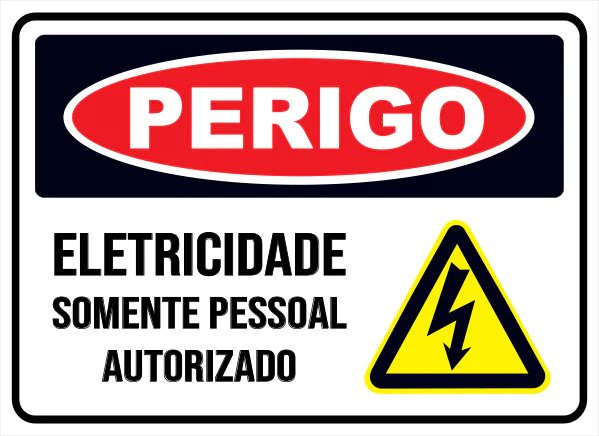
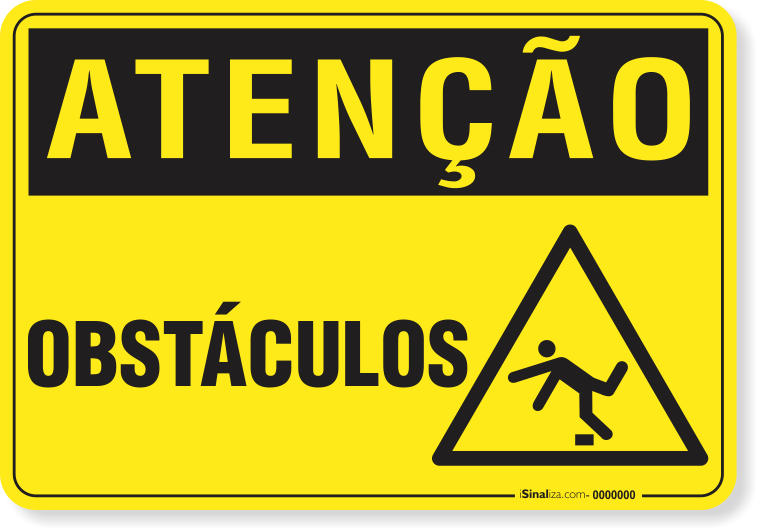
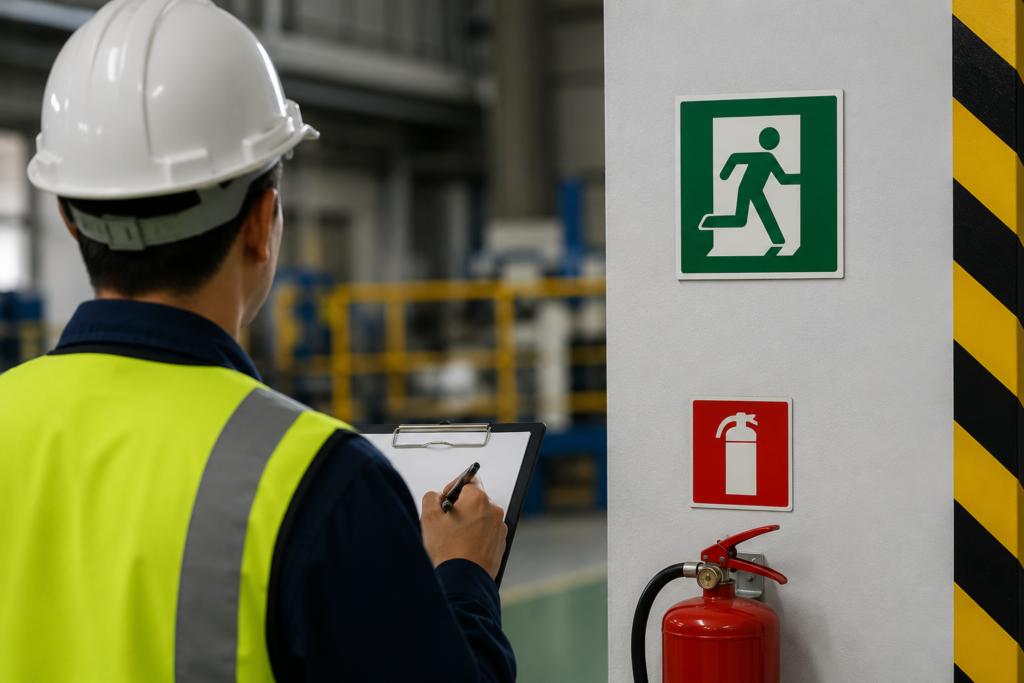
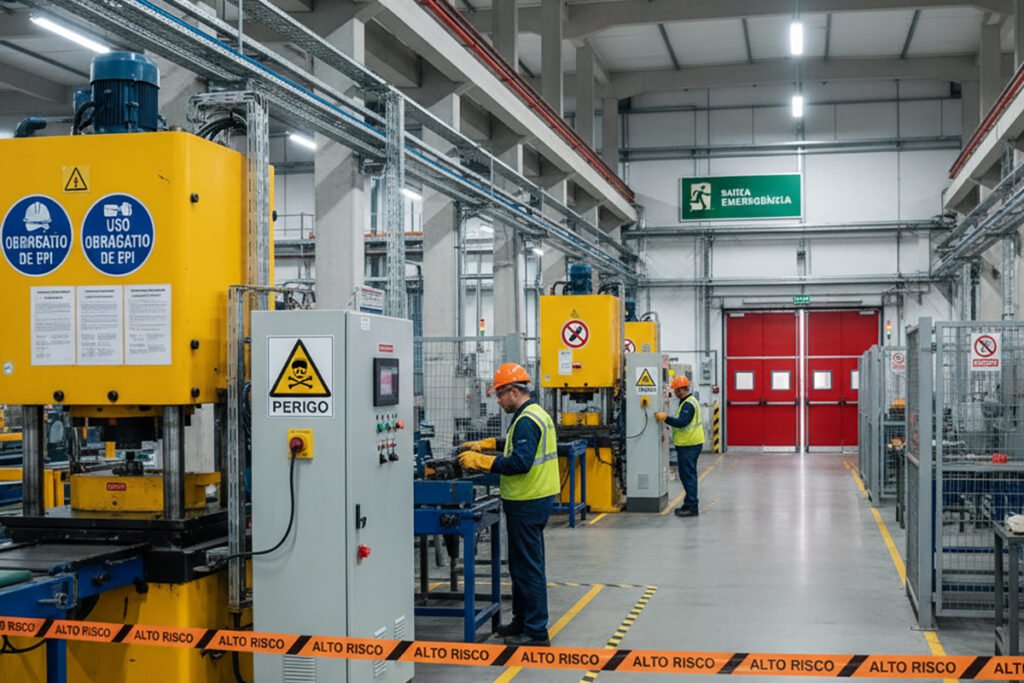
Durability: PVC is resistant to corrosion and most chemicals, making it durable in a variety of environments. Flexibility: It is a flexible material, which can be useful in certain applications. Applications: Suitable for use in indoor and outdoor signage, depending on the specific PVC formulation. Can be used in harsh environments. PVC is widely used in visual communication for signage in general.
In summary, the choice of material for labels and signage It will depend on environmental conditions, specific application requirements, desired durability, and available budget. Each material has its advantages and limitations, and the proper selection must take these factors into account to ensure the effectiveness and longevity of the panels.