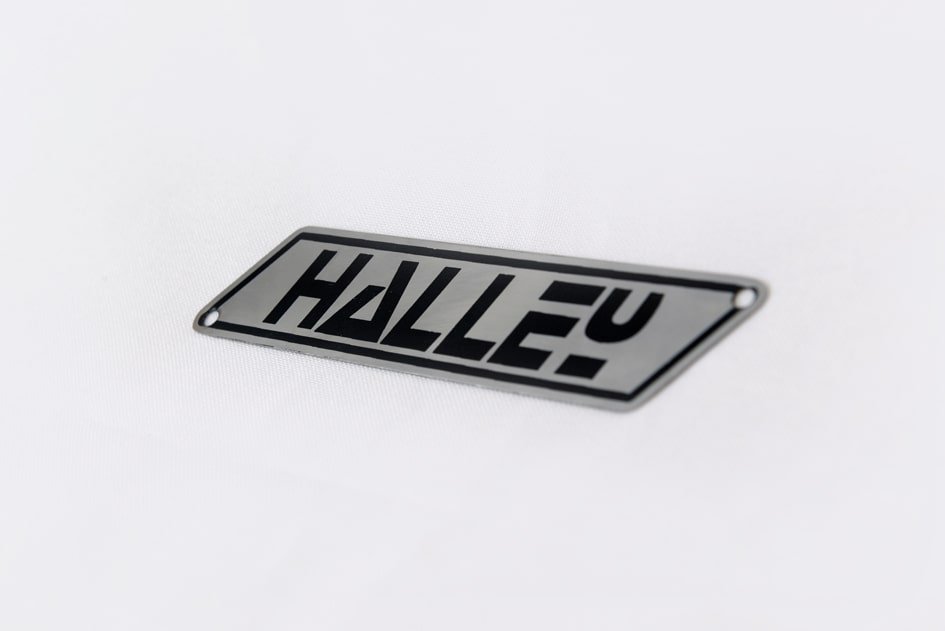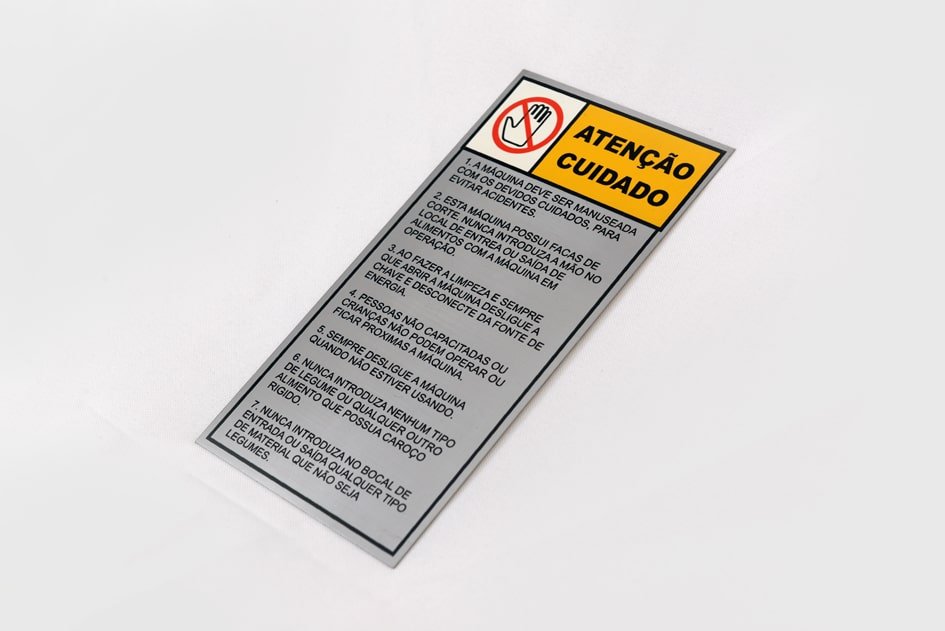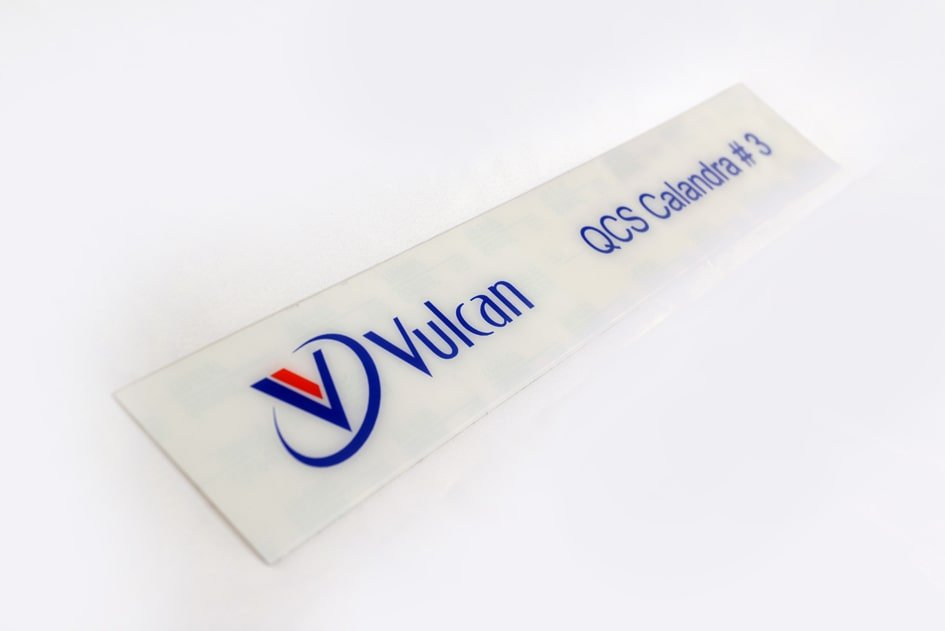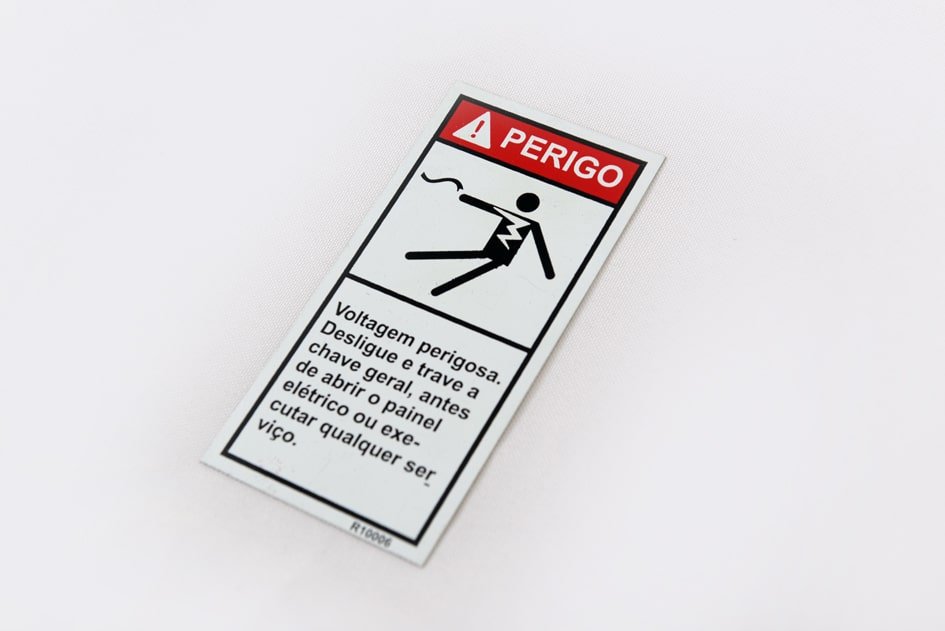






Anyone in the industrial and business sector knows the importance of maintaining... signaling through custom license plates Up to date.
Everything must be properly aligned with the norms and regulations of each segment. This reflects the quality of the services provided.
To the custom license plates They also play an important role in promoting the company's brand, as well as fostering internal communication, facilitating the distribution of additional information about products or machinery.
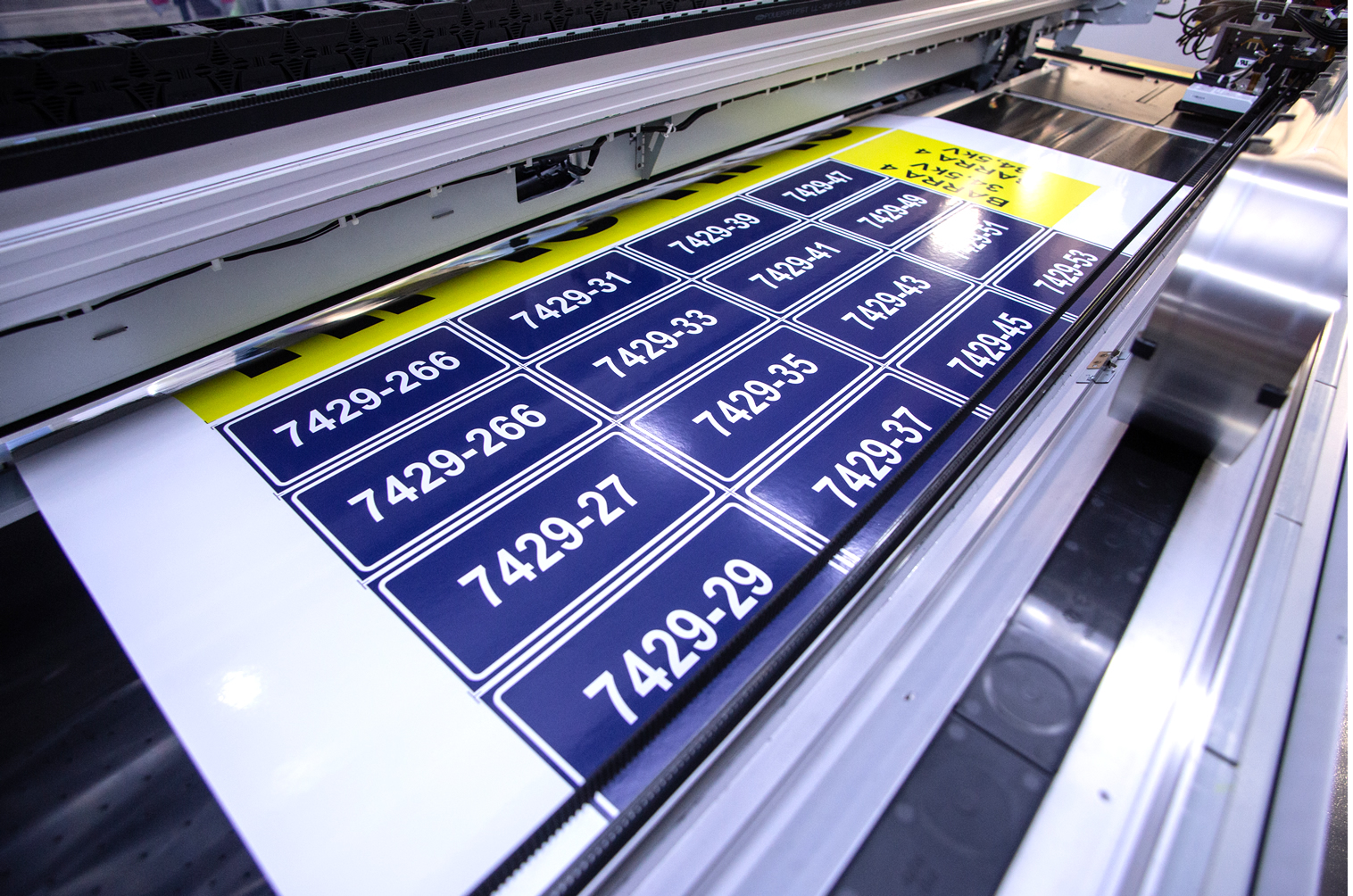
Therefore, in this post you will understand a little more about digital printing and the types of materials and possibilities for producing custom signs for your company.
Types of custom license plates
It is worth giving examples of the applications. One of the great advantages of Fingerprint It's customization that allows for more flexibility in applying graphic elements, color variations, and formats.
Let's look at some examples of signage produced by Fingerprint:
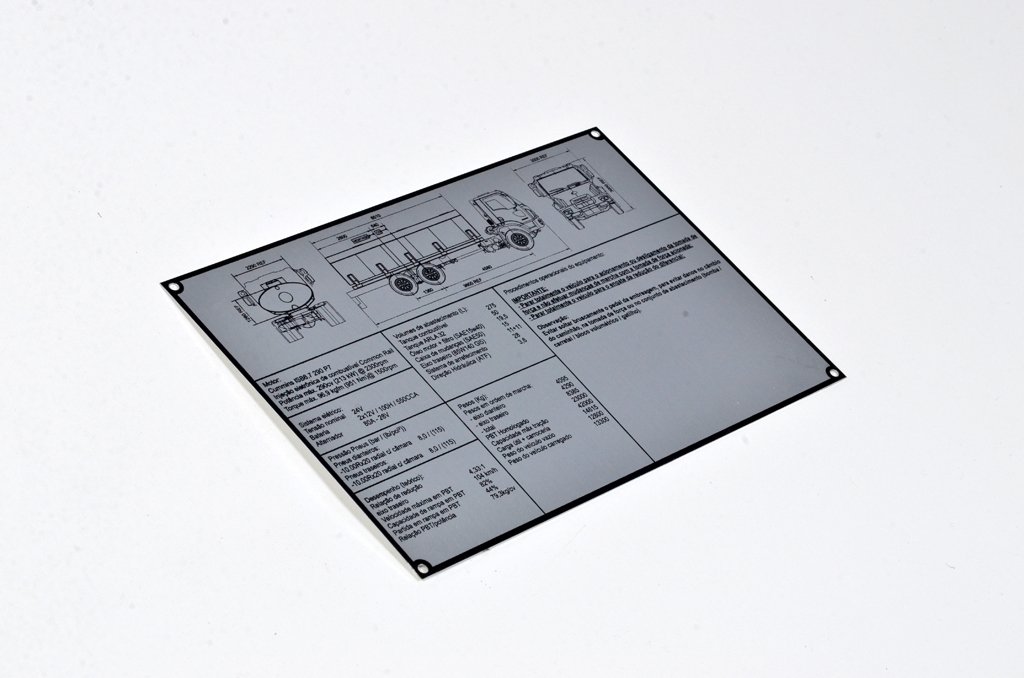
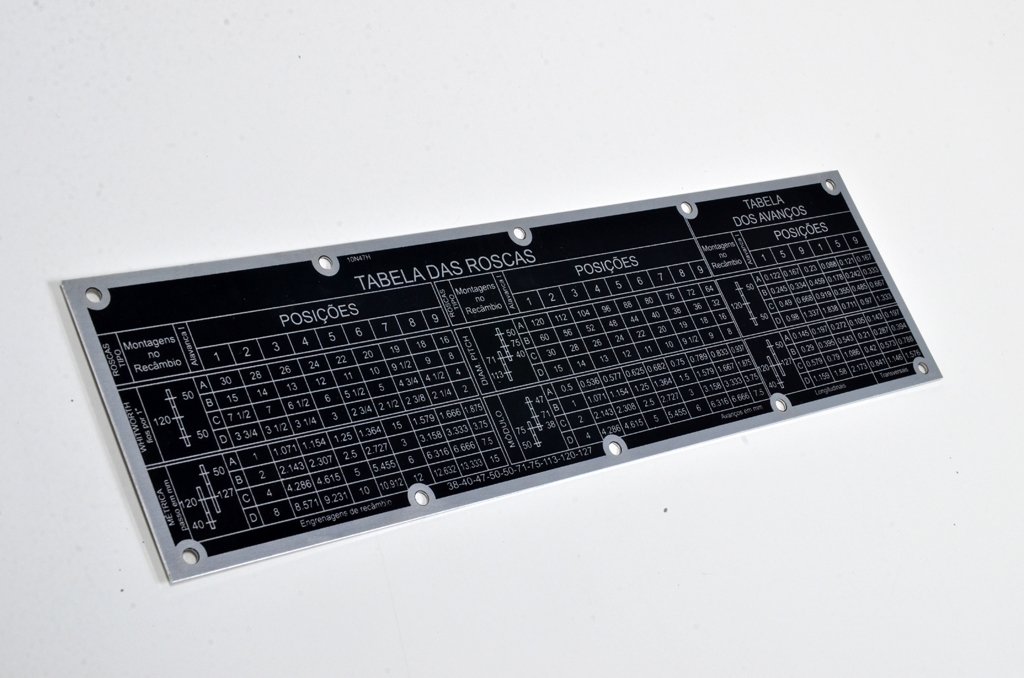
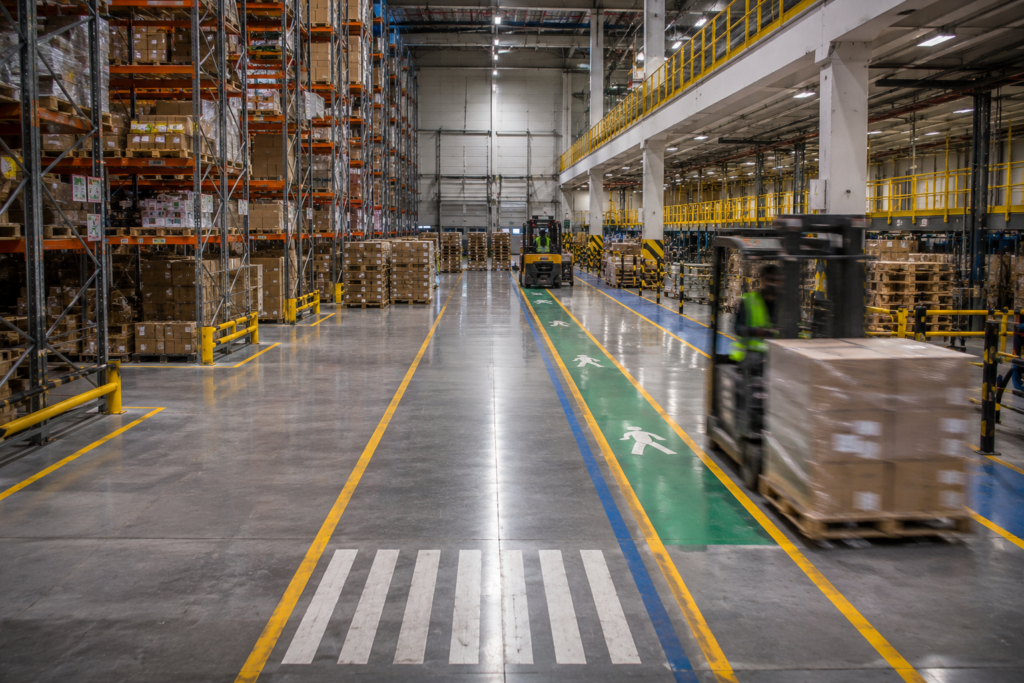
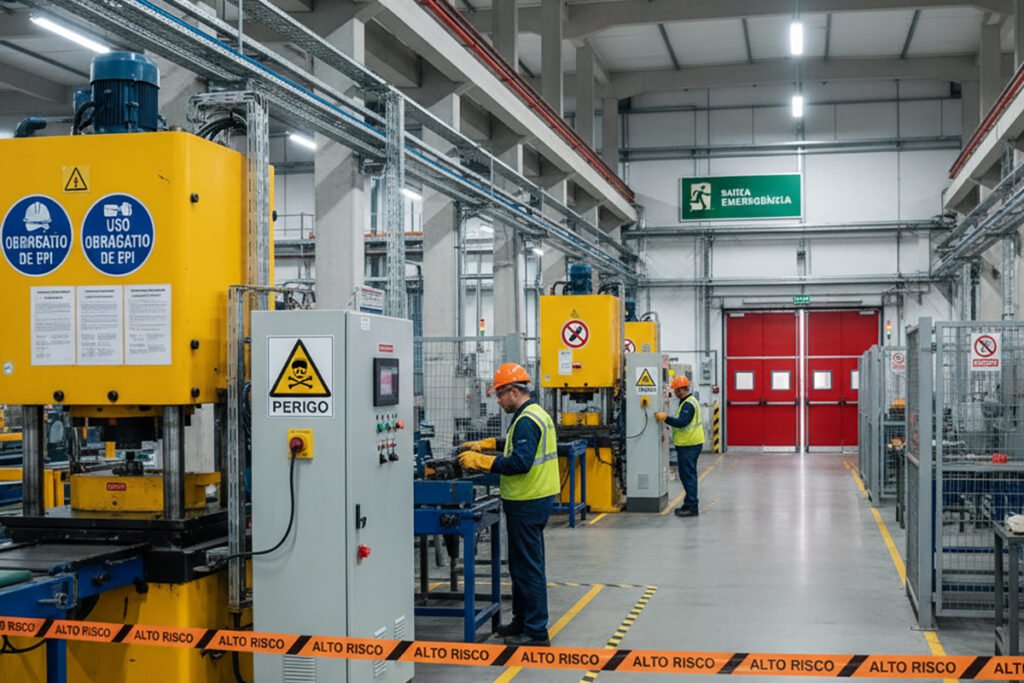
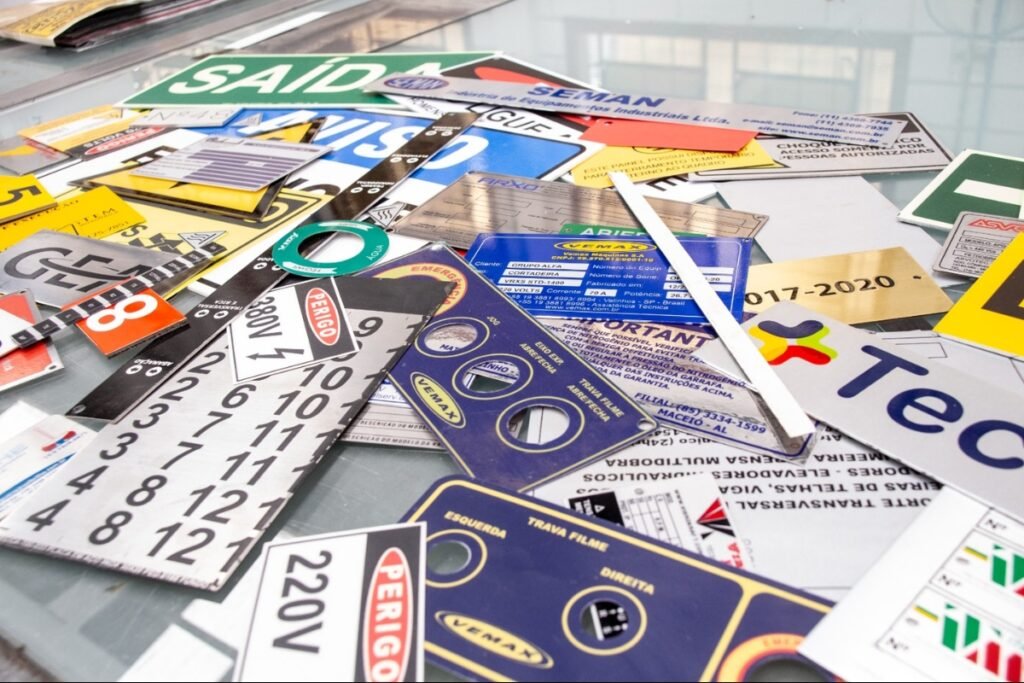
- Signaling Regarding machinery: Machines requiring extra care in handling should be a top priority for identification. Industrial equipment, such as production line machines, already have operating instructions; however, it is the company's responsibility to provide signage around the equipment.
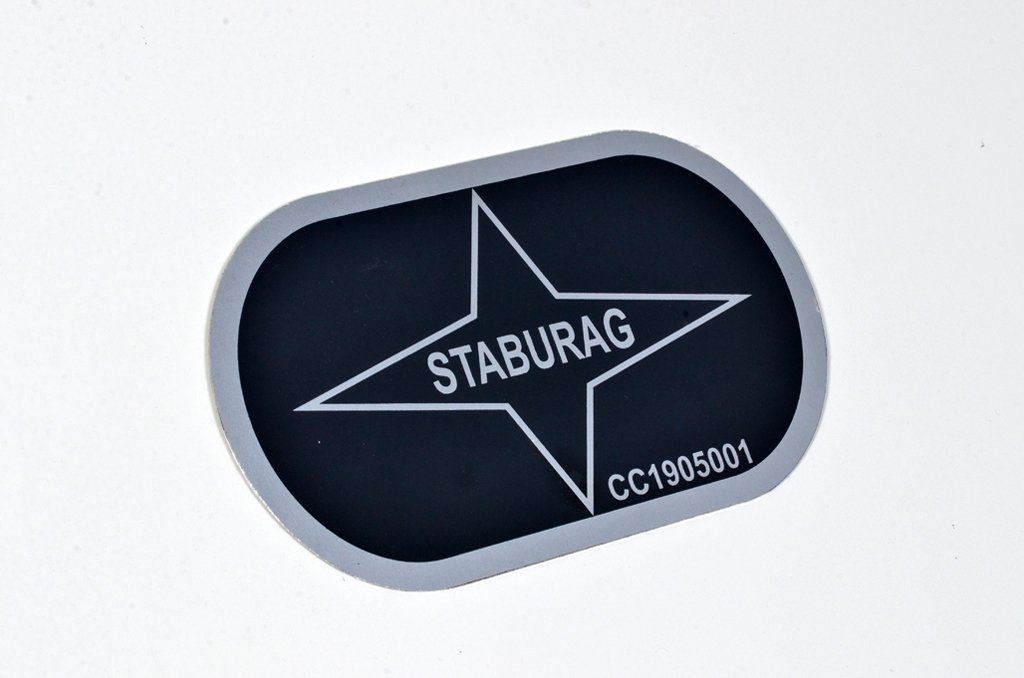
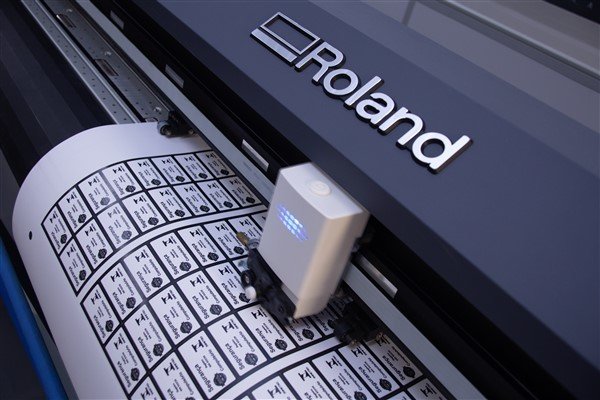
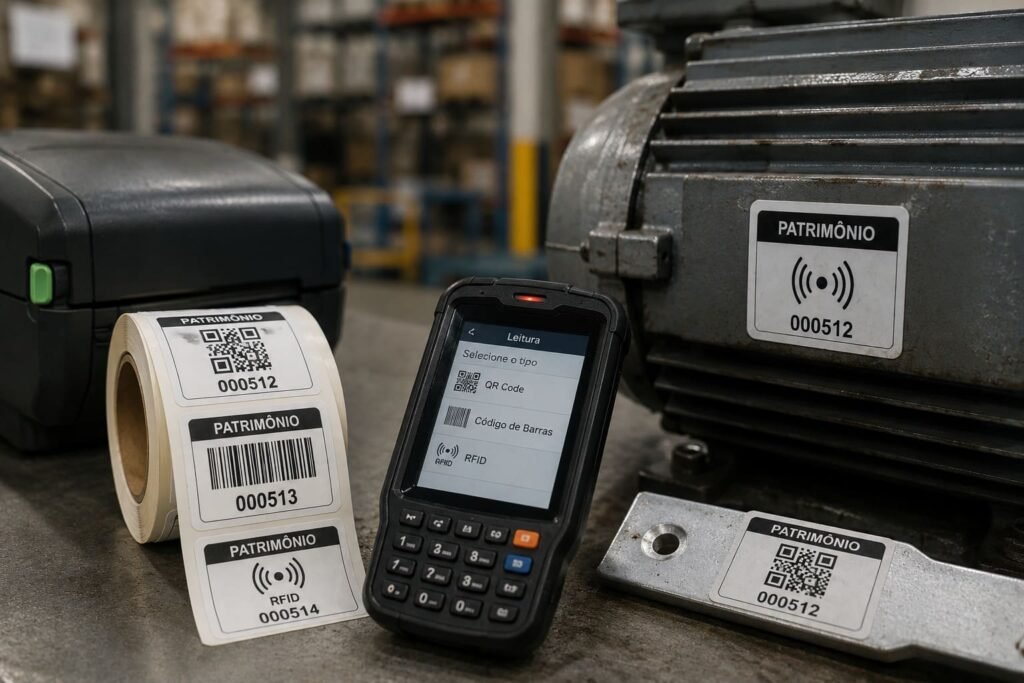
- Serial numbering and asset management: this application relates to the inventory and maintenance of various equipment.
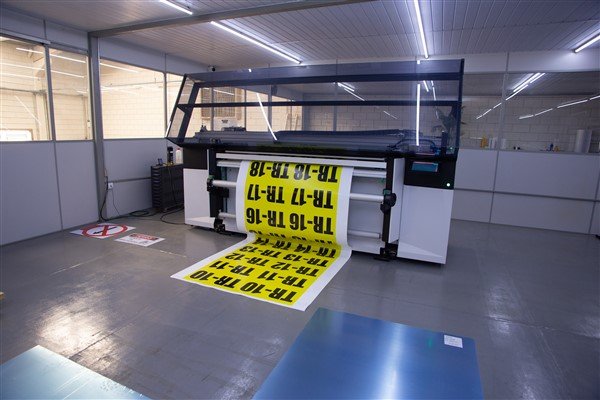
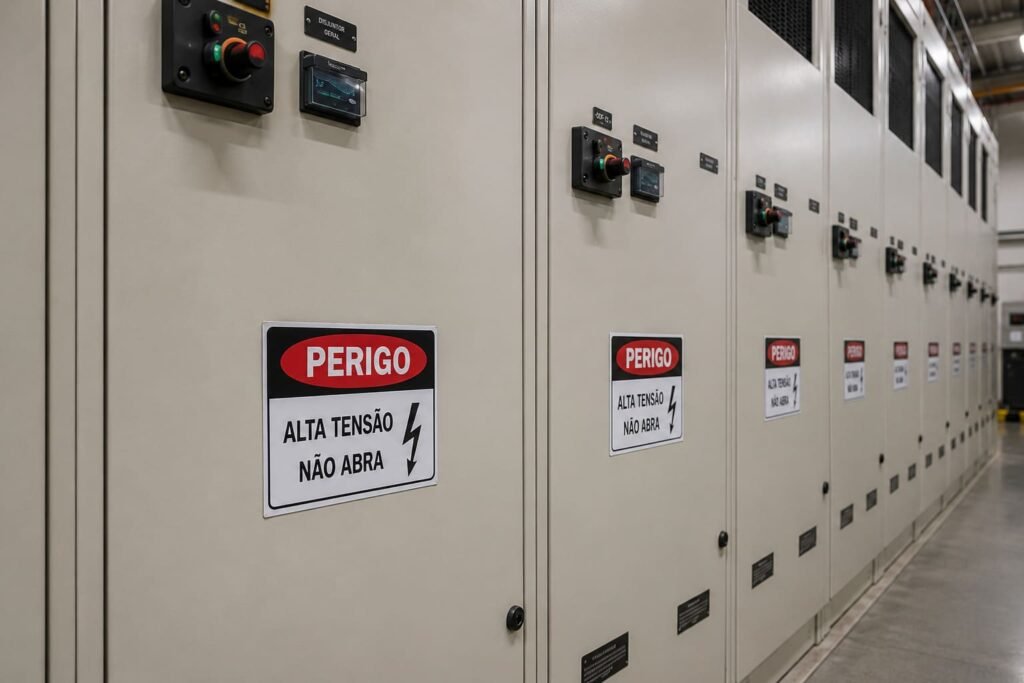
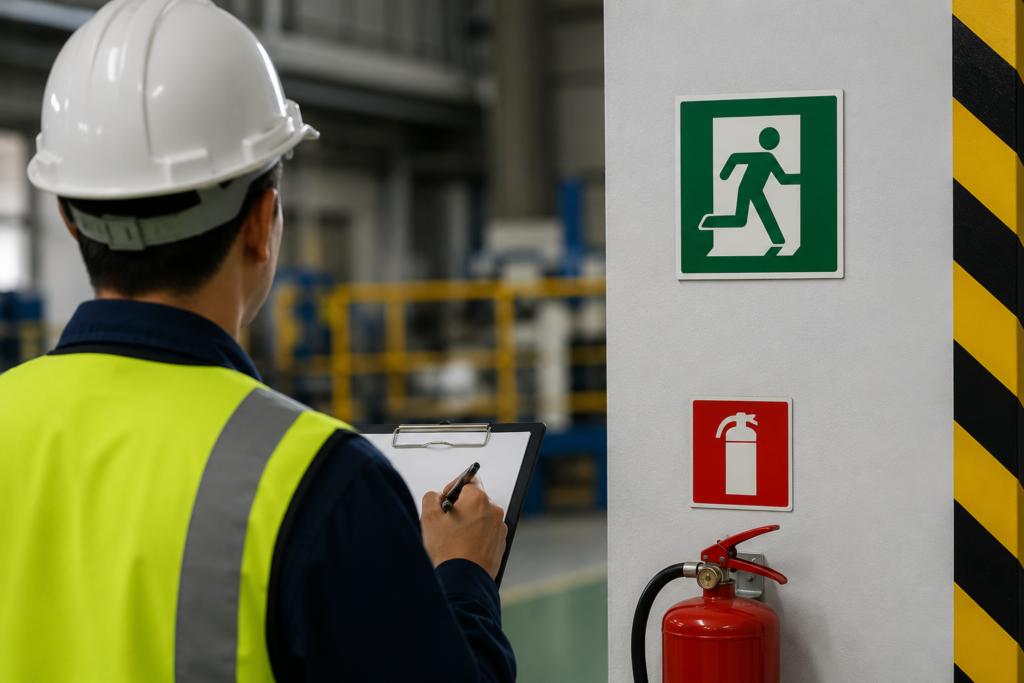
- Workplace safety: safety signage. They are generally produced with customized graphic elements (designs) in accordance with specific standards and regulations, warning, direction and danger indications.
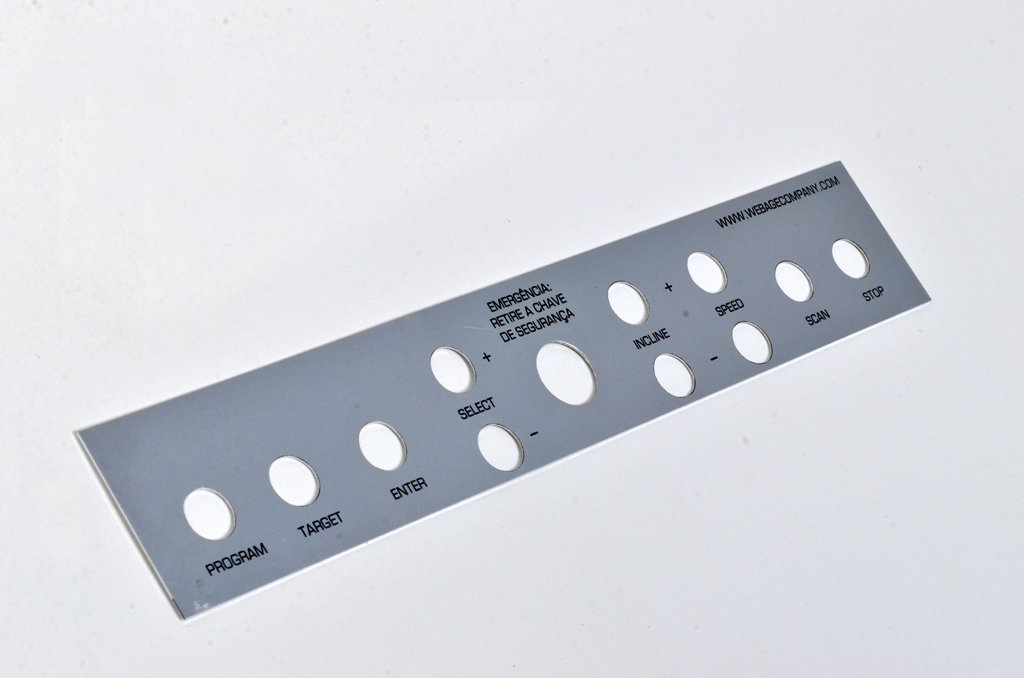
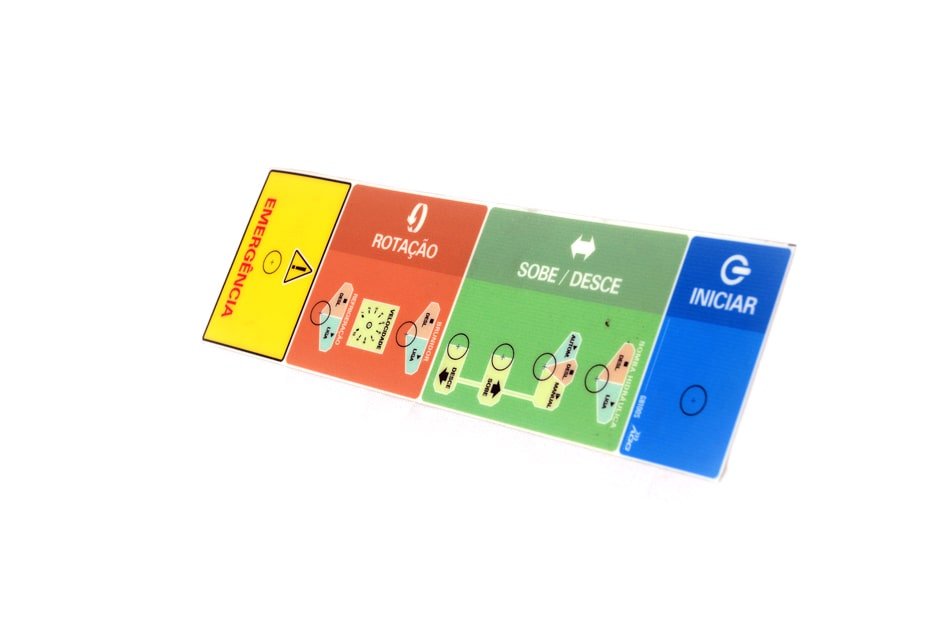
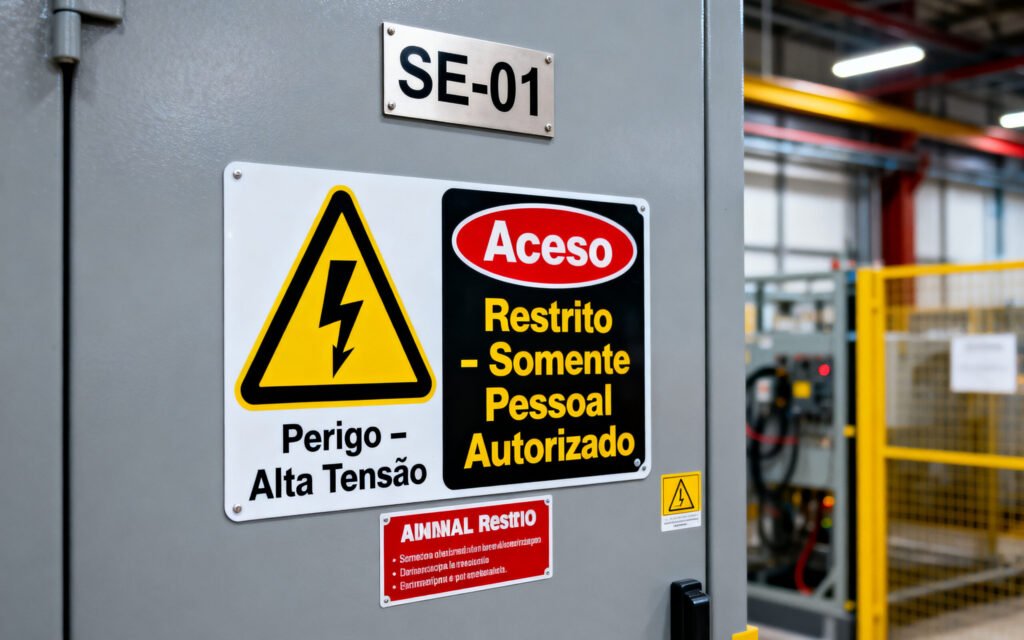
- Electronic panels: signs with instructions for use printed on adhesive materials.
Types of Materials Used in Fingerprint
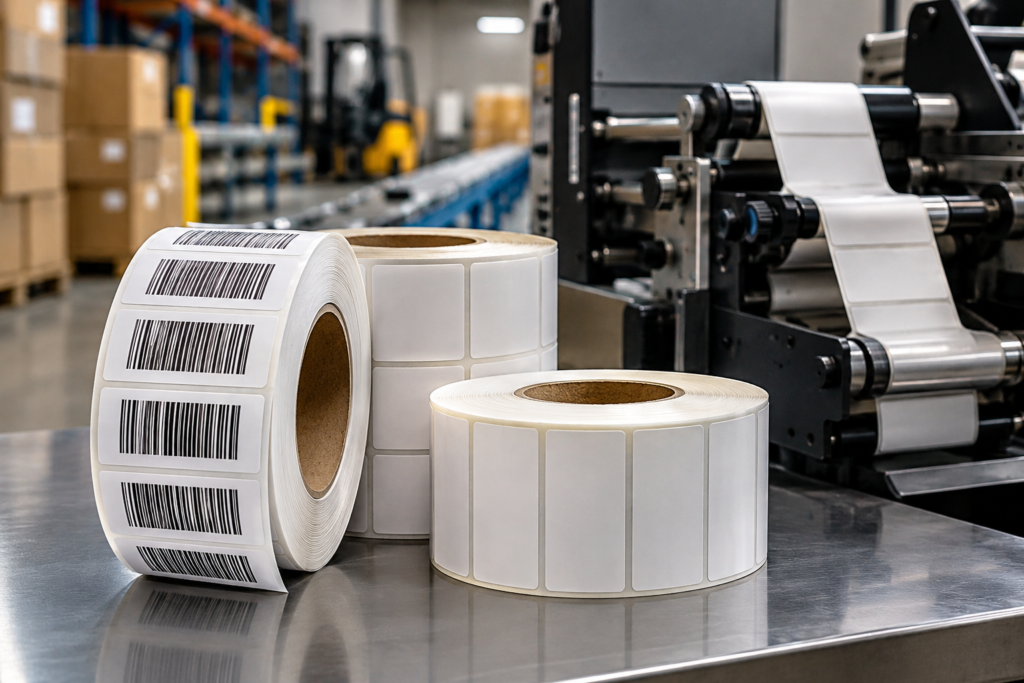
Signage plates and labels with digital printing. They can be produced on rigid and non-rigid materials, using different raw materials depending on the application:
Metals
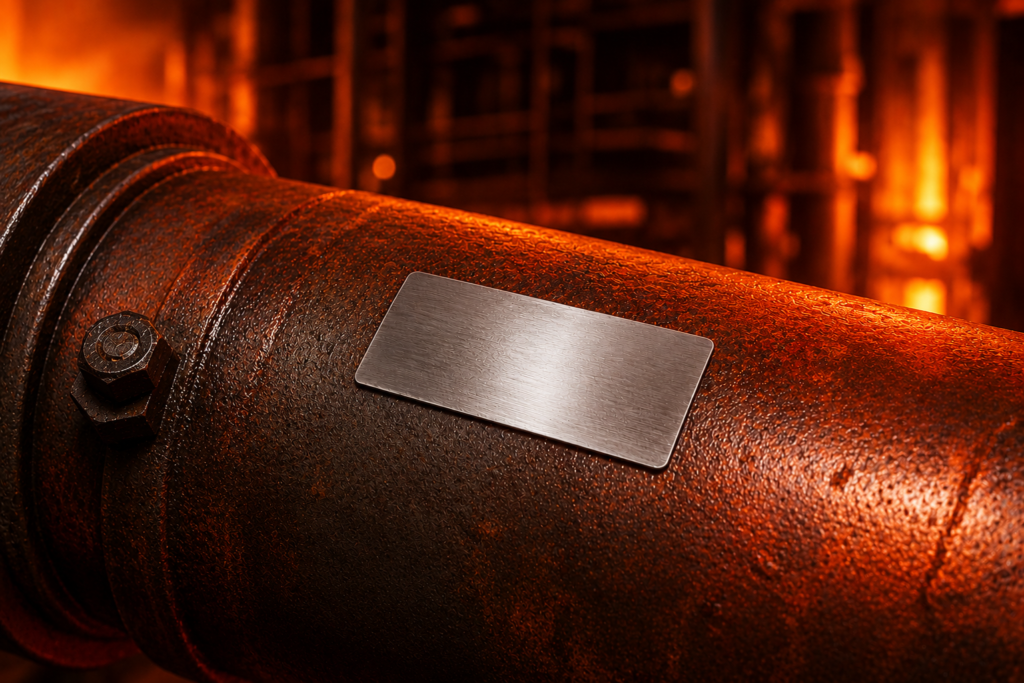
To the signs Metal plates are suitable for environments where the plate is exposed to temperature variations or may come into contact with processes using liquids.
– Stainless steel – much more resistant to corrosion and temperature variations, especially hotter temperatures. Stainless steel is a metallic alloy composed of iron, chromium, carbon, and nickel.
– Carbon steel – this material allows for application by offering mechanical resistance. It is a metallic alloy with a carbon composition;
Aluminum – lighter, yet resistant to heat and oxidation. It is also recommended for environments and processes subject to corrosion.