Check out our detailed content.

Industrial adhesive: A Complete Guide to Choosing the Right Solution for Your Environment

When discussing industrial signage and labeling, attention is often focused on the material of the sign—whether it will be aluminum, acrylic, or polycarbonate—or the chosen printing method. However, in reality, *the industrial adhesive It is the true protagonist* when it comes to durability and long-term performance.

One industrial adhesive Poorly specified specifications can compromise the entire investment in just a few days or weeks, causing detachment, loss of legibility, and even risks to operational safety. In this complete guide, you will understand how to select the... industrial adhesive Ideal considering the main challenges of each environment: extreme temperatures, constant humidity, presence of oil, contact with solvents, dust, solar radiation and intensive washing.

Industrial adhesives as a critical success factor in signage.

O industrial adhesive It acts as the bridge between visual information and the surface* where it needs to remain. When this bridge fails, it doesn't matter how high the quality of the printed material or how precise the graphic design is: the message simply ceases to exist where it should be.

Recurring problems caused by unsuitable adhesive choices:

Progressive detachment on walls with recurring dampness or condensation
Labels that “migrate” in equipment exposed to oil, grease, or vibration.
Floor markings compromised. after high-pressure jet washing cycles
Total loss of adherence when exposed to solvents or harsh chemicals
Bubbles, wrinkles and flaws in outdoor applications due to the action of heat and UV rays.

Before we explore each specific scenario, it is essential to understand the basic specification criteria.

4 essential questions to guide your adhesive choice

1) What is the nature of the application surface?

The substrate directly determines the type of industrial adhesive compatible:

High-energy surfaces (treated metals, glass, ceramics): offer good receptivity to conventional adhesives.
Low-energy surfaces (polyethylene, polypropylene, some technical plastics): require adhesives specially formulated for these materials.
Irregular or porous surfaces (exposed concrete, natural wood, plaster): require adhesives with greater "wetting" and shaping power.
Contaminated surfaces (presence of residual oil, deposited dust, remnants of old glue): require thorough pre-cleaning and, in some cases, adhesion primers.

2) What will be the expected useful life cycle?

Temporary applications (event signage, temporary works, short internal campaigns).
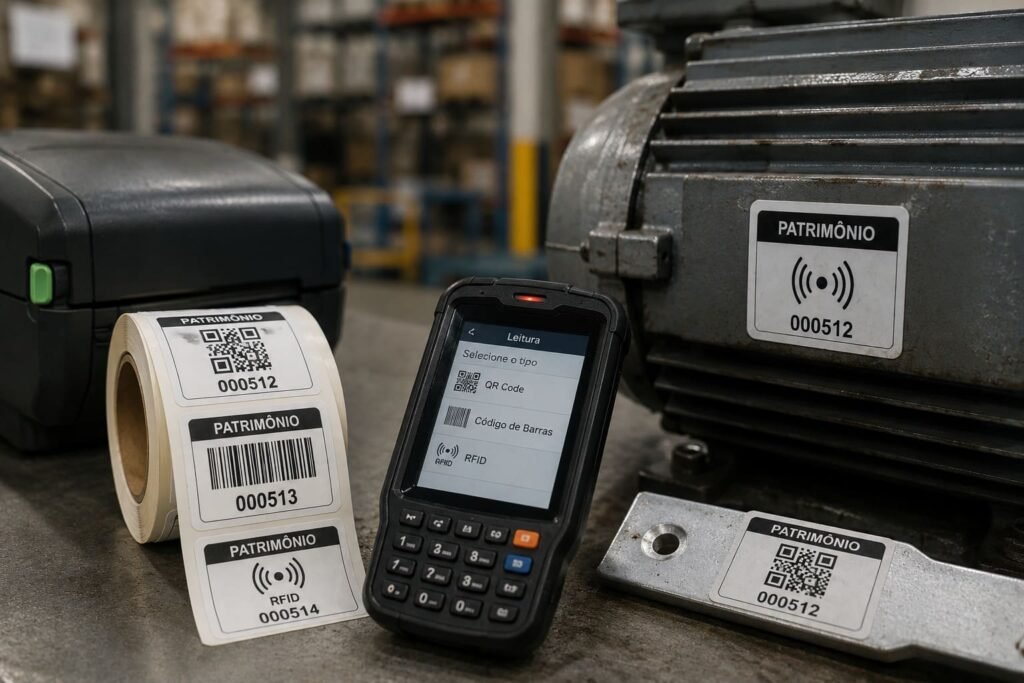
Medium-term applications (Equipment identification, routine internal signage).
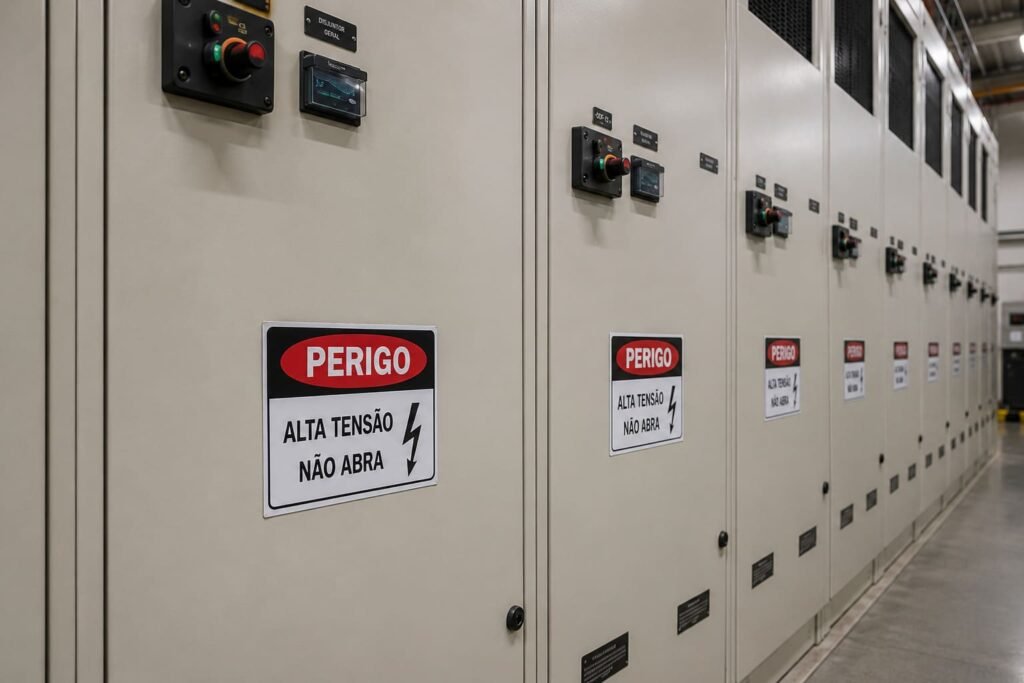
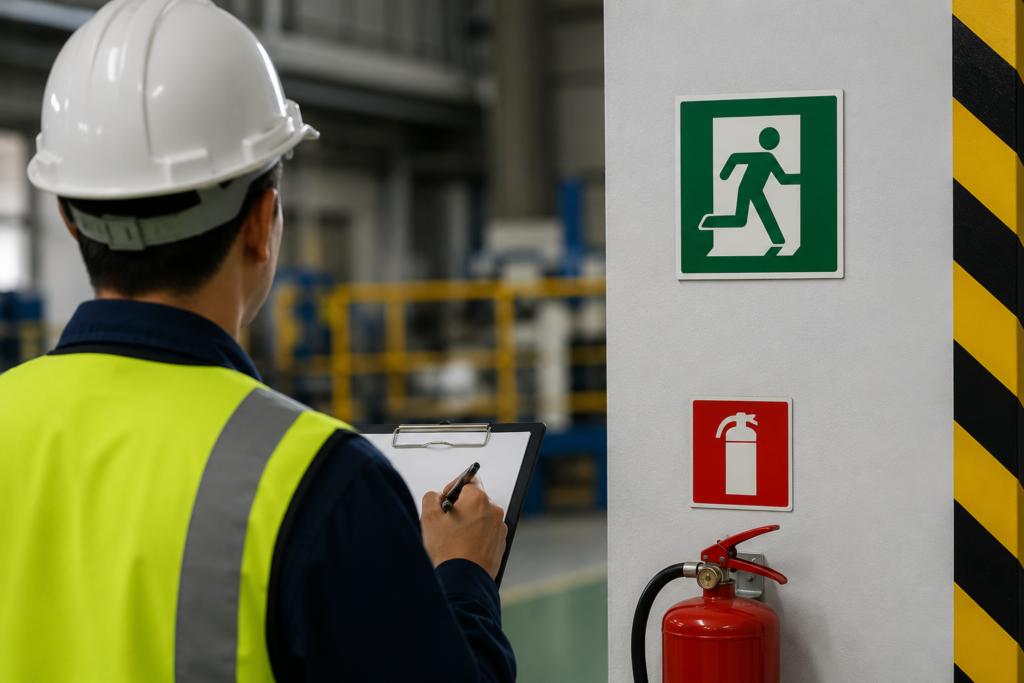
Permanent applications (safety signage, risk identification, critical assets, external industrial).

Long-term applications justify the investment in high-performance adhesives that offer greater resistance to aging and adverse conditions.

3) Will removal be necessary in the future?

Permanent stickersDesigned to not be removed without leaving residue or damaging the surface.
Removable stickersThey allow for clean removal, ideally without marks or residue.
Safety stickers (void, eggshell): they shatter when someone tries to remove them, indicating tampering or attempted fraud.

4) What environmental hazards will the industrial adhesive face?

– Variations or extremes of temperature.
Humidity persistent and condensation cycles.
– Contact with oil, grease, solvents or harsh cleaning products.
Exposure to fine dust, mechanical abrasion or heavy traffic.
Direct solar radiation and aging due to UV rays.
Pressure washing, application of steam or industrial detergents.

Understanding these factors allows us to move on to analyzing each specific environment.
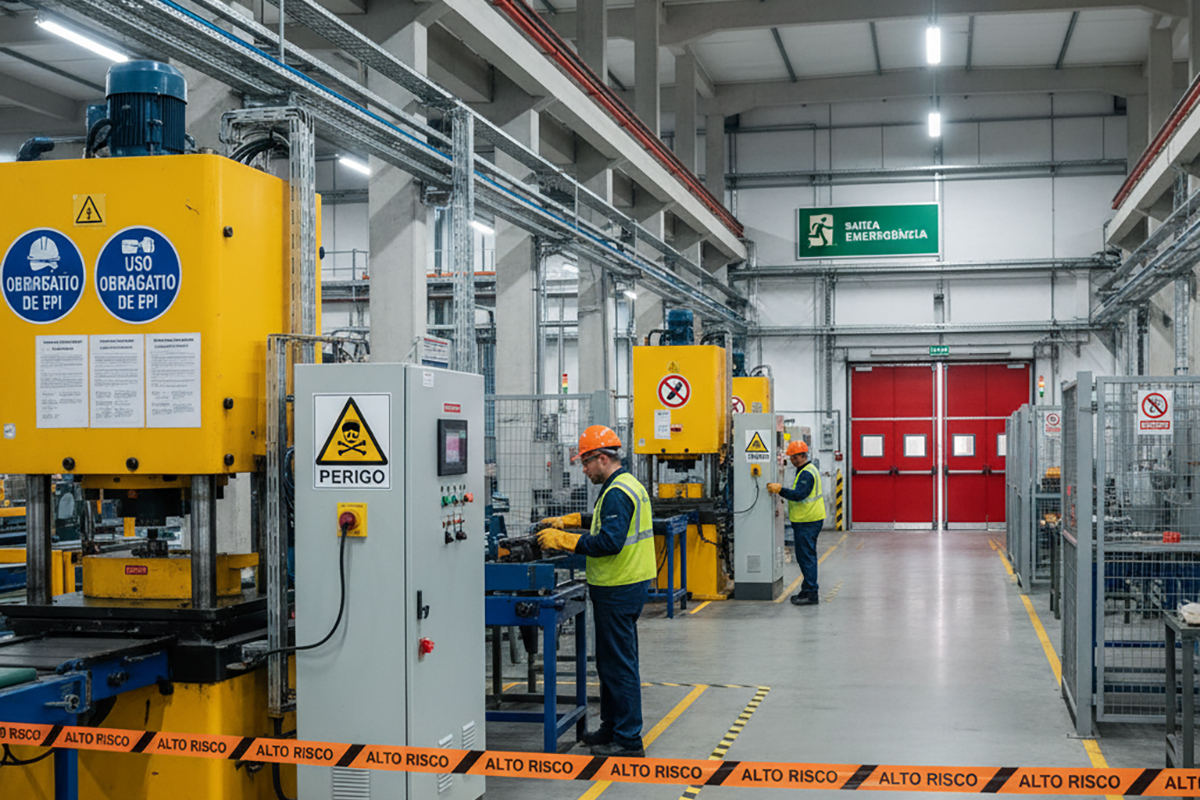
Adhesive specification based on environmental conditions

1- High temperature environments

Typical places:

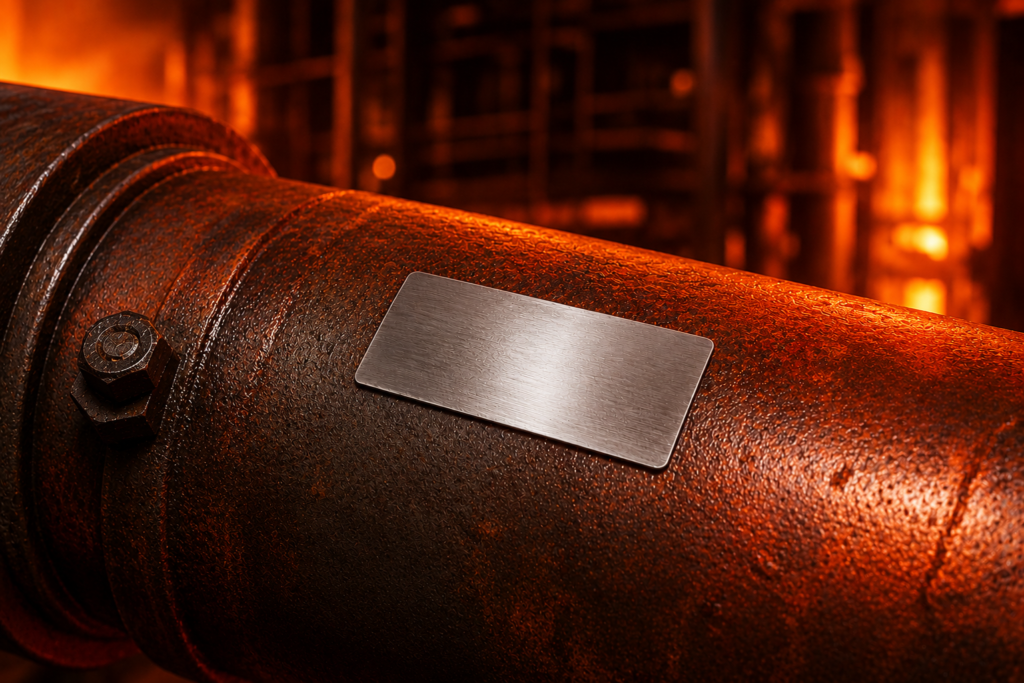
– Proximity to industrial furnaces, boilers, ovens, and dryers.
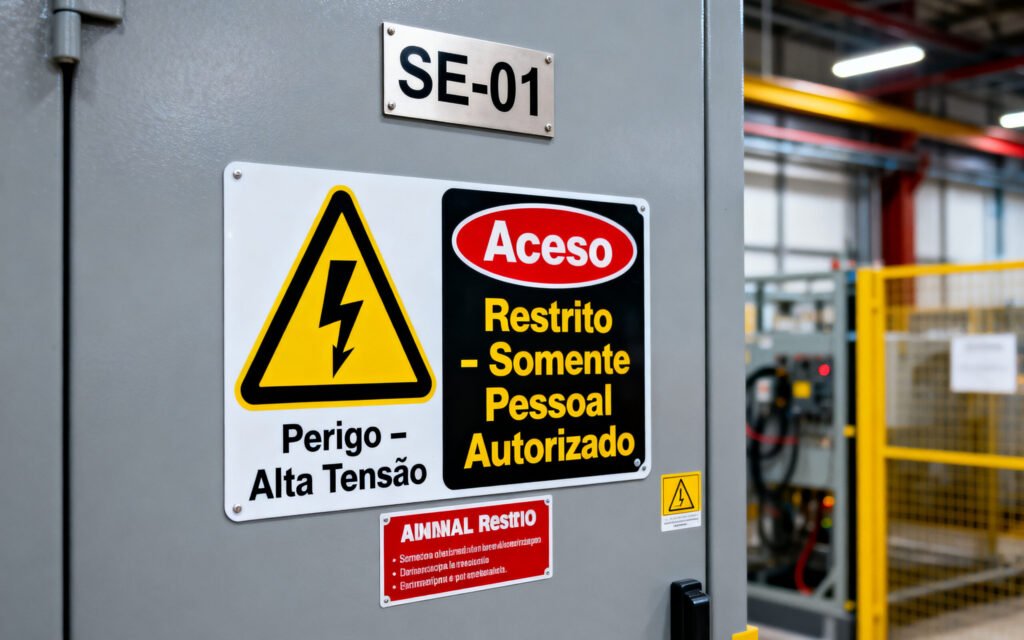
– Motors, electrical panels and transformers in continuous operation.
– External metal structures exposed to intense sunlight in hot climates.

Main risks:

– Softening of the adhesive mass, causing the label to slip or fall off.
– Thermal degradation of the glue, leading to irreversible loss of adhesion.
– Formation of bubbles, ripples, and deformations in the material.

Recommended Features:

– Adhesives specifically designed for *high temperatures*, with a clearly specified operating range (e.g., continuous operation at 80 °C, peaks up to 150 °C).
– Thermosetting base films, such as polyester or technical engineering materials.
– Joint assessment of the color and finish of the application surface, as dark metals amplify heat absorption.

Best practices:

– Avoid generic solutions in areas with constant heat exposure.
Always specify both the *continuous operating temperature* and any *occasional peak temperatures*.

2- Humid environments with condensation

Typical places:

Open areas without cover, subject to rain.
Cold storage rooms, cooling tunnels, refrigerated areas.
– Areas with protocols for constant cleaning (floors, walls, equipment).
– Coastal regions with high salinity and sea spray

Main risks:

– Initial adhesion failure due to the presence of moisture between the industrial adhesive and the substrate.
– Water seeping in through the edges, leading to progressive detachment.
– Formation of fungi or mold on some porous materials

Recommended Features:

– Adhesives developed for *moisture resistance* and with good sealing capacity at the edges.
– A combination of facing and lamination materials that prevent liquid penetration.
– Preference for certified solutions for outdoor use when there is direct exposure.

Best practices:

– Thoroughly clean and dry the surface before application.
Never apply to cold or damp substrates; allow for thermal stabilization and drying.

3- Environments with the presence of oil and grease

Typical places:

– Mechanical workshops, preventive and corrective maintenance sectors.
– Production lines with continuous lubrication (machining, stamping, assembly).
Automotive, metallurgical, and machine manufacturing industries

*Main risks:*

Oil acting as a barrier between the industrial adhesive and the surface*, preventing anchoring.
– Lateral slippage, bubble formation, or complete detachment of the signage.

Recommended Features:

– Adhesives with *high initial tack* (immediate adhesion strength) and proven resistance to oil and grease.
– Special acrylic formulations or adhesives developed for contaminated and low-energy surfaces.

Best practices:

Thorough cleaning with appropriate degreasers before application.
– In environments with continuous contamination, evaluate hybrid solutions: mechanical fastening (screws, rivets) combined with industrial adhesive reinforcement

4- Environments with solvents and chemicals

Typical places:

Chemical, pharmaceutical, paint and resin industries.
– Analytical and quality control laboratories.
– Areas requiring heavy cleaning with the use of strong solvents and degreasers.

Main risks:

– *Direct chemical attack* on the adhesive, resulting in loss of cohesion or dissolution.
– Label delamination occurs when solvent seeps through the edges or the back of the label.

Recommended Features:

- Stickers with high chemical resistance documented (always consult the technical data sheets).
- Equally durable facing materials, such as industrial polyester, polyamide or specific technical films.
Application of protective lamination when there is frequent or intense contact 

Best practices:

– Inform the supplier which chemicals They will be in contact (name, concentration, frequency).
Always request field tests with samples before standardizing the material

5- Environments with dust, particles and abrasion

Typical places:

Cement plants, mills, mining companies and quarries.
– Sawmills, wood industries, and areas with metallic dust.
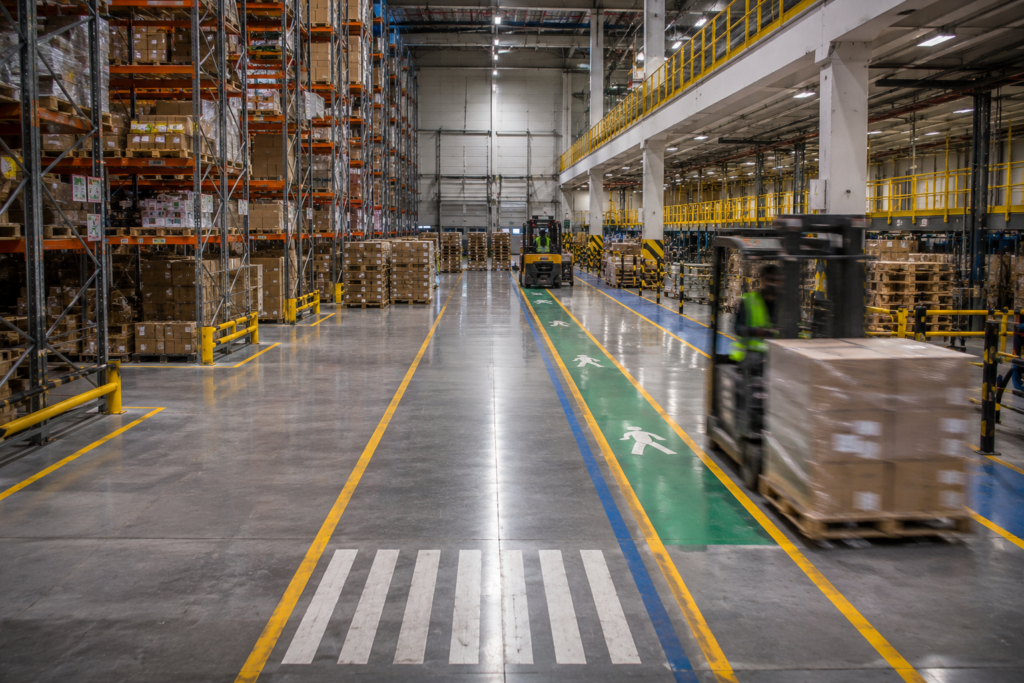
– Internal roads with heavy traffic, docks and cargo handling areas.

Main risks:

– *Dust deposited* between the industrial adhesive and the surface at the time of application, preventing actual contact.
– Accelerated mechanical wear of the signage due to constant abrasion (traffic, contact with equipment).

Recommended Features:

- Stickers high performance with excellent surface wetting capacity

– For floor markings or high-traffic areas, specific solutions with Anti-slip and anti-abrasion lamination.

Best practices:

– Extremely thorough cleaning of the surface before application, including removal of particles from pores and crevices.

– In areas of severe abrasion, consider additional physical protections (reinforcing plates, conduits, recessed installation)

6- Exposure to solar and UV radiation

Typical places:

– Exterior facades, perimeter walls, gates and outdoor structures.
– Transmission towers, poles, tanks and external silos.
– Industrial yards, parking lots and open areas

Main risks:

Accelerated aging Problems with the adhesive: drying out, loss of elasticity, microcracks.
– Degradation of the surface material: yellowing, color fading, surface cracks.

Recommended Features:

– Stickers developed specifically for external use, with protection against UV radiation.
– Films and inks with UV stabilizers and protective lamination when necessary.
– Clearly defined expected lifespan (e.g., 3, 5, 7 years in full sun exposure)

Best practices:

– Treating external projects as own specifications, never as a replica of internal solutions.
– Always check the estimated durability under real exposure conditions

7. Environments with frequent washing and high pressure.

Typical places:

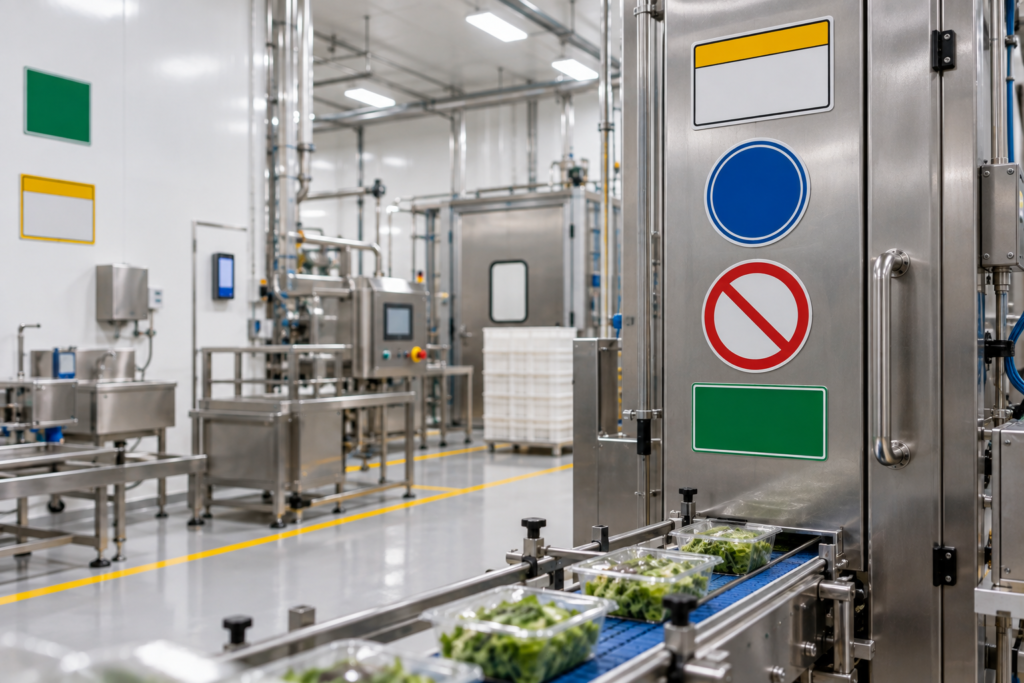
Food, beverage, dairy and industries
refrigerators.
– Areas for sanitary hygiene and microbiological control.
Floors and hallways are washed daily with a water jet.
under pressure and industrial detergents

Main risks:

Water infiltration under pressure along the edges, leading to gradual detachment.

Combined action of humidity, high temperature
(hot water) and chemical agents (sanitizers, detergents)

Recommended Features:

- Stickers high performance with excellent cohesion
Internal durability and water resistance.
– Face materials and laminations compatible with the specific cleaning products of the environment.
– For floors, solutions tailored to Heavy traffic + car wash, not just generic stickers

Best practices:

– Clearly specify the hygiene protocol:
Frequency, water temperature, type of detergent, applied pressure.
– In security-critical applications, consider Signage on rigid boards with additional mechanical fixation.

Common mistakes when choosing stickers (and how to avoid them)

Using a single type of industrial adhesive for all applications 

✅ What works in an administrative environment rarely holds up in harsh industrial environments.

Ignore substrate type 

✅ Glass, stainless steel, epoxy paint, and concrete require entirely different approaches.

Apply to contaminated, damp, or low-temperature surfaces.

✅ Surface preparation is just as important as choosing the right adhesive.

Do not consult the maintenance and cleaning areas.

✅ They know firsthand what real aggressions the environment presents.

Deciding solely based on the lowest price.

✅ Evaluate the total cost (useful life, rework, safety) and always consult technical data sheets.

Practical step-by-step guide to specifying the correct industrial adhesive.

  1. Characterize the environment and the substrate.

Where will it be applied? What is the surface material? Indoor or outdoor environment?

  1. Map the aggressions present.

Is there heat, humidity, oil, solvents, dust, traffic, or UV radiation? At what intensity and frequency?

  1. Define the expected lifespan.

Temporary (weeks/months), medium-term (1–3 years), or long-term (5+ years)?

  1. Assess the need for future removal.

Permanent, removable, or security (void/eggshell)?

  1. Request a substantiated technical recommendation.

Consult detailed technical data sheets and, whenever possible, conduct field tests with samples.

  1. Standardize internally

After validation, create a standard by sector or environment (e.g., "Production area:") industrial adhesive X + material Y”), reducing the margin of error and facilitating replacements.

Conclusion

The choice of industrial adhesive It is a strategic decision that directly impacts the security, compliance, operational costs and image From the company's perspective, by carefully considering the environment, the substrate, the existing aggressions, and the expected lifespan, you eliminate rework, reduce waste, and ensure that critical information remains legible and adhered exactly where it needs to be.

A Cooperarts is available to support your company in the correct technical specification of stickers and materials for each application. Contact our technical team and request personalized guidance for your project.

Suggested next steps:

I would like me to transform this content into:

A technical checklist in PDF format. For specifying adhesives by environment?

A sales service script To guide the team in conversations with clients?

Which of the options would be most useful for the Cooperarts right now?