The Psychology Behind Signage: How Colors and Symbols Impact Human Behavior
A safety signage It's much more than just signs and colors scattered around an environment. Behind each symbol and shade lies a deep foundation in human psychology, designed to elicit quick and effective responses in risky situations. Understanding how our brain processes this visual information is crucial to creating safer and more efficient environments.
The Power of Colors in Safety Signage
Colors are not merely aesthetic elements; they carry universal meanings that are quickly decoded by our brains, even before we process the text or symbol. This instinctive response is vital in emergencies.
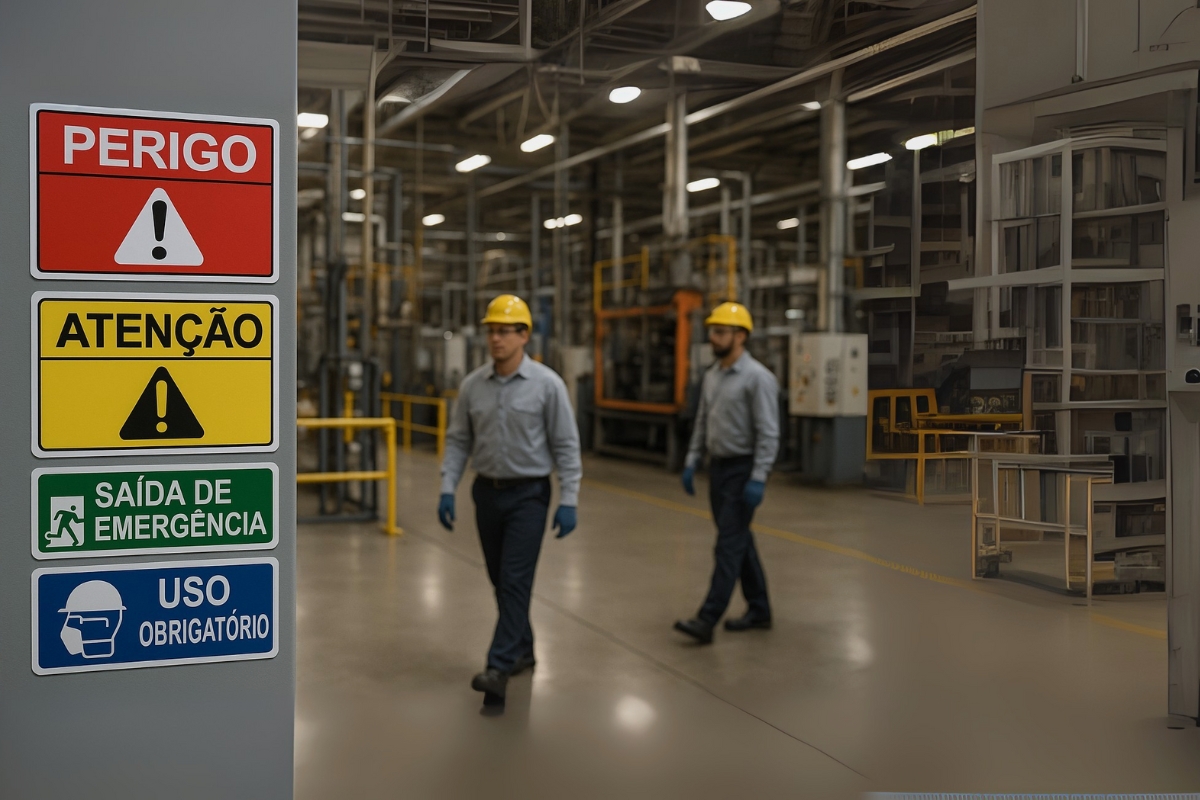
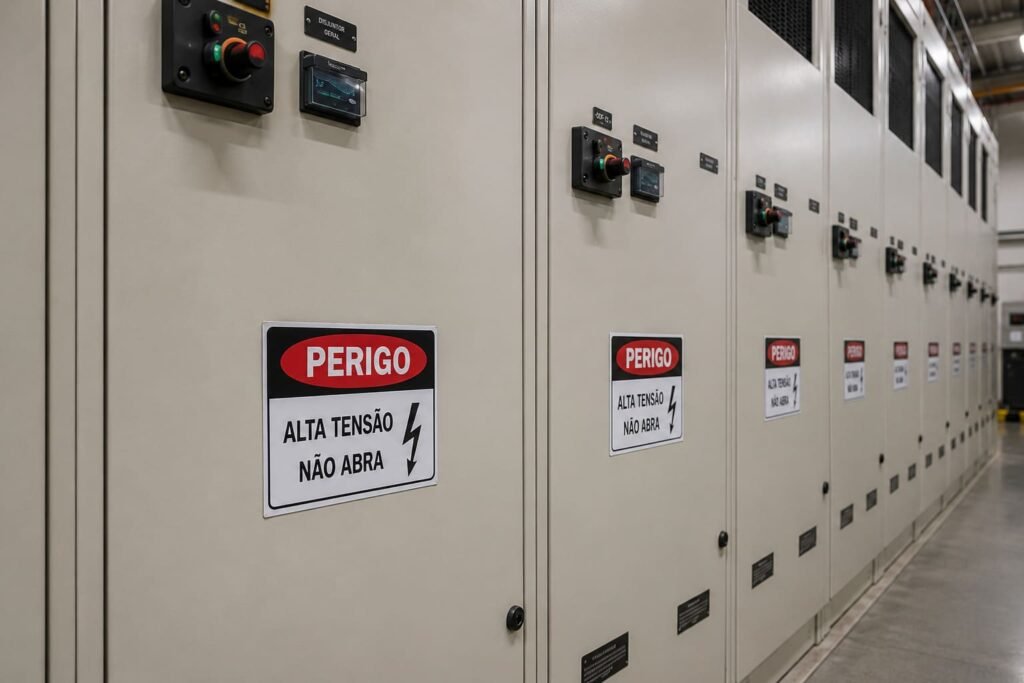
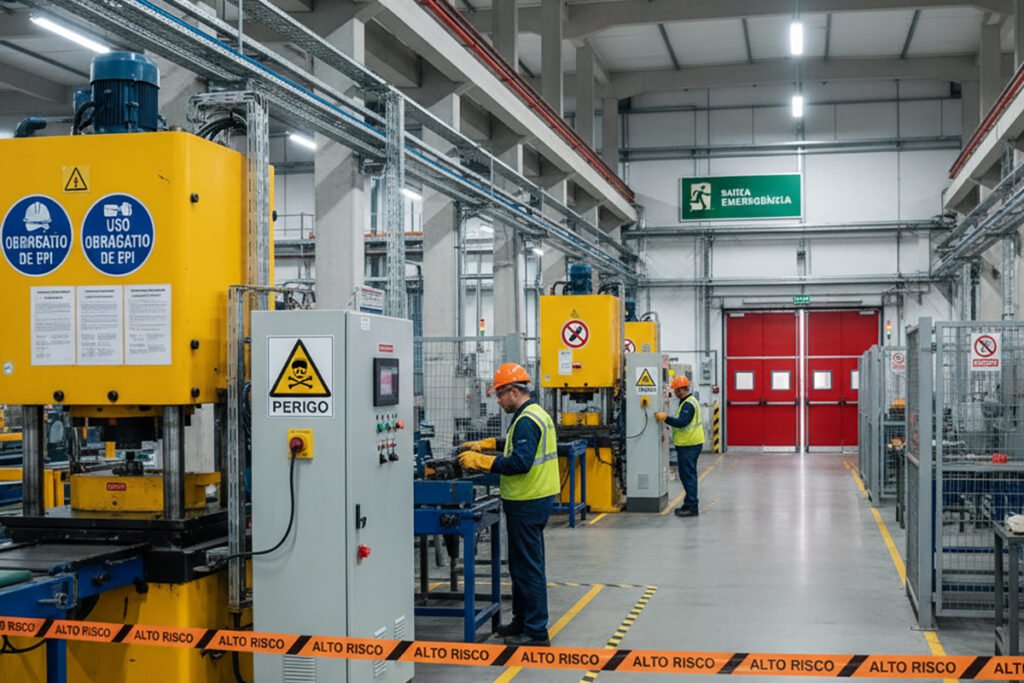
Red: Unequivocally associated with Danger, prohibition and emergency stops. It is the color of fire, of blood, and therefore evokes an immediate, high-alert response. Used on "No Smoking" and "Stop" signs, firefighting equipment, and imminent danger warnings.
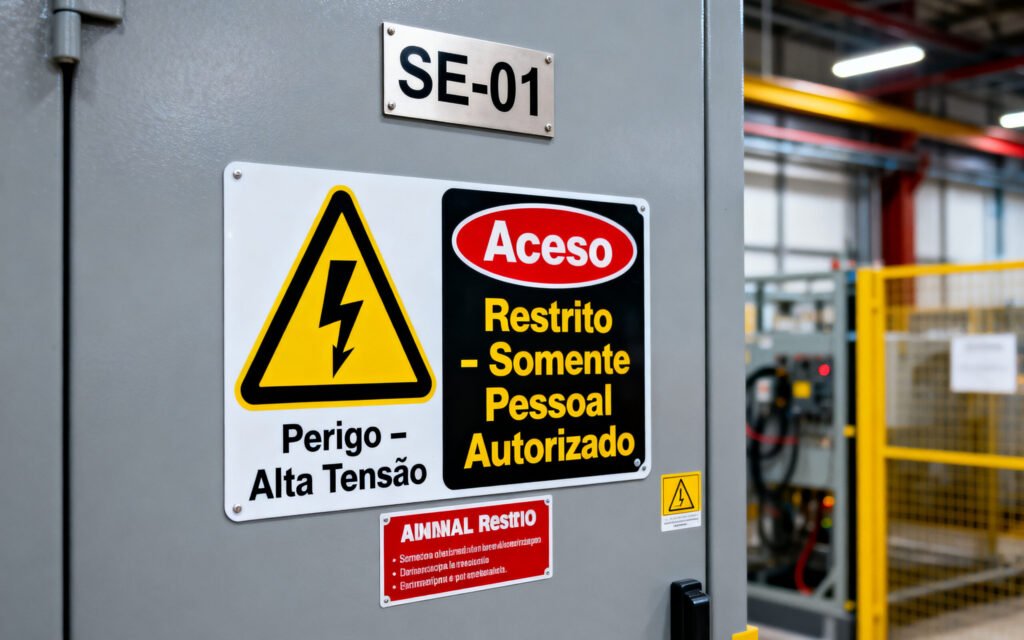
Yellow (or Orange): Indica attention, caution and alert. It's not an immediate danger, but a warning for precaution. We see it on signs like "Caution, Wet Floor," "Attention, High Voltage," or on personal protective equipment that needs to be easily visible.
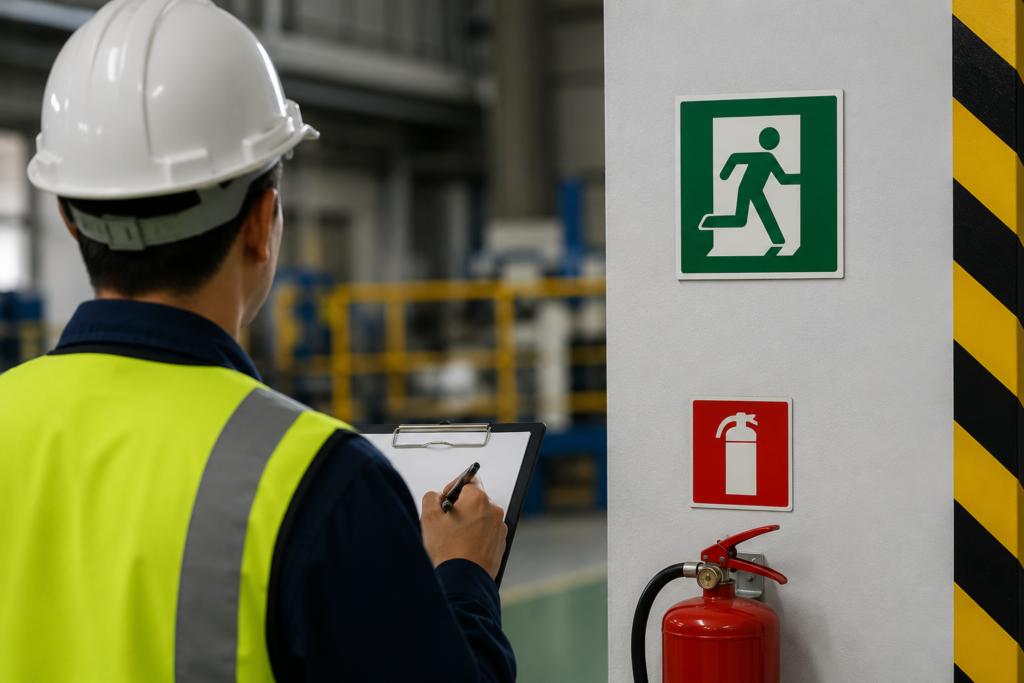
Green: Transmits security, permission and escape route information. It is the color of nature, of calm and hope. Essential for indicating emergency exits, first aid stations, safety showers, and directions to safe areas.
Blue: Generally associated with information and obligation. This suggests that an action must be taken to ensure the safety or proper functioning of something. Examples include signs indicating the need to use PPE ("Helmet Use Required") or general information.
White/Black: Used primarily for General information, captions, and contrasting backgrounds. which optimize the legibility of other colors and symbols.
The Power of Symbols and Pictograms
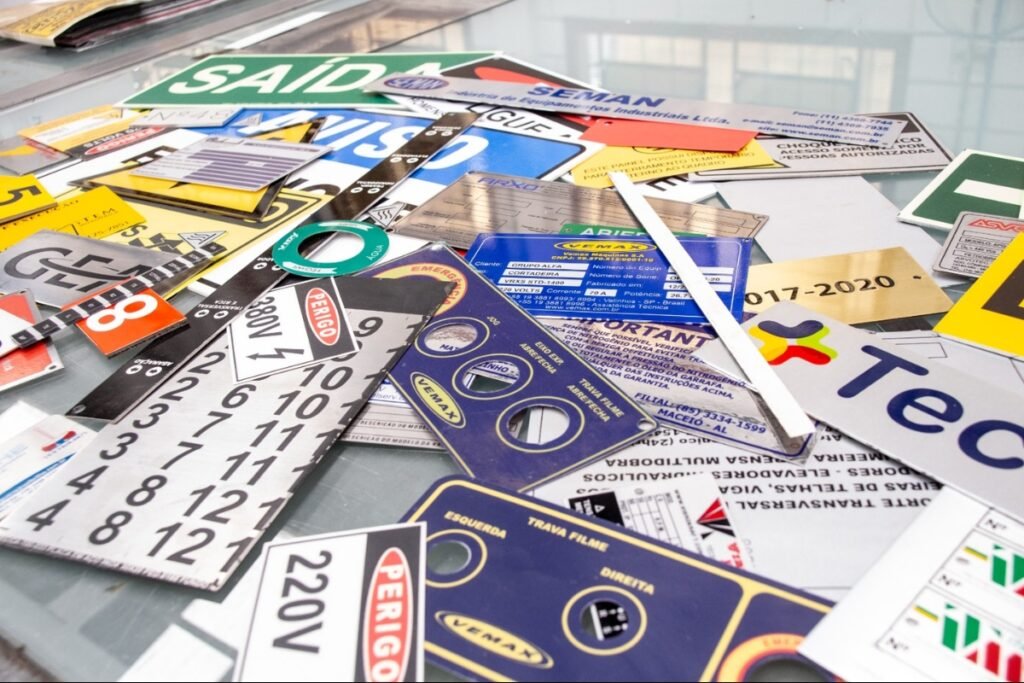
While colors attract attention, symbols (or pictograms) communicate the message universally, overcoming language barriers and illiteracy. A well-designed symbol can convey a complex instruction in a fraction of a second.
Universal Recognition: A pictogram of a person falling is understood anywhere in the world as "beware of falling," without the need for text.
Processing Speed: Our brains process images much faster than text. In an emergency, every second counts.
Visual Memory: Iconic symbols are more easily memorized and associated with specific behaviors.
The effective combination of colors, symbols, and a clear, objective design creates a signage system that not only informs but also guides human behavior in an almost instinctive way, minimizing risks and saving lives.
The Importance of a Specialist
Implementing effective safety signage requires more than just hanging signs. It demands technical knowledge of regulatory standards, visual psychology, material durability, and, above all, a deep understanding of the specific needs of each environment.
That's why having experts on the subject makes all the difference. CooperartsWe possess the expertise and a complete portfolio of solutions in safety signage and visual communication, ensuring that your company not only complies with regulations but also utilizes the power of psychology to create a truly safe and functional environment. Invest in intelligent signage and protect what is most valuable: lives.
Discover how to apply the psychology of colors and symbols to your company. Request your quote now and get signage that truly influences behavior!