What is the difference between vinyl, polyester, and polycarbonate adhesive?
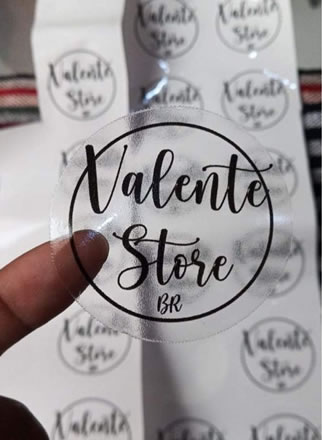
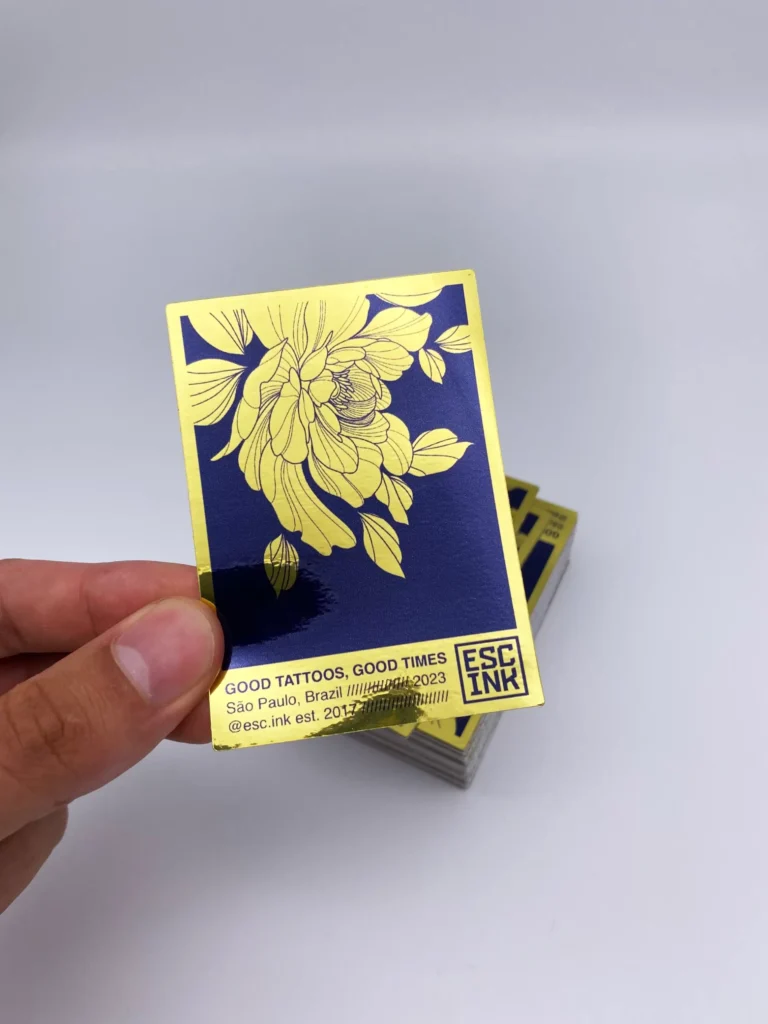
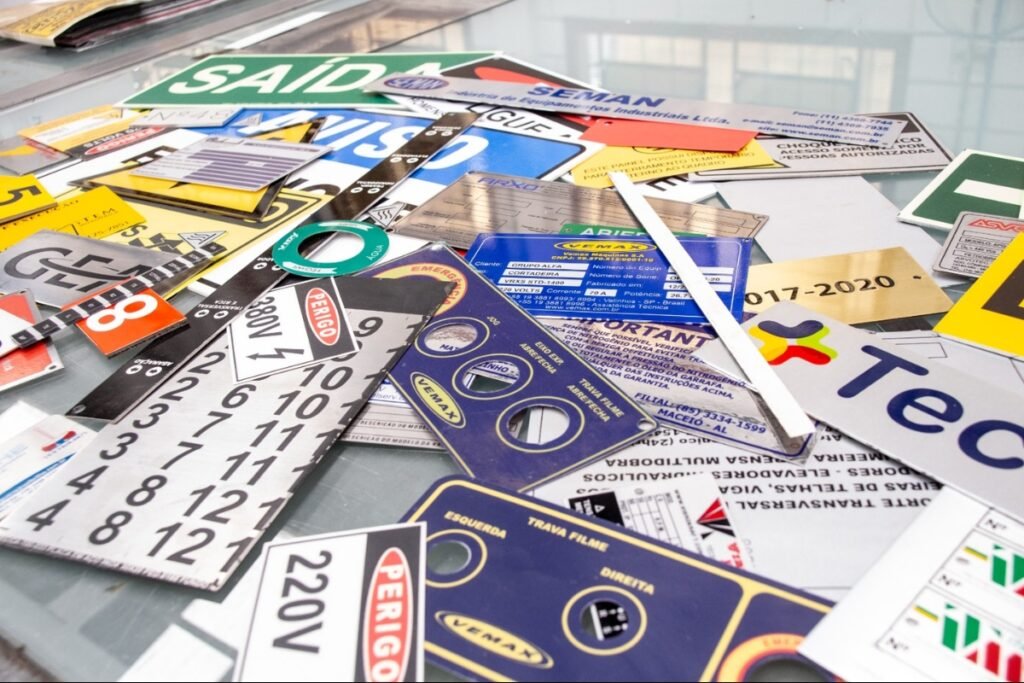
Did you know that there are different types of adhesives? Depending on their intended use, materials like vinyl, polyester, or polycarbonate may be more suitable. To clarify this common question among our customers, check out the main differences between these materials below.
Vinyl sticker
Material: Produced from a PVC film. Features: Flexible, resistant to water, chemicals and weather. Applications: Ideal for curved and irregular surfaces. Used in temporary applications or those requiring frequent replacement. It works well in both indoor and outdoor environments. Durability: Medium-sized, suitable for short or medium-term projects.
Polyester Adhesive
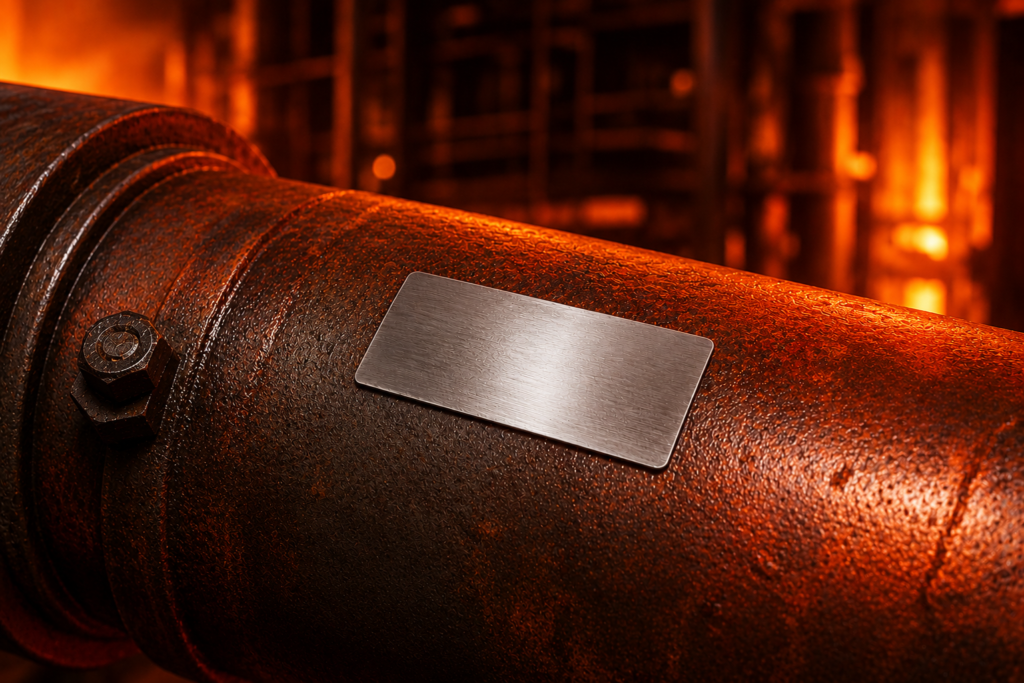
Material: Thermoplastic polymer. Features: High resistance to moisture, heat, and harsh chemicals. Maintains integrity under adverse conditions. Applications: Asset identification in hostile environments. Long-term projects that require high durability. Durability: Long, especially under harsh industrial conditions.
Polycarbonate Adhesive
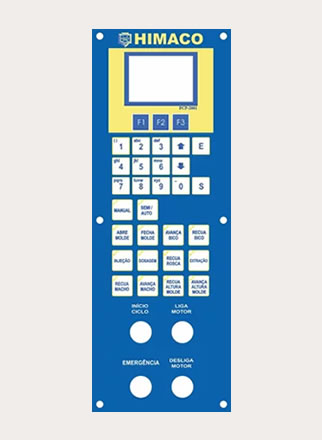
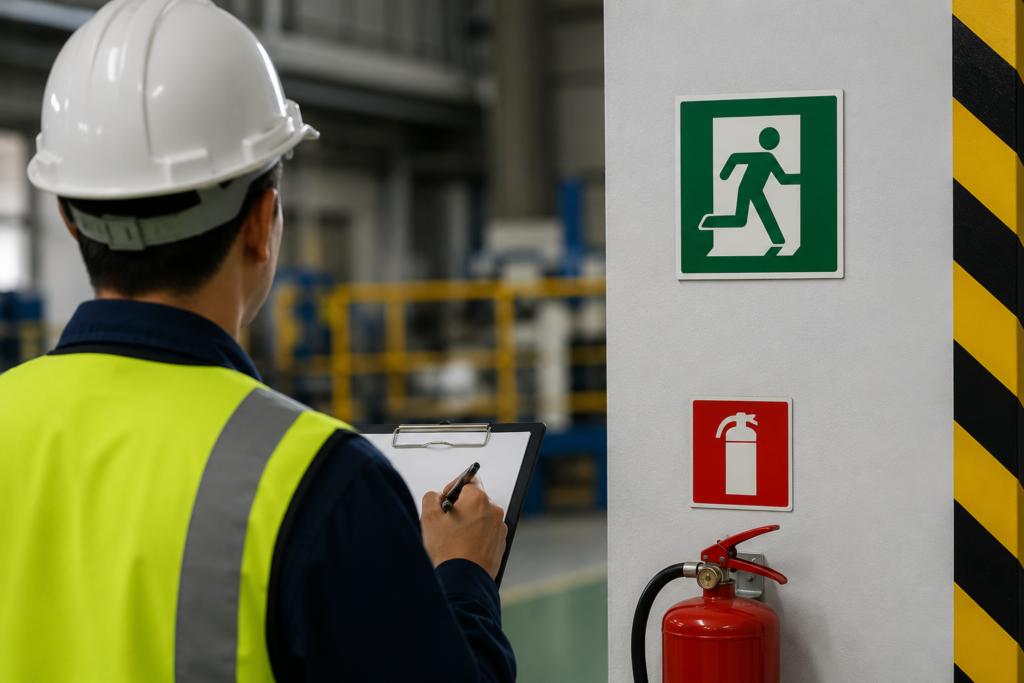
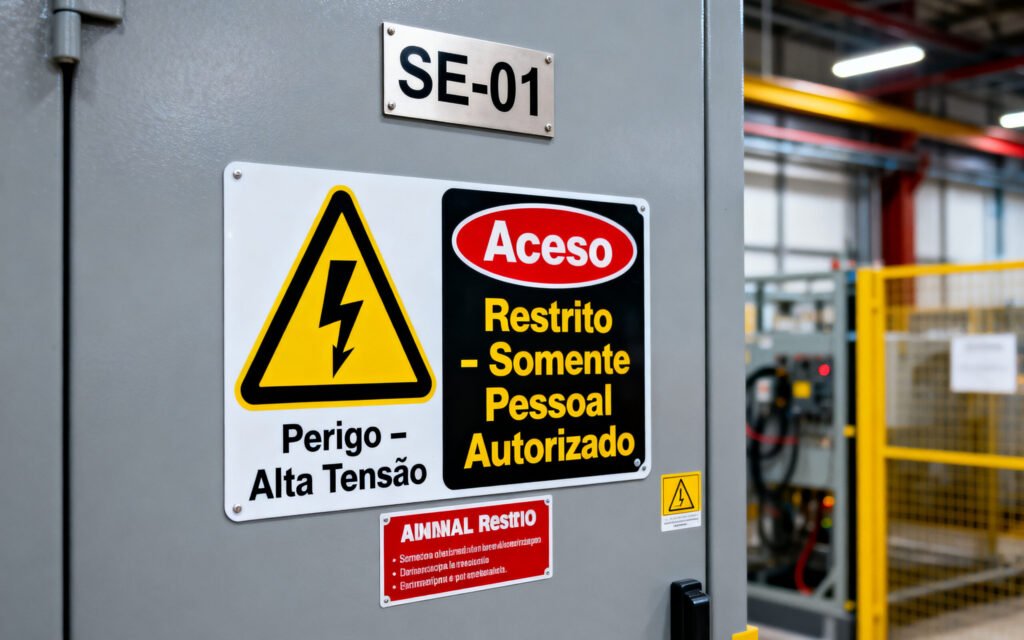
Material: Thermoplastic with high transparency. Features: Resistant to impacts and chemicals. It offers excellent optical transparency. Applications: Used for visual interfaces, such as control panels and safety labels. Recommended for high-durability industrial labels. Durability: Very long-lasting, capable of withstanding continuous use.
Summary of Differences
Vinyl: Flexible and suitable for short/medium term applications on a variety of surfaces. Polyester: More robust and durable, designed for harsh environments and prolonged use. Polycarbonate: Focused on high transparency, extreme durability, and specialized industrial use.
When choosing, take into account the environment, the duration of use, and the conditions to which the adhesive will be exposed.