Types of materials for commemorative plaques
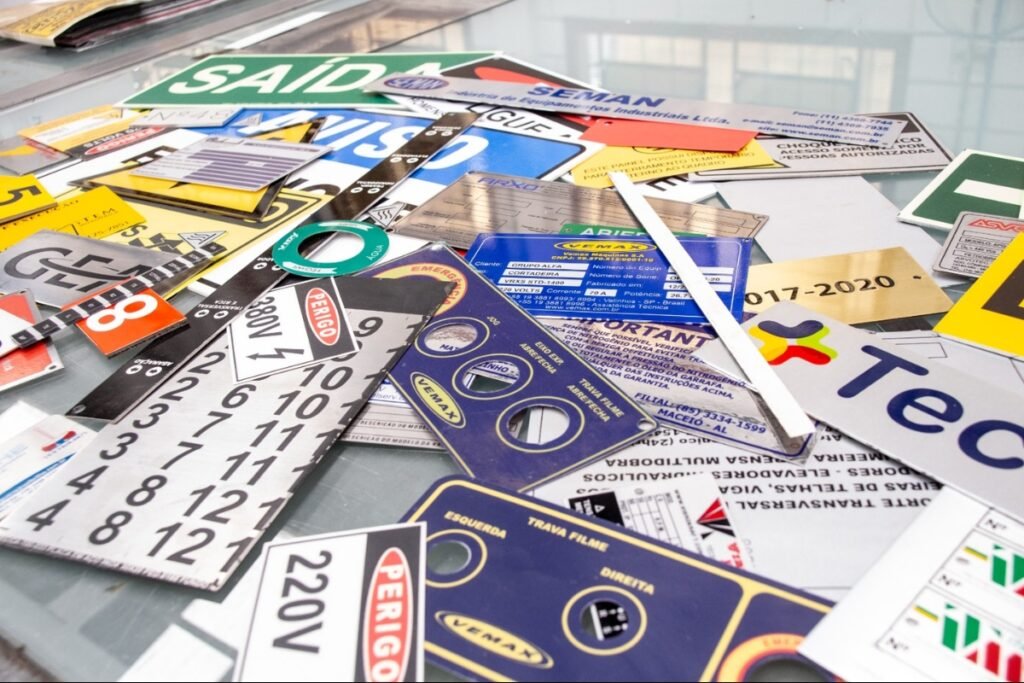
There are various types of materials used in making commemorative plaques, each with its own distinct characteristics in terms of durability, appearance, and cost. The choice of material generally depends on the purpose of the plaque, the environment in which it will be displayed, and the available budget. Here are some common materials for commemorative plaques:
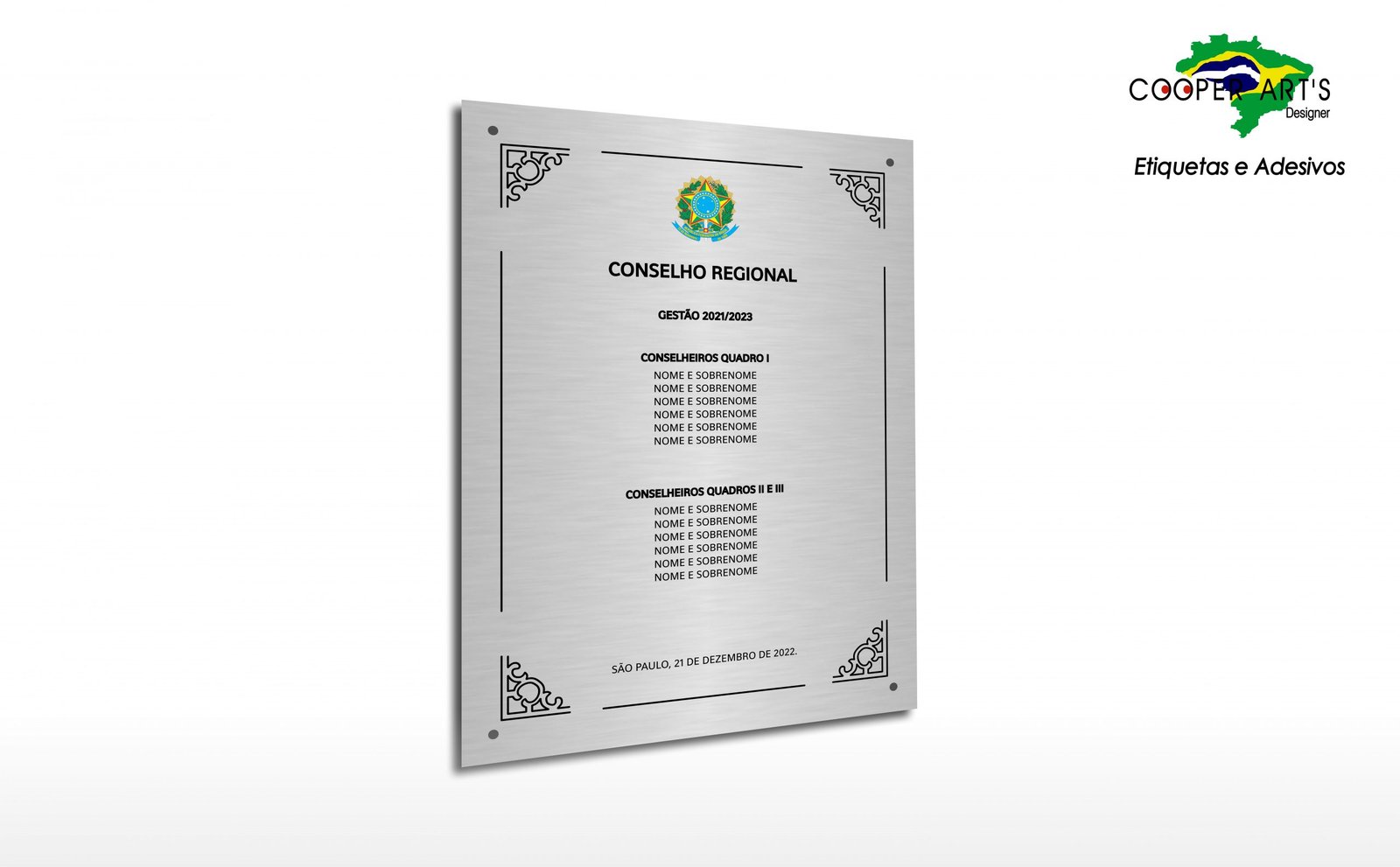
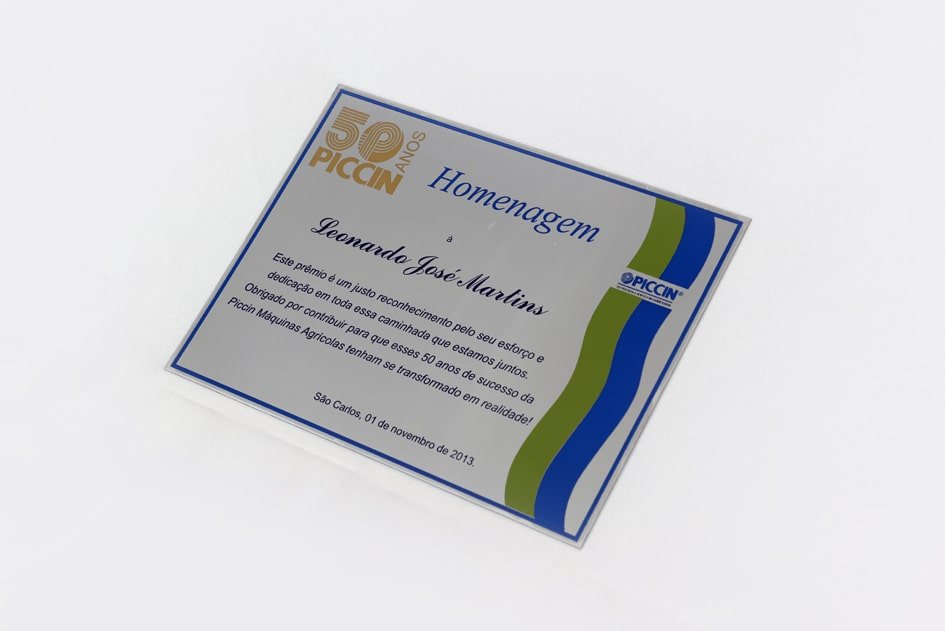
Engraved Metal:
Material: Usually aluminum, bronze, or brass.
Features: Durable, stylish, and weather-resistant. Deep engraving to highlight text and details.
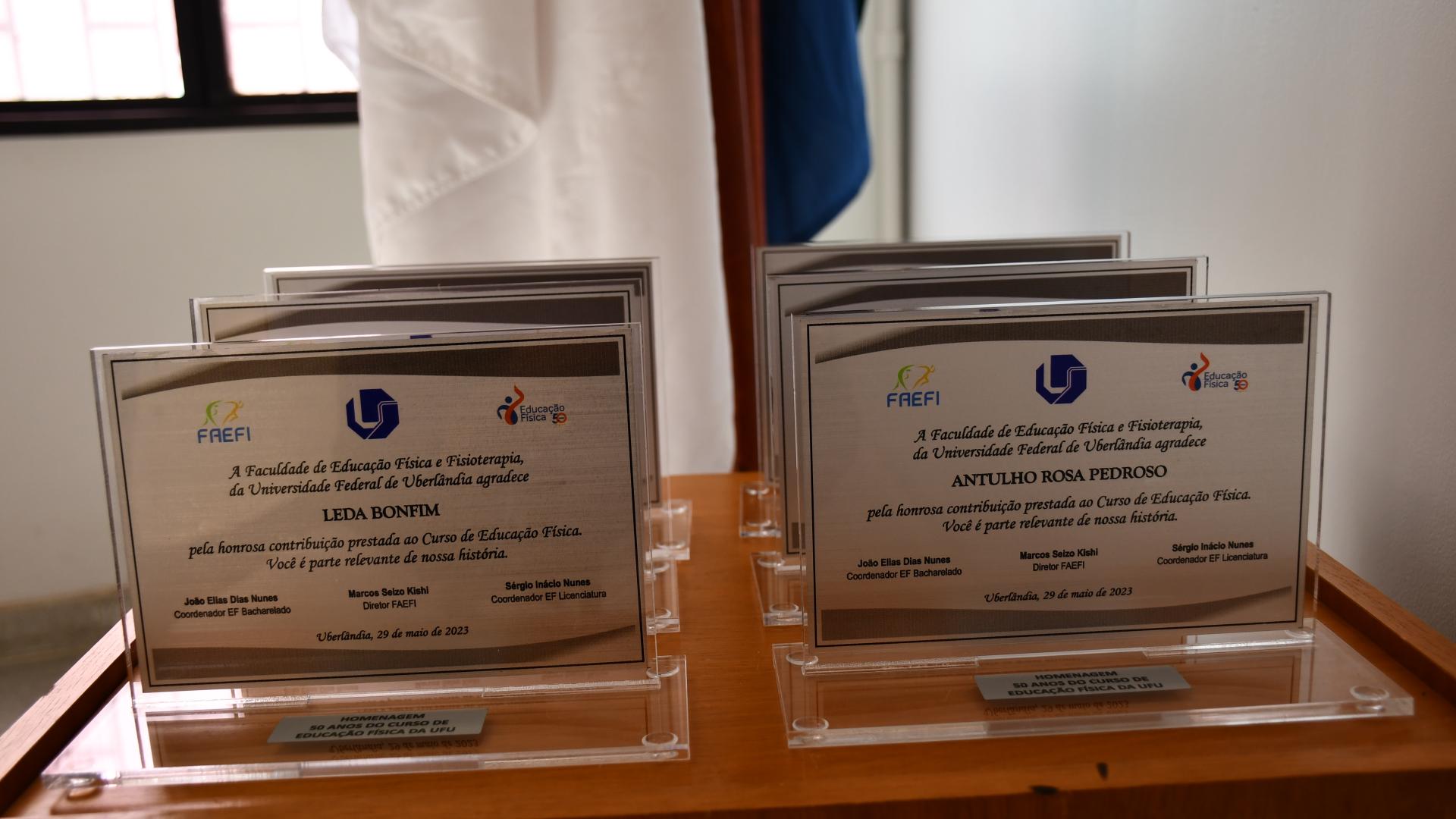
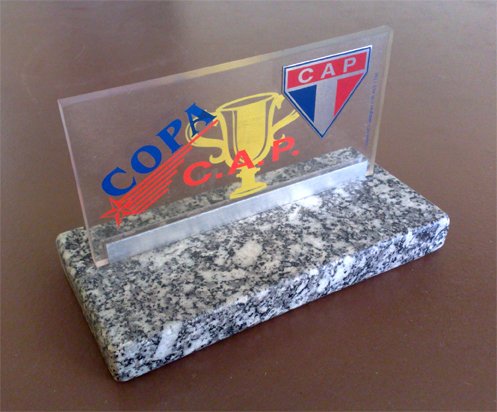
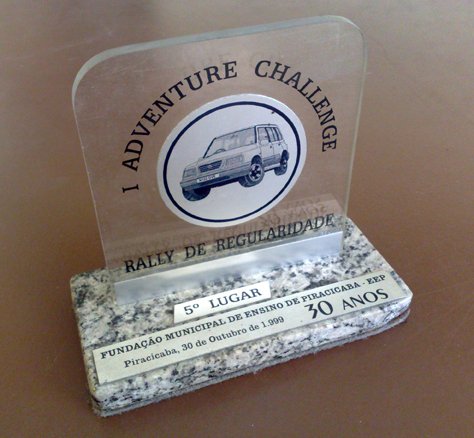
Engraved Acrylic:
Material: Transparent or colored acrylic.
Features: Lightweight, modern, and offers color options. Laser engraving for a crisp finish.
Engraved Wood:
Material: Natural wood or plywood.
Features: Rustic and traditional. Laser engraving or CNC cutting for precise details.
Engraved Crystal or Glass:
Material: Glass or transparent crystal.
Features: Elegant and sophisticated. Laser engraving for a three-dimensional effect.
Engraved Marble or Granite:
Material: Natural marble or granite.
Features: Luxurious and durable. Deep engraving for a long-lasting finish.
Glazed Ceramics:
Material: Glazed ceramic.
Features: Durable and available in vibrant colors. Ideal for decorative plaques.
Expanded PVC (Foamboard):
Material: Lightweight and durable plastic.
Features: Economical, lightweight, and easy to cut. Ideal for temporary signs or events.
Fused Glass:
Material: Layers of fused glass.
Features: Creates an artistic and unique look. Can include various colors and textures.
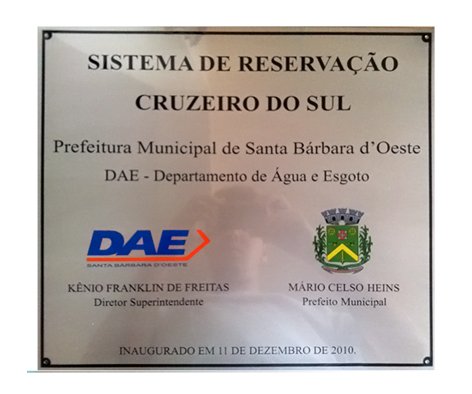
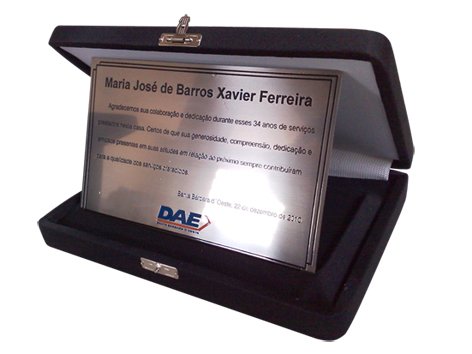
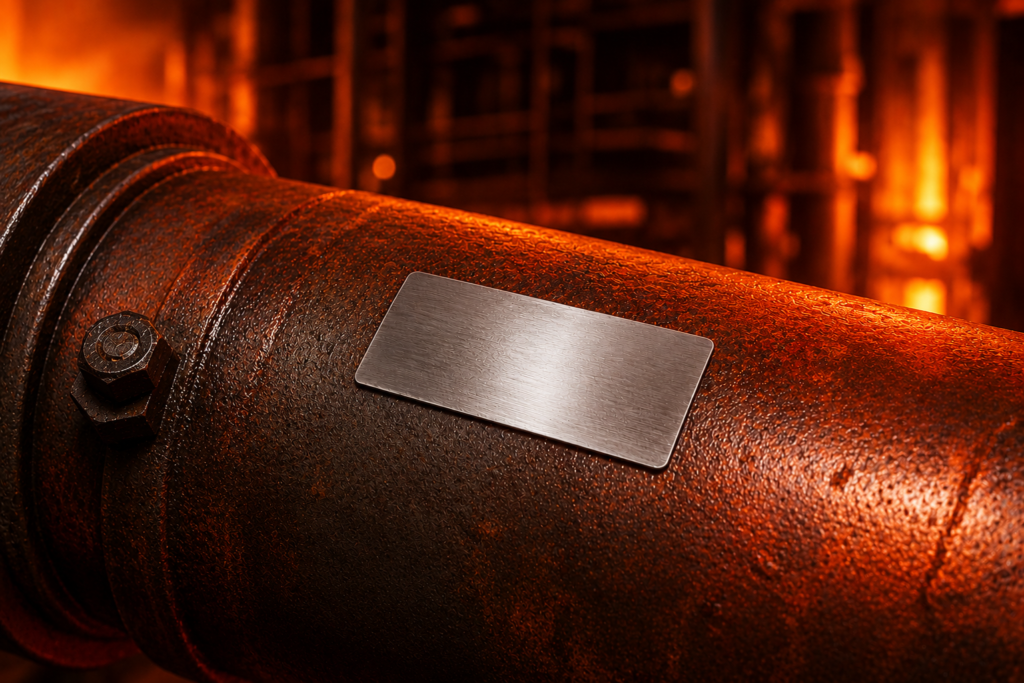
Stainless steel:
Material: Stainless steel.
Features: Corrosion resistant and durable. Ideal for outdoor environments.
Acrylic Stone:
Material: Composite material made of natural stone and acrylic.
Features: Combines the durability of stone with the versatility of acrylic. Ideal for high-quality plaques.
High-Density Polymer (HDU):
Material: Durable synthetic foam.
Features: Lightweight, durable, and easy to carve. Ideal for carved or embossed plaques.
When choosing materials for commemorative plaques, it's important to consider factors such as desired durability, intended aesthetics, display location, and available budget. Guidance from a professional or signage specialist can be invaluable in selecting the most suitable material to meet your specific needs.