Many people are probably unaware of this process, which is regularly used in the treatment of aluminum plates.
Well, anodizing is an electrochemical process used to increase the thickness of the natural oxide layer that forms on the surface of aluminum, creating a harder protective layer that is more resistant to corrosion, abrasion, and wear.
This process is widely used for treating aluminum plates, sheets, and parts, and aims to increase the resistance and adhesion of paints in future processes.
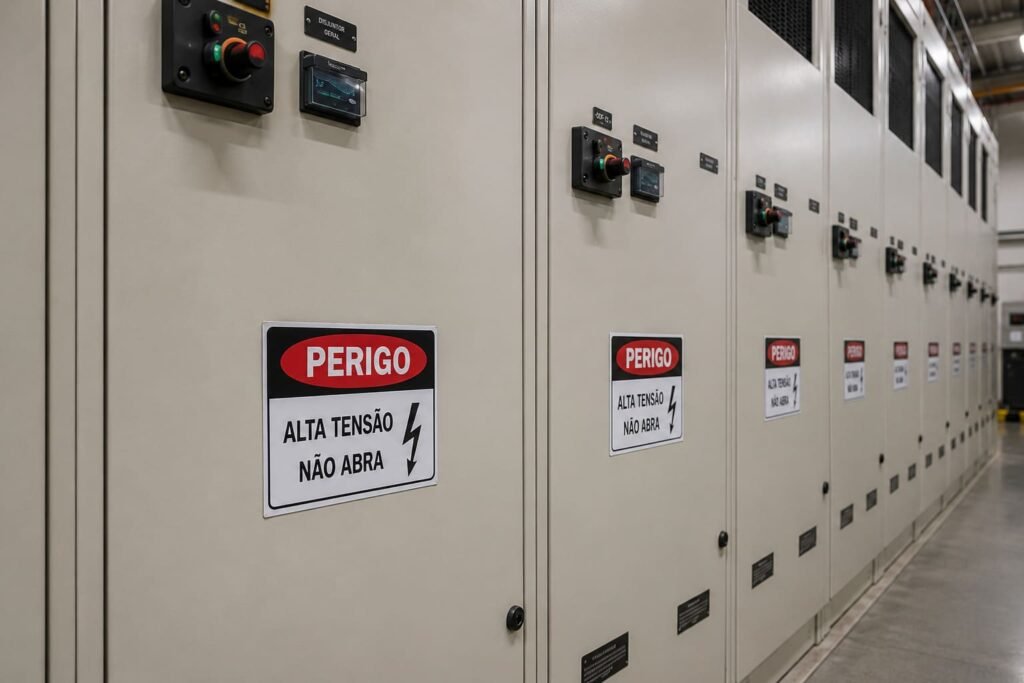
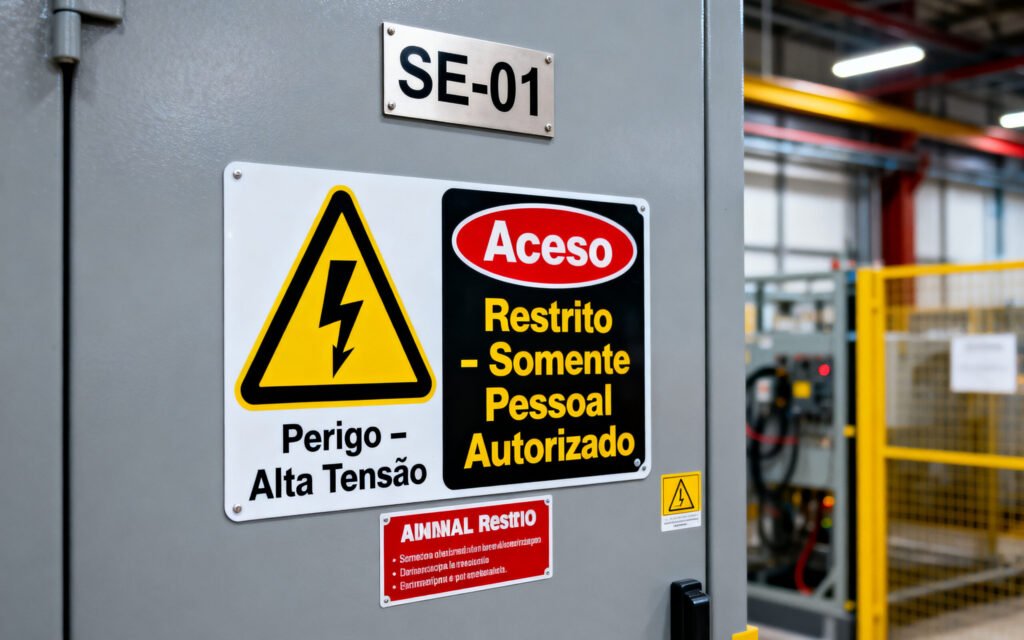
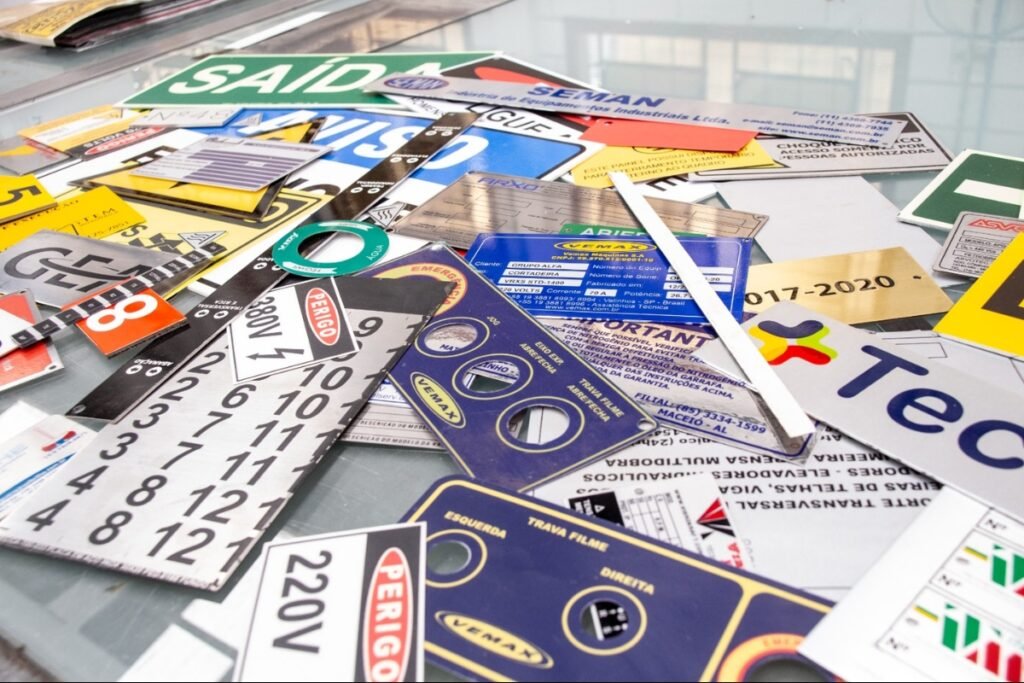
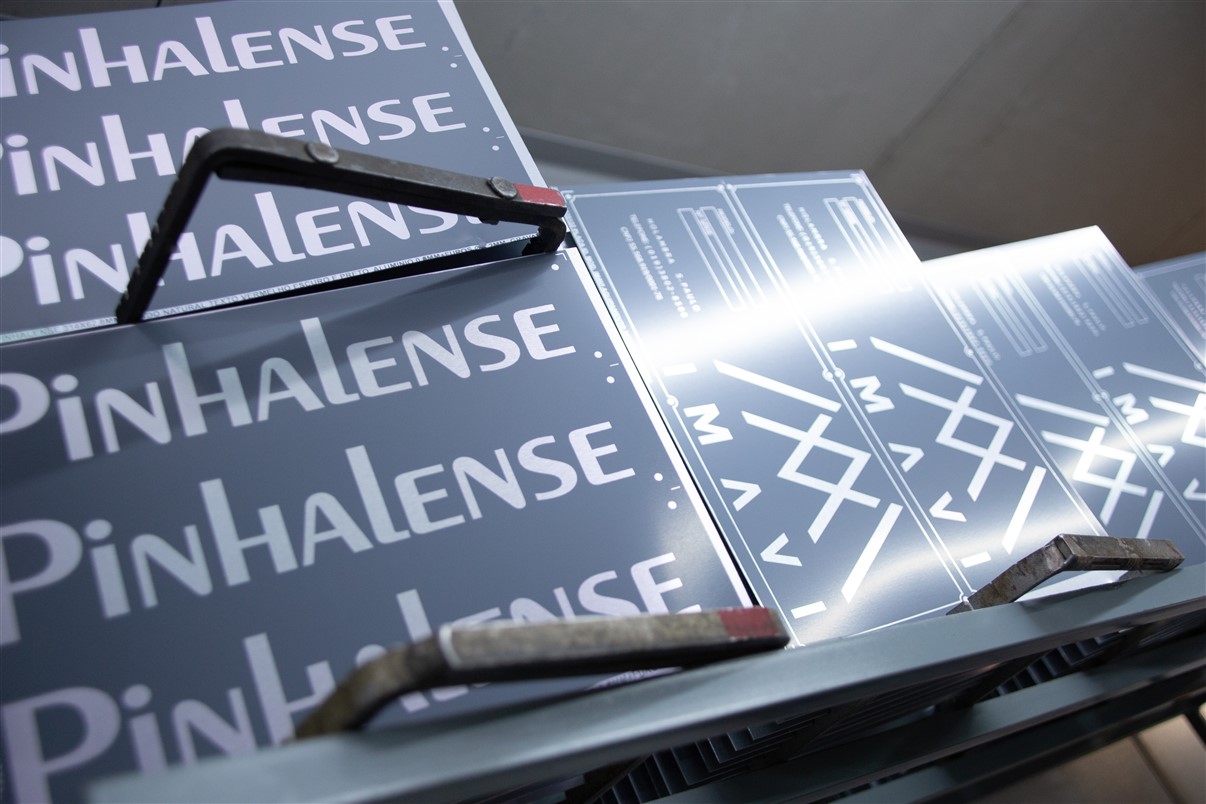
Regarding the segment of signage produced in aluminum, anodizing also helps protect the paint used on the signs, making it more resistant to fading and wear.
First, the surface must be cleaned with a suitable solvent to remove any grease. Isopropyl alcohol, acetone, or a specialized cleaner for metal surfaces can be used.
The second step is to rinse the surface with clean water to completely remove the solvent and any residue.
The third step is to dry the surface using an oven, a clean cloth, or naturally in the air.
Next, it will be possible to apply the aluminum coating.
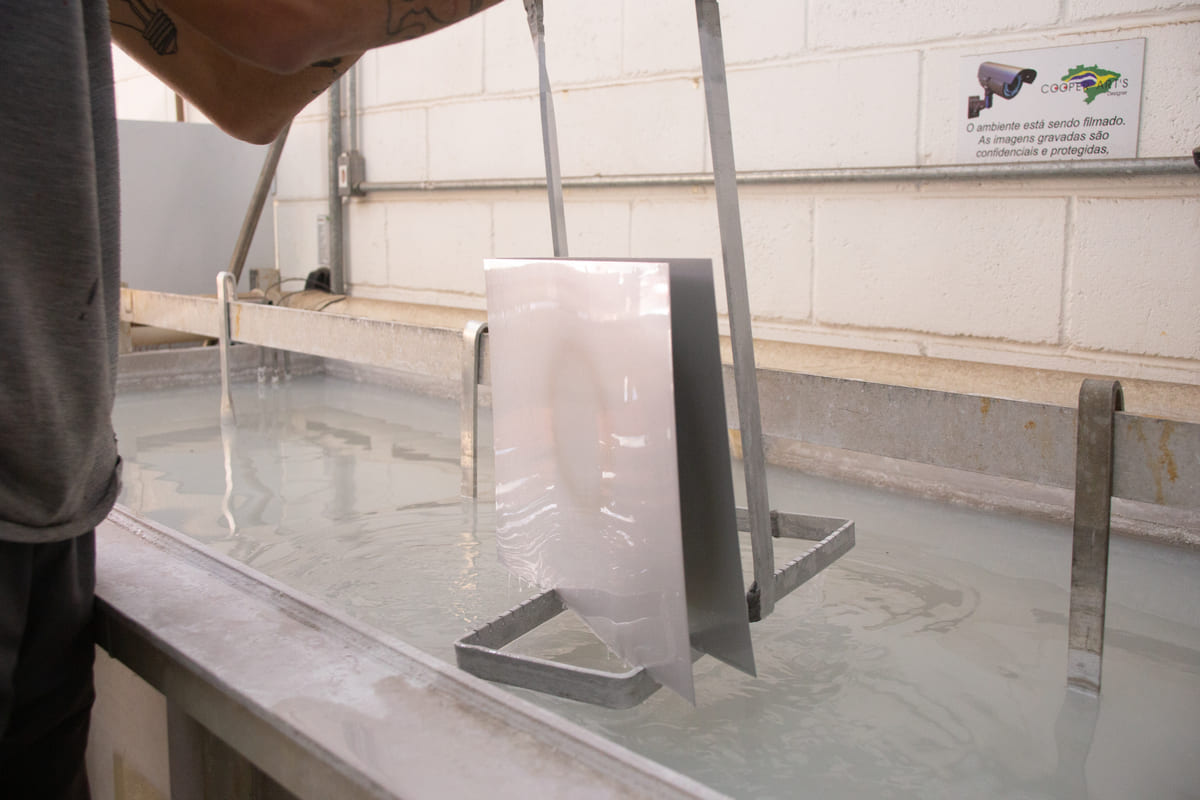
through the immersion of the aluminum part in an acidic electrolytic solution, which is then subjected to an electric current.
This causes the aluminum surface to oxidize, forming a layer of aluminum oxide on the surface of the part.
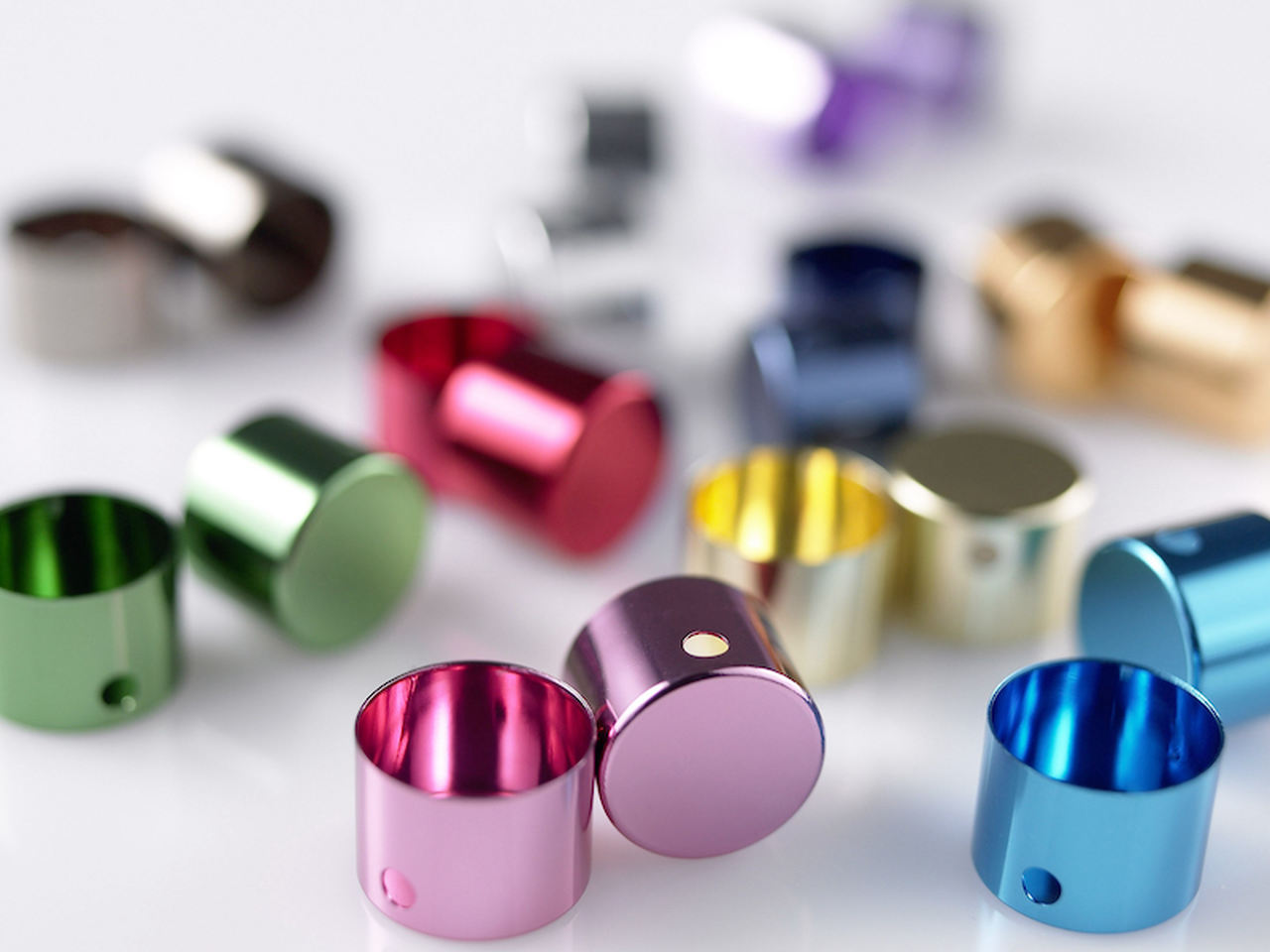
The thickness of the oxide layer can be controlled by the duration of the anodizing process, and the color of the layer can be altered by adding dyes.
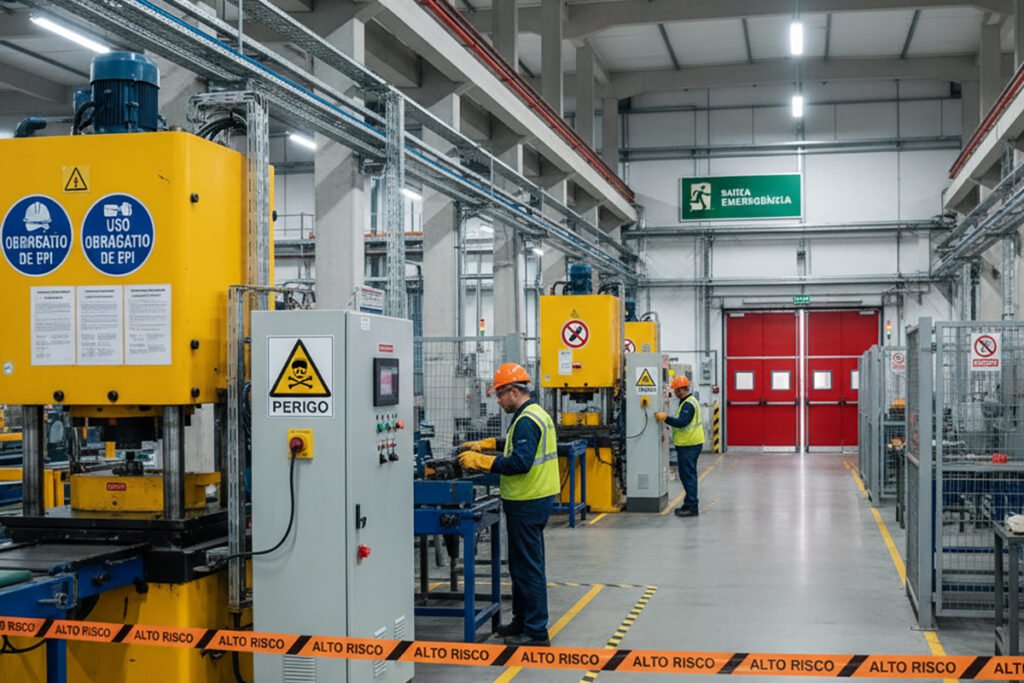
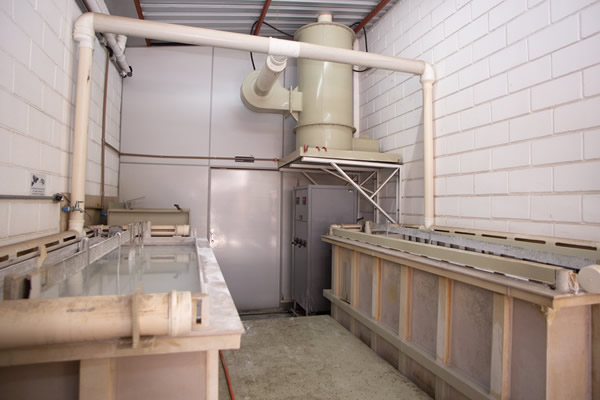
This process must follow strict safety precautions for handling solvents and chemical coatings. The use of personal protective equipment, such as gloves and safety glasses, is essential. The work must be carried out in a well-ventilated area.

Anodizing is widely used in industry due to its corrosion protection properties, as well as being an aesthetic technique for coloring aluminum parts.
In addition to signage, anodized parts are used in a wide variety of products, such as household goods, bicycle and automobile parts, electronic equipment, and even jewelry.


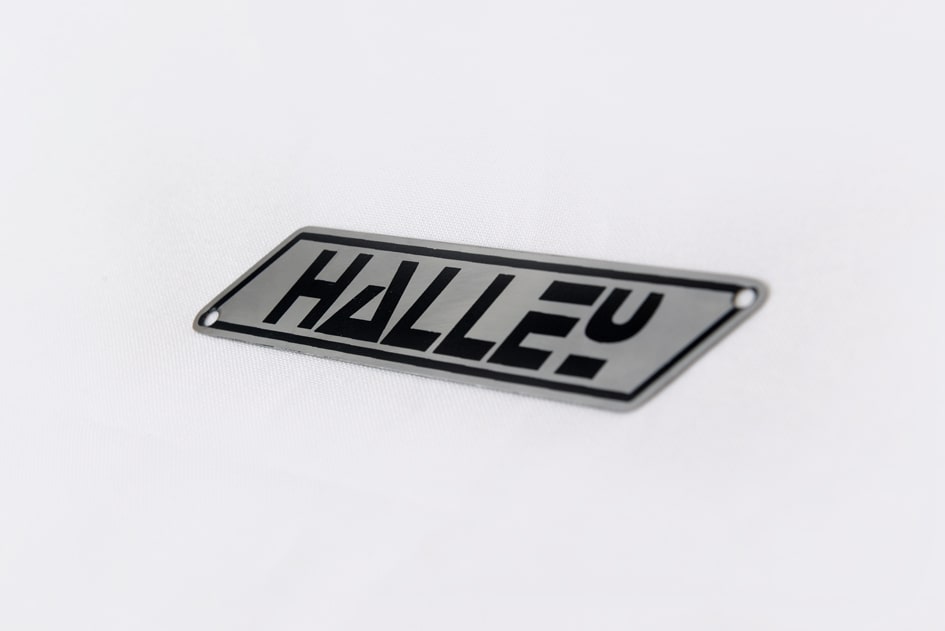
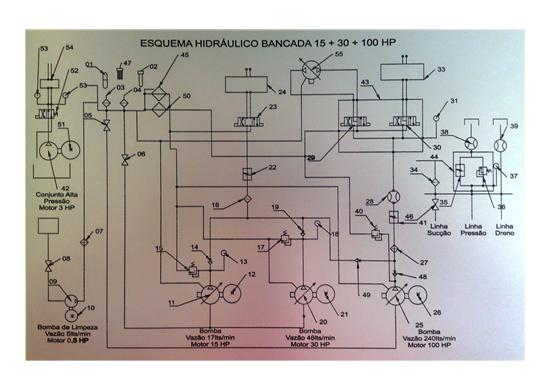
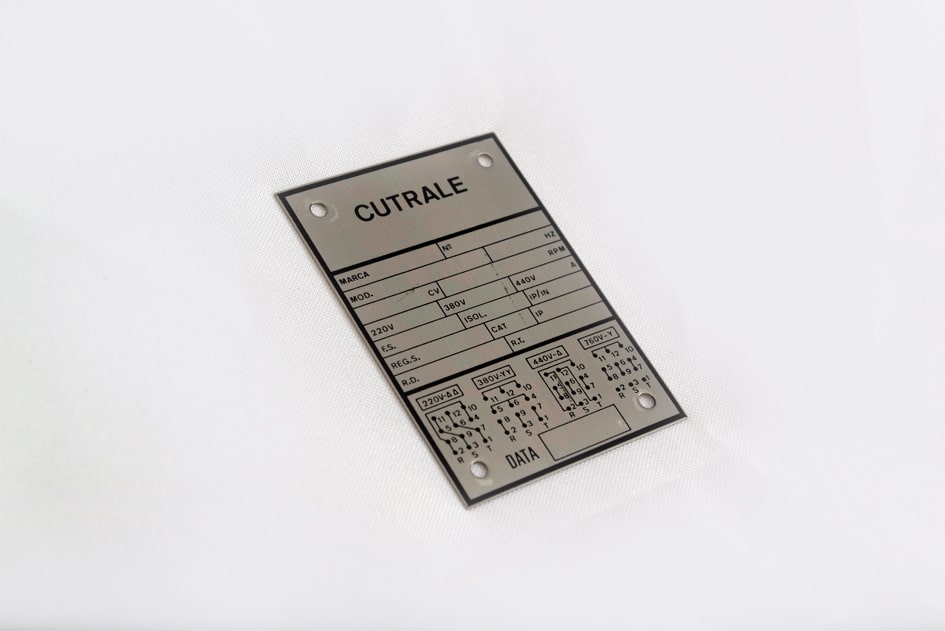
Types of products that undergo the Anodizing process
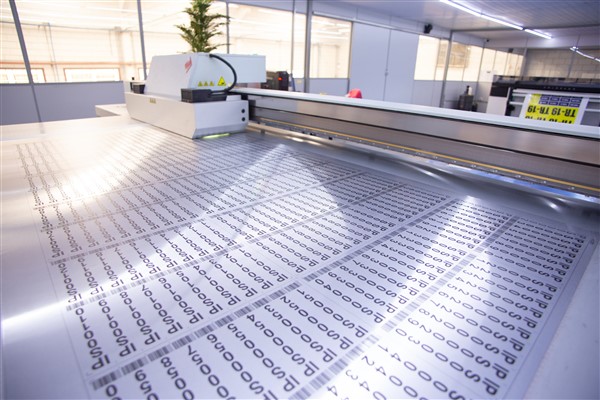
At Cooperarts, all projects involving aluminum as a raw material undergo the anodizing process.

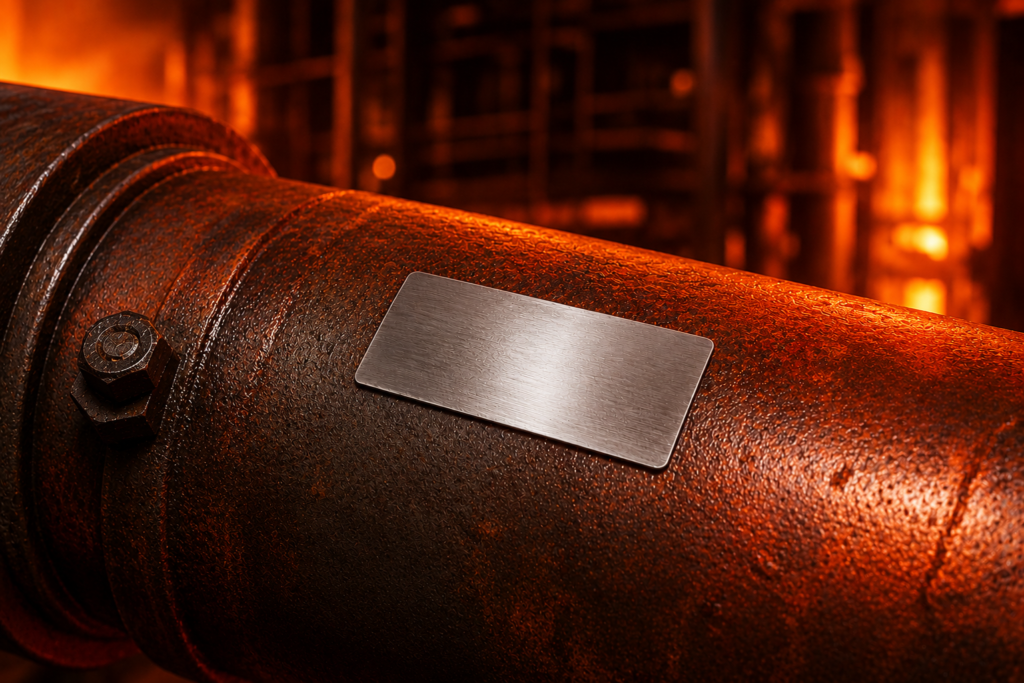
In other words, for applications subject to exposure to high temperatures, humidity, corrosive substances, and harsh weather, anodizing is necessary.
In other words, for applications subject to exposure to high temperatures, humidity, corrosive substances, and harsh weather, anodizing is necessary.
Choosing processes that are suitable for these conditions and that offer the necessary resistance is fundamental.