Crystal and Textured Polycarbonate: What's the Difference?
The main difference between signs and labels made of crystal polycarbonate e textured polycarbonate It lies in the appearance, surface finish, and specific functions that each material offers. While both share the advantages of polycarbonate, such as durability and strength, their applications may vary based on the needs for transparency, scratch resistance, and reflections.
1. Crystal Polycarbonate Plates and Labels
SurfaceCrystal polycarbonate has a surface smooth and transparent, Similar to glass, it allows for high visibility of what is behind the plate or label. This gives a clear and bright appearance without distortion.
VisibilityDue to its transparency, it is often used where clarity is essential, such as in places where information needs to be clearly visible or when it is important that the background is visible.
Applications:
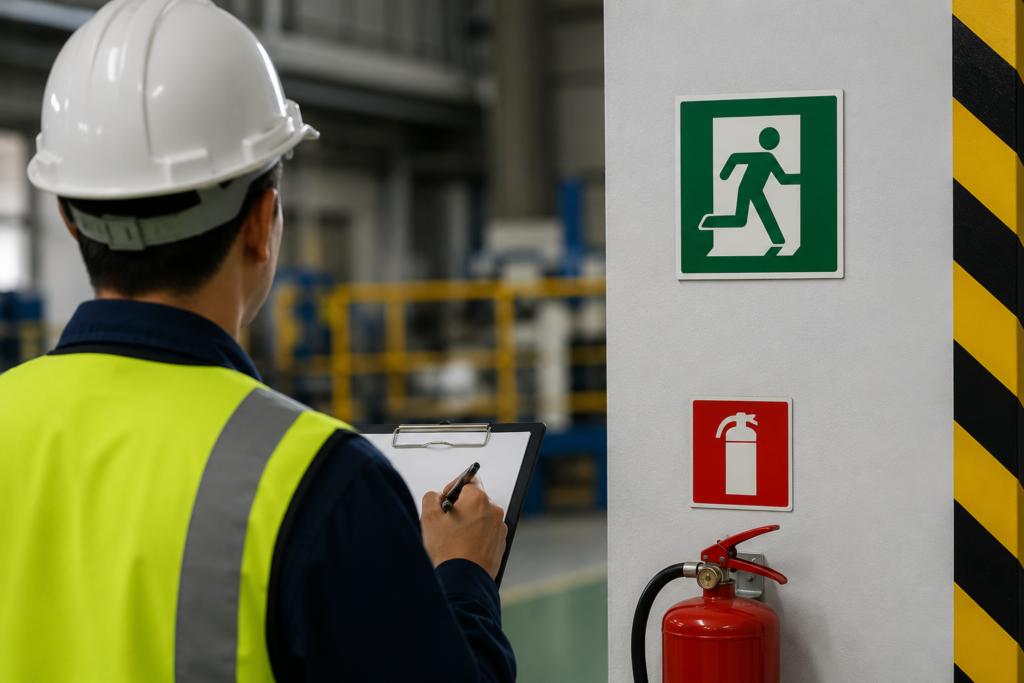
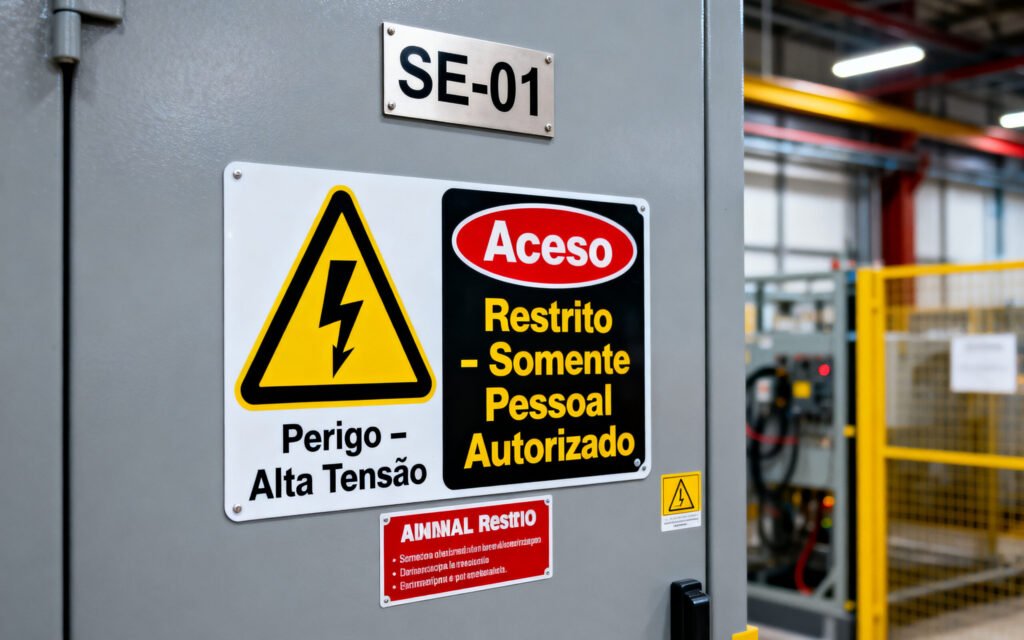
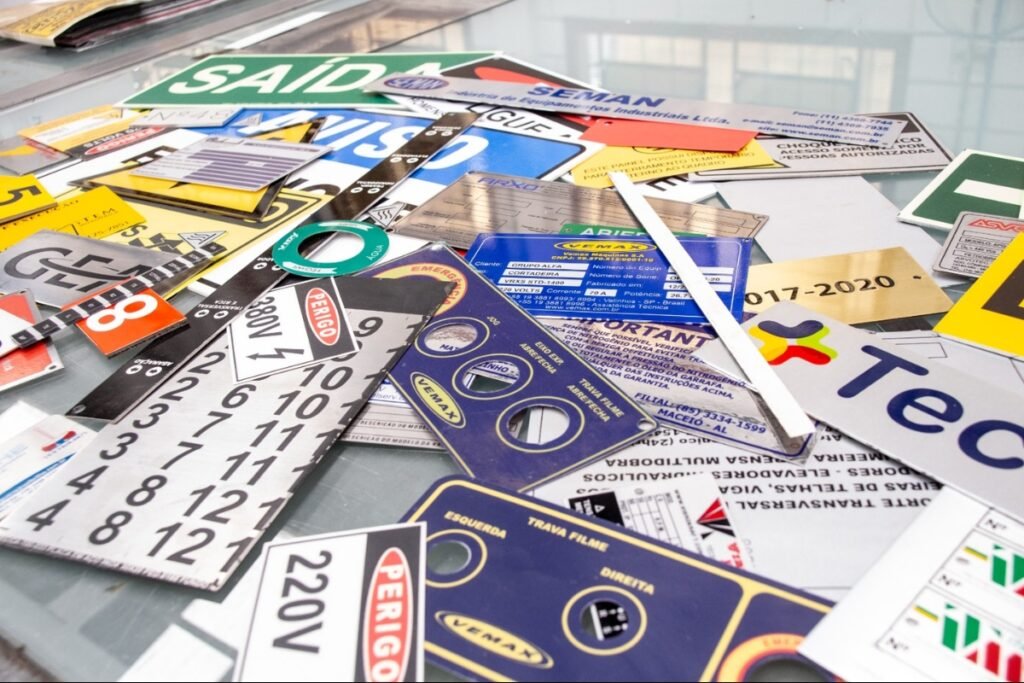
Information signs: Used in locations where it is important that the content (text or symbols) be visible without interference, such as in safety signs or operational instructions.
Visual protection labels: Applied to labels that need to be visually accessible without obstruction, such as on safety equipment and shop windows.
Electronic panel coversIn locations where it is desired to protect displays and touchscreens without blocking visibility, crystal polycarbonate is preferred.
Reflections and ShineThe smooth finish can create reflections in brightly lit environments, which may make reading difficult in some cases.
Risk ResistanceAlthough durable, the smooth surface of crystal polycarbonate is more susceptible to scratches, which can affect its appearance over time.
2. Textured Polycarbonate Plates and Labels
SurfaceTextured polycarbonate has a surface matte or grainy, which diffuses light and reduces reflections. It is less shiny and does not offer the transparency of crystal polycarbonate.
Scratch ResistanceDue to their texture, these plates and labels are more resistant to wear and scratches, making them ideal for locations with a lot of physical contact or abrasion.
Applications:
Machine control labelsWidely used in control panels and buttons for industrial machines, where wear resistance and legibility are important.
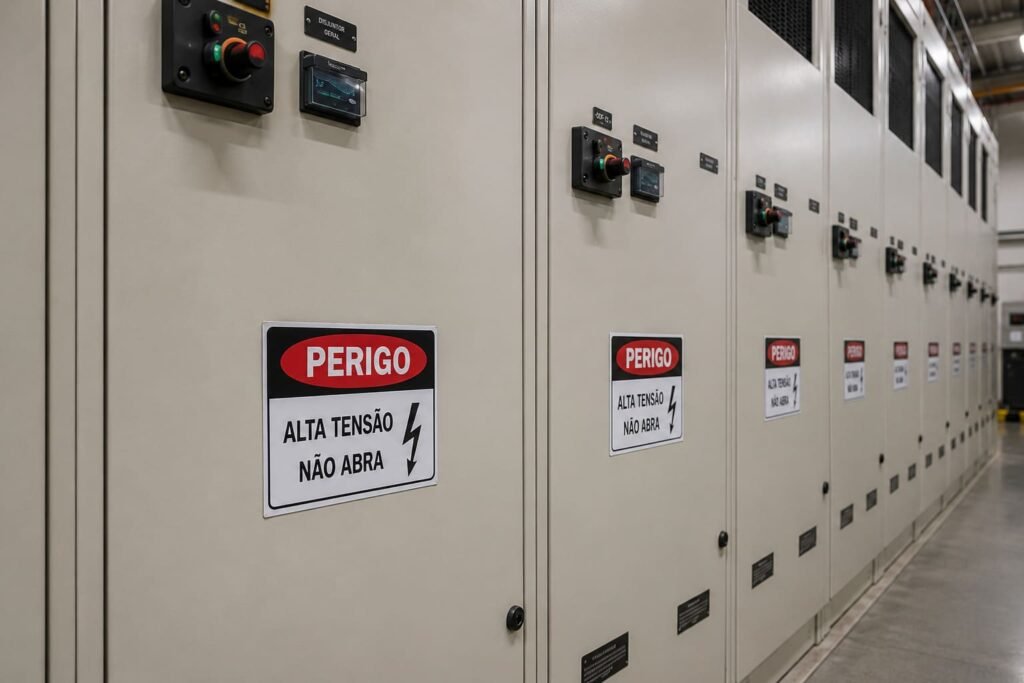
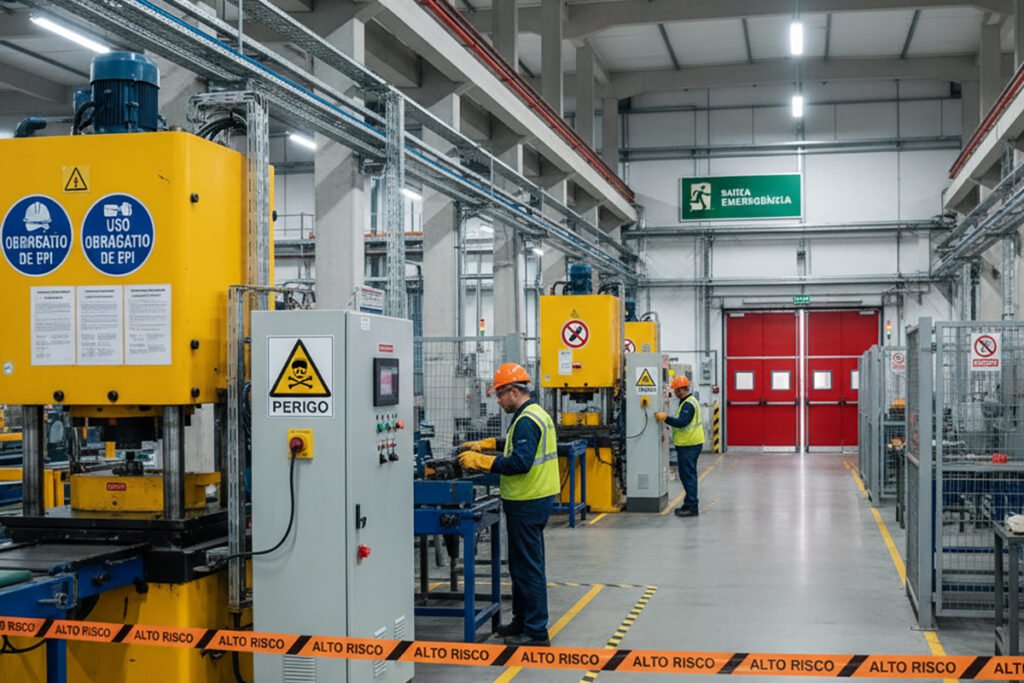
Warning and safety signsSignage that needs to be clearly visible in bright environments, such as "Caution: Hot Surface" or "Emergency Stop" labels, as the texture reduces reflections.
Operational panelsSurfaces that require constant contact, such as membrane keyboards and button panels, benefit from the durability of the texture.
Visibility and ReflectionsThe matte surface helps prevent glare in brightly lit environments, improving readability in various lighting conditions.
Industrial AppearanceDue to their rougher finish, textured polycarbonate labels and plates tend to have a more robust aesthetic, making them suitable for industrial environments.
Usage Considerations:
Crystal Polycarbonate It is ideal for locations where visibility and clarity are essential, but may not be suitable for brightly lit environments or areas of constant contact, due to its tendency to scratch and generate reflections.
Textured Polycarbonate It is best suited for industrial and high-demand environments where a wear-resistant and easy-to-read surface is important, even under bright light.
Conclusion:
The choice between crystal polycarbonate e textured polycarbonate The choice of signs and labels depends on the environment and specific needs. crystal polycarbonate It is more appropriate for applications that require high transparency and a cleaner aesthetic, while the textured polycarbonate It is best suited for industrial environments where wear resistance and glare reduction are essential.