Check out our detailed content.

Plates and Labels for Cargo Transportation

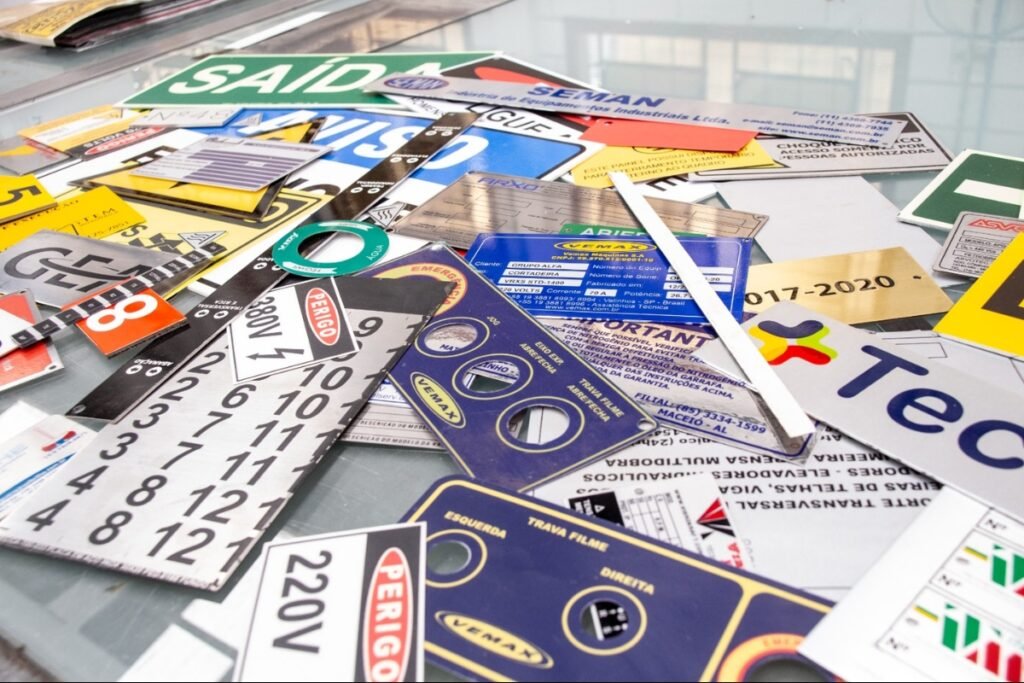
The importance of signage and identification labels in the transportation of goods and products is significant for several aspects related to safety, operational efficiency, and regulatory compliance. Here are some key points that highlight the relevance of these elements:

Signage for Cargo Transportation

Vehicle Identification Plates:

These plates provide basic information about the vehicle, such as the registration number, company name, and other necessary identifying information.

Maximum Allowed Weight Plates:

They indicate the maximum weight the vehicle can carry, including cargo and the vehicle itself. These plates are essential to ensure compliance with weight regulations.

Plate Dimensions:

They provide information about the vehicle's dimensions, such as height, width, and length. These plates help prevent accidents, especially on overpasses or bridges with limited height.

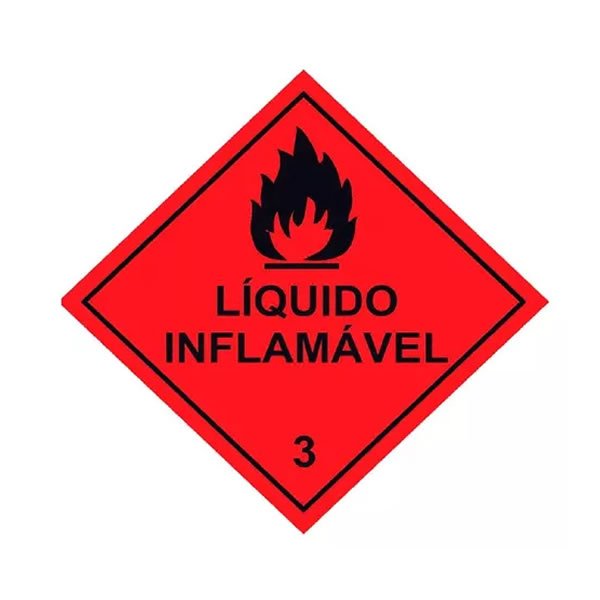
Dangerous Goods Signs:

They include hazard labels and specific information about the nature of the cargo. These labels warn of the presence of hazardous substances and are crucial for safety and emergency response.

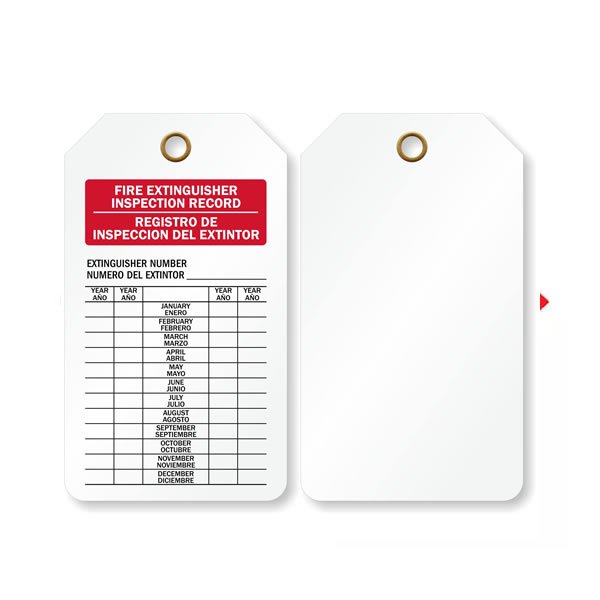
Fire Extinguisher Signs:

They indicate the location and type of fire extinguisher on board the vehicle. These plates are essential for a quick response in case of fire.

First Aid Signs:

They provide information about the location and contents of the first aid kit in the vehicle. They contribute to a quick response in medical emergencies.

Proper Handling Labels:

Applied directly to cargo packaging, these labels provide instructions on the proper handling of the goods. They may include information such as "Fragile," "This Side Up," and other specific instructions.

Perishable Cargo Labels:

Used for temperature-sensitive cargo, these labels indicate that the cargo is perishable and requires special transport conditions.

Illuminated Signage Labels:

In vehicles transporting large or exceptionally large loads, illuminated labels are used for nighttime visibility. These may include flashing lights or reflectors.

Signage in cargo transportation is essential to ensure the safety of everyone involved, comply with regulations, promote operational efficiency, and minimize negative impacts on health, the environment, and the integrity of the goods being transported. Therefore, it is crucial that drivers, logistics operators, and traffic authorities are aware of the importance and correct application of signage in the context of cargo and goods transportation.

Product/Merchandise Identification Labels:

Identification labels for transporting goods are essential for providing crucial information about the cargo, enabling proper handling, facilitating traceability, and ensuring compliance with specific regulations. Here are the most common types of identification labels used in the transportation of goods:

Content Label:

Identify the contents of the package or box. May include a general description of the merchandise.
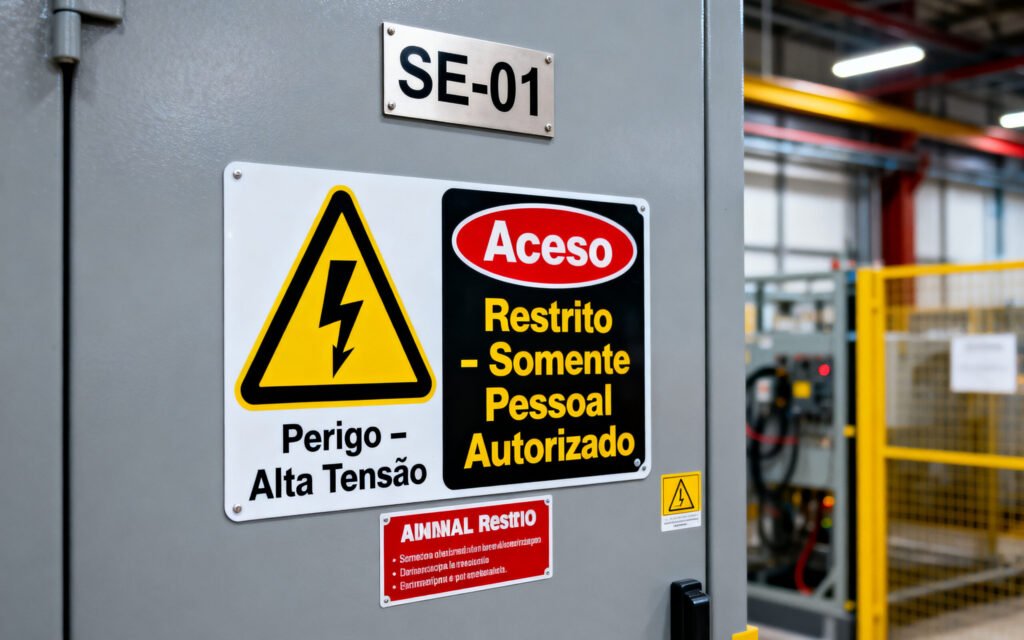
Weight Label:

This indicates the weight of the package or cargo. This information is crucial to ensure compliance with regulatory weight limits.

Proper Handling Label:

It provides specific instructions on how to handle the cargo, including information such as "Fragile," "Handle with Care," or "This Side Up.".

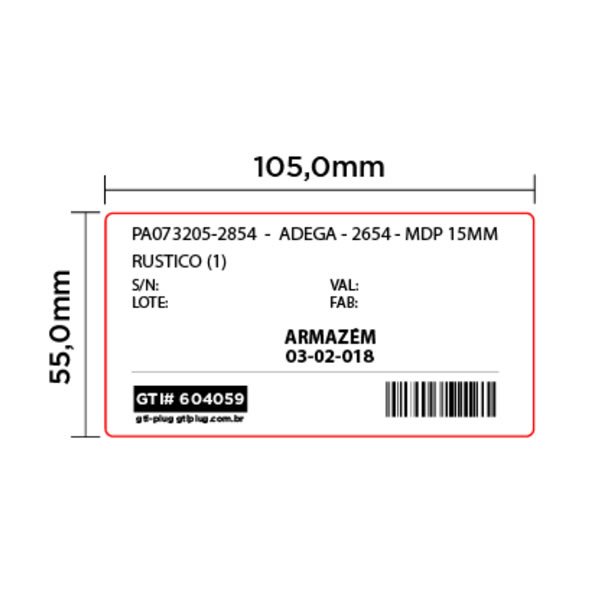
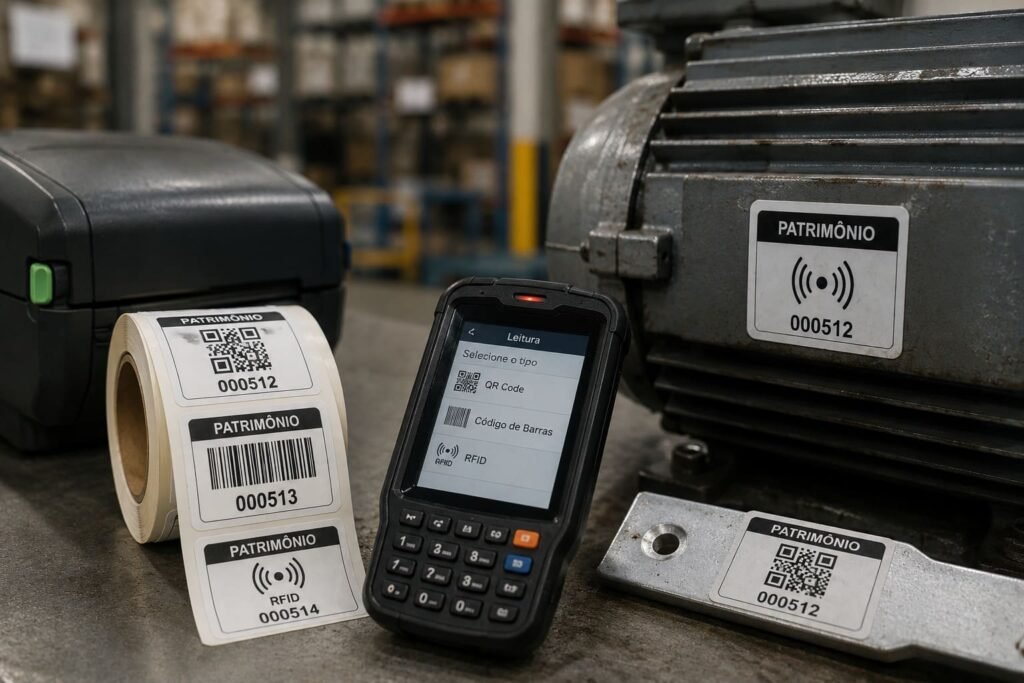
Traceability Label:

It includes barcodes, QR codes, or other unique identifiers that facilitate tracking the merchandise throughout the logistics chain.

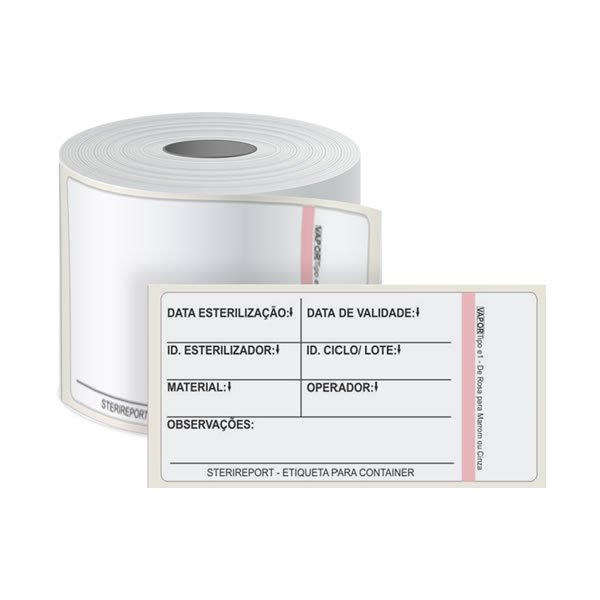
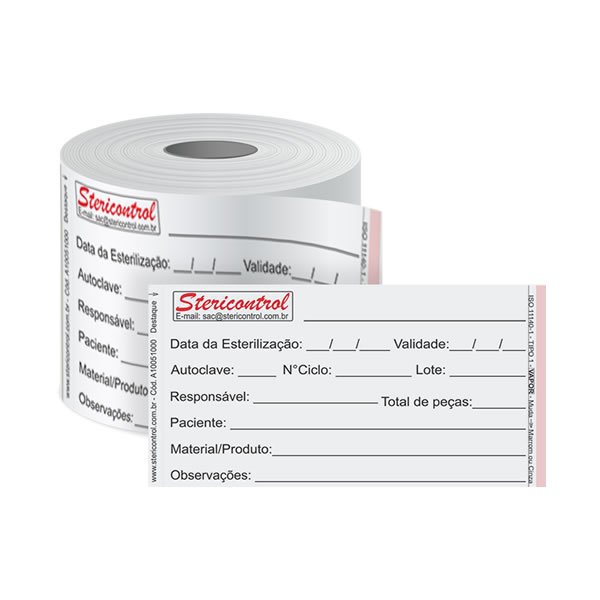
Expiration Date Label:

Essential for perishable goods, it indicates the expiration date or the manufacturing date.

Dangerous Goods Label:

For hazardous materials, hazard labels and specific information about the nature of the hazard must be present on the label.

Lot Number Label:

Used to identify goods from a specific batch or lot.

Contact Information Label:

Includes contact information for the sending and/or receiving company to facilitate communication if needed.

Destination Label:

This label indicates the delivery location for the merchandise. It is crucial to ensure correct delivery.

Label indicating special storage conditions:

For goods that require special storage conditions, such as temperature control, this label provides important information.

Inspection Notification Label:

It can be used to indicate that the cargo has been inspected and complies with regulations.

Environmental Care Label:

For products that have an environmental impact, this label may include information about recycling and proper disposal.

The efficient combination of signage and identification labels contributes to safety, compliance, and efficiency in the supply chain. Ensuring the correct application and maintenance of these elements is fundamental for the safe and effective transportation of goods and merchandise.