Innovations in Safety Signage: How the Industry is Embracing Digitalization
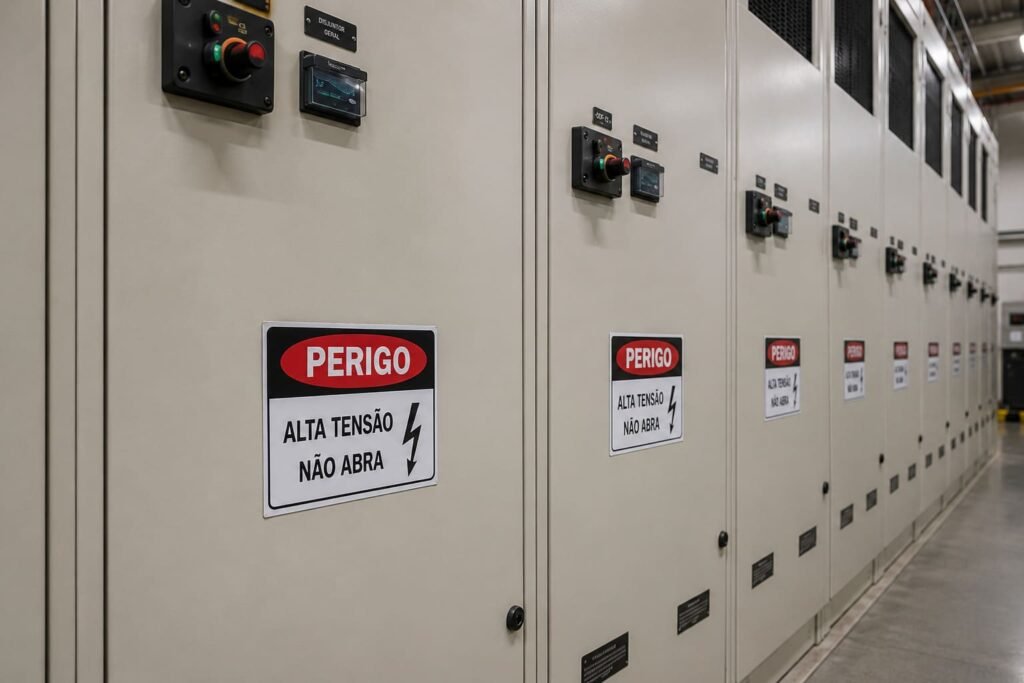
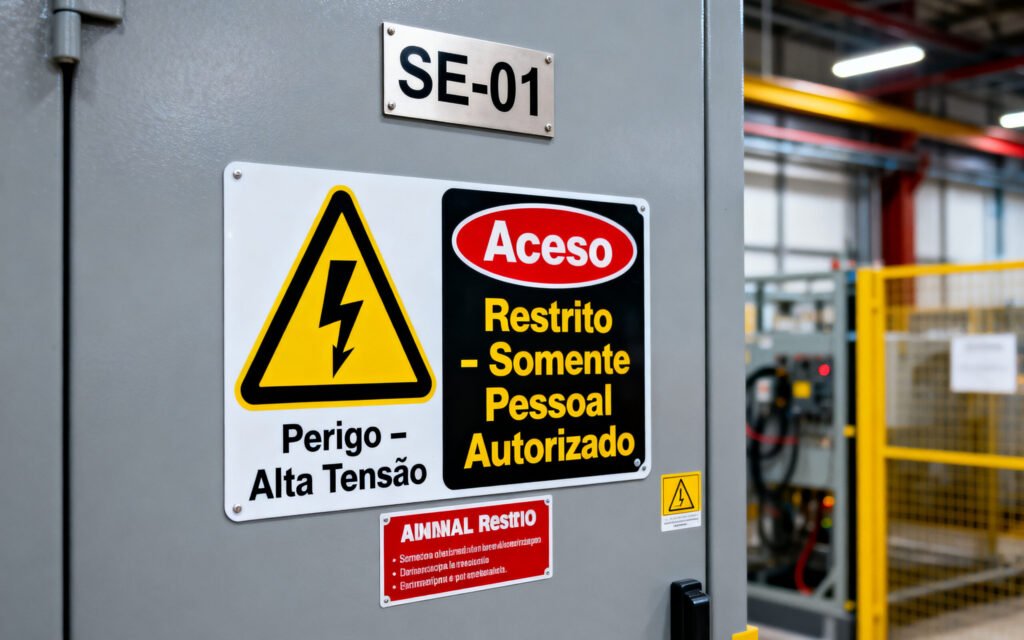
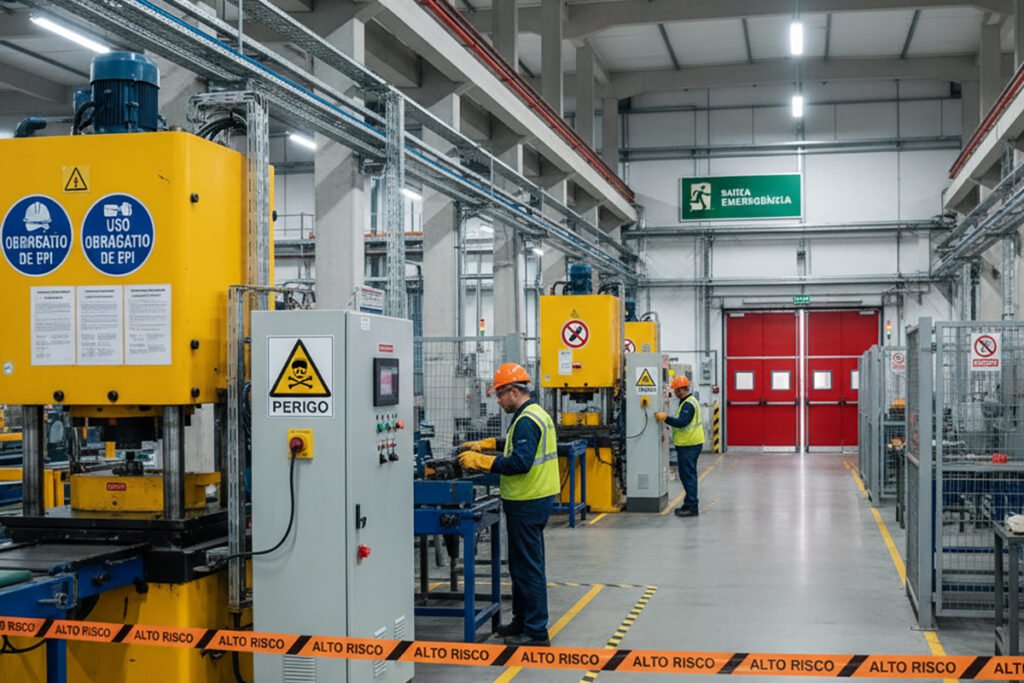
A safety signage It is an essential element for ensuring safe and organized corporate environments. With technological advancements and increasing digitalization, the sector of signaling The industry is undergoing significant transformations, bringing new opportunities and challenges. In this post, we explore the main trends and innovations in safety sign printing and how companies can overcome the challenges of digitalization to maintain the effectiveness of their signage.
1. Digital Printing: Precision, Speed, and Personalization
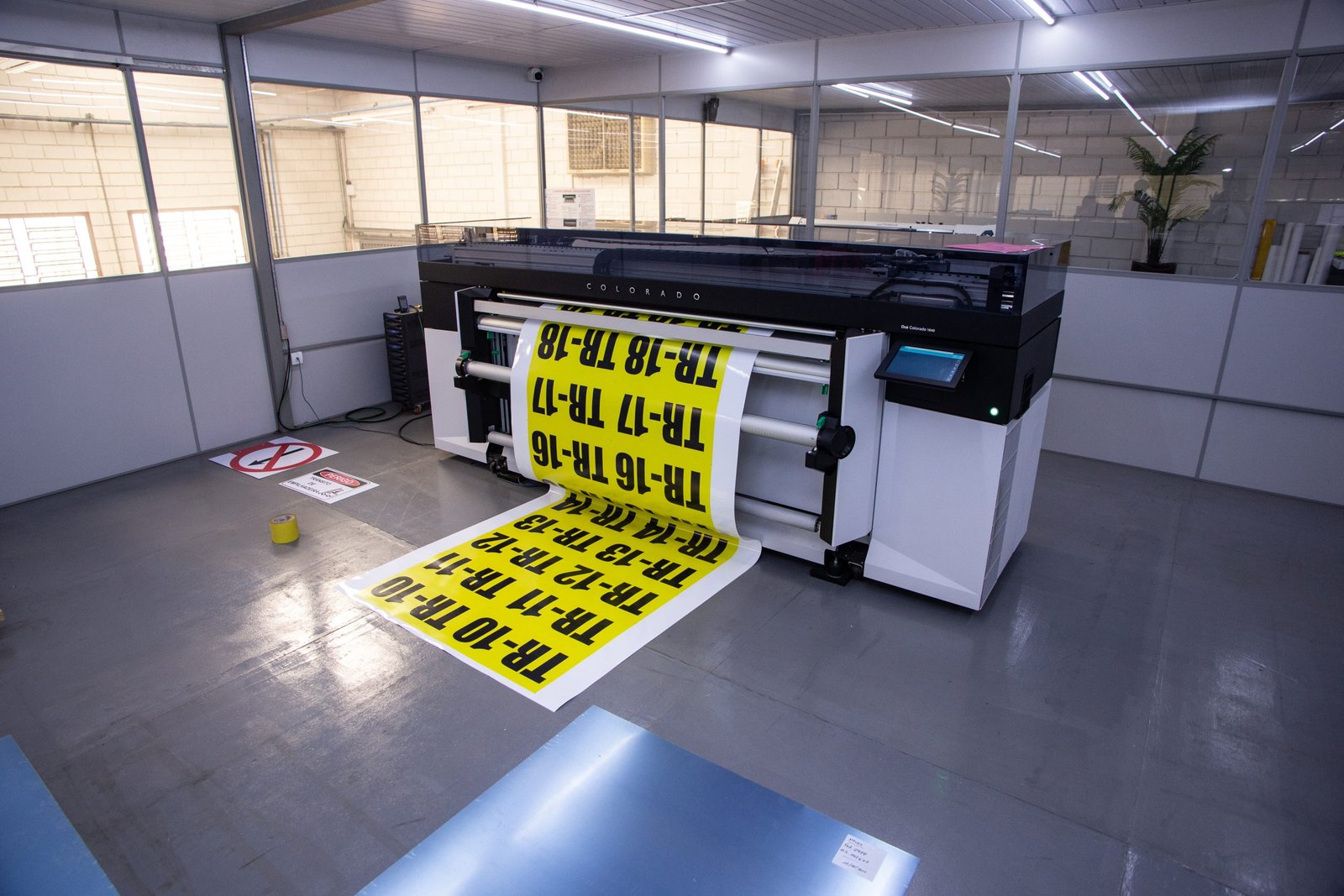
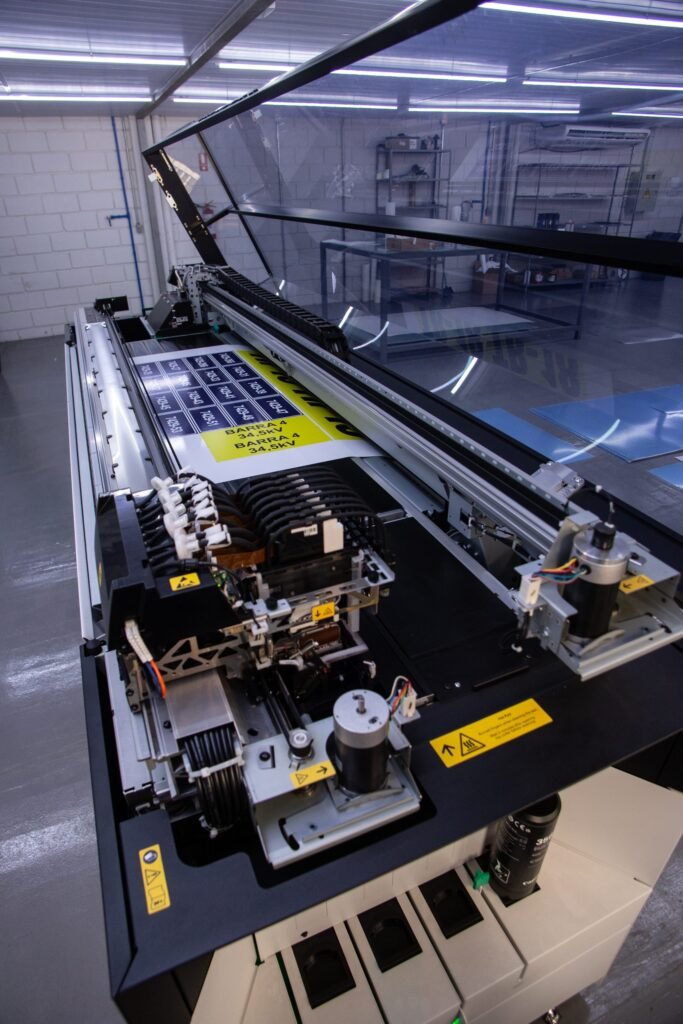
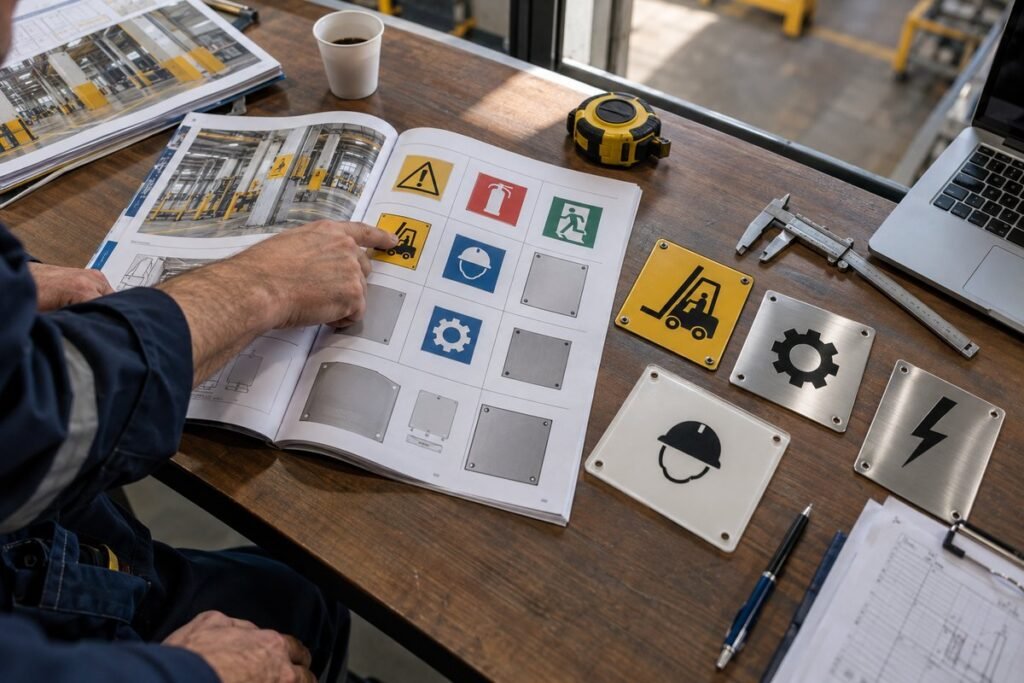
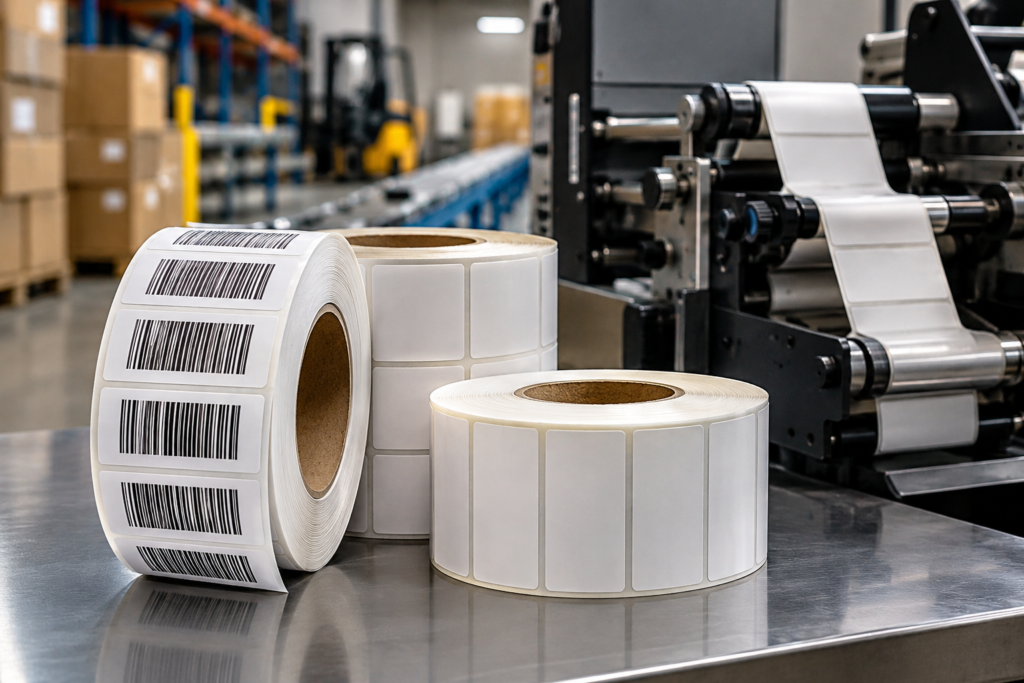
Digital printers have revolutionized the manufacture of signage. They allow for greater precision, speed, and customization, creating complex, high-quality designs without compromising legibility. Digital printing also facilitates smaller, on-demand print runs, making production more accessible, especially for small and medium-sized businesses. Furthermore, companies can quickly adapt their signage to internal changes, such as new safety regulations or layout updates.
2. Sustainable and Durable Materials
Sustainability is a growing trend in the sector. Signs made with recyclable, biodegradable, and low-environmental-impact materials are becoming popular. These options not only meet ecological requirements but also ensure greater durability, resisting adverse conditions such as weather and sun exposure. Choosing sustainable materials also contributes to reducing costs associated with signage maintenance and replacement.
3. Interactive and Digital Signage
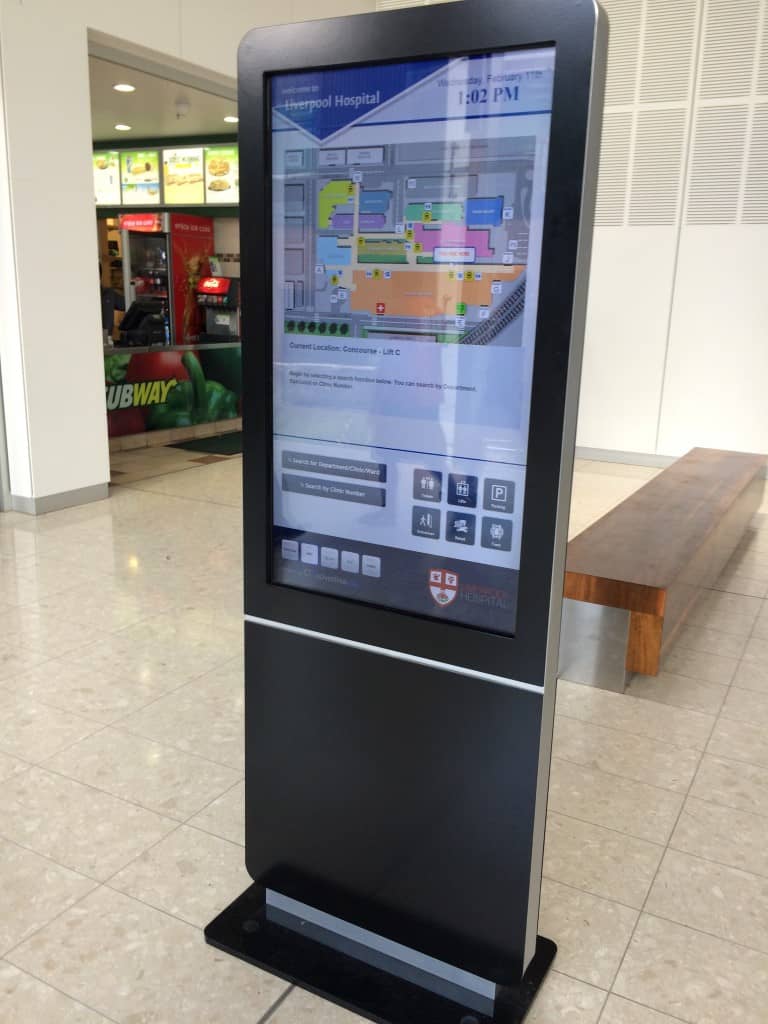
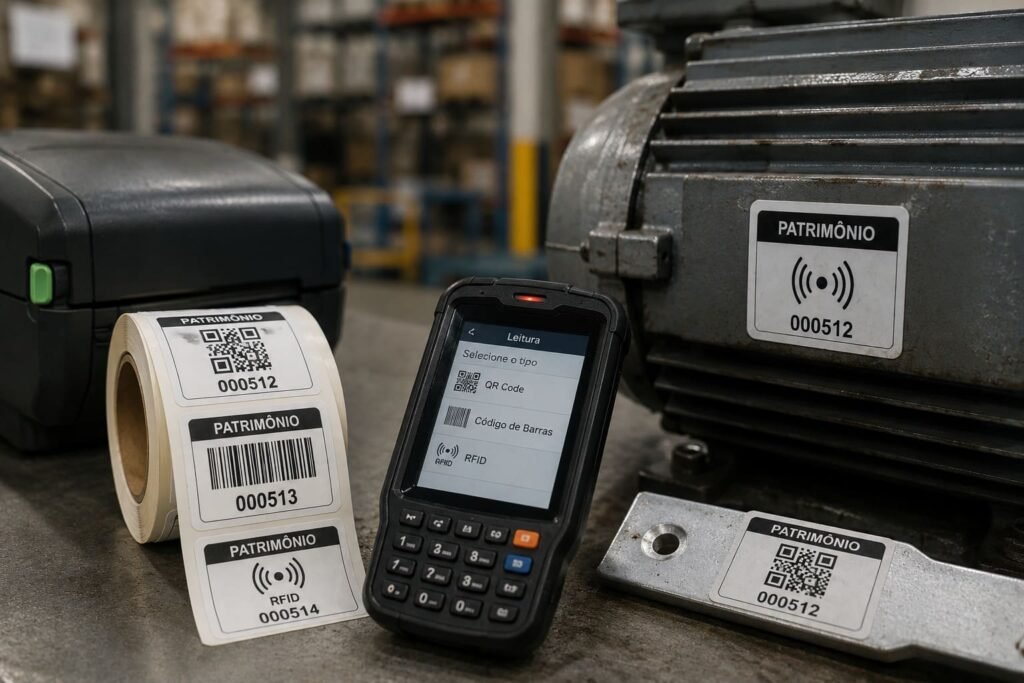
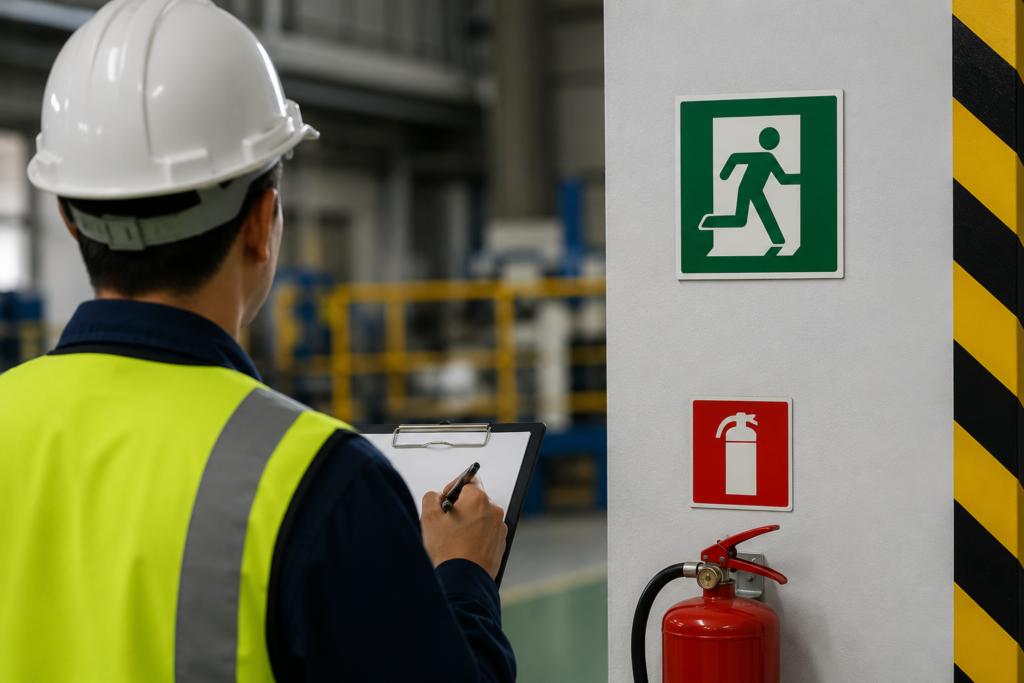
While traditional signs remain essential, digitalization is gaining prominence. Digital signage, such as LED screens and interactive panels, offers real-time updates and can be used to convey immediate safety information, such as evacuation routes or changes in regulations. Security. Integration with technologies such as QR codes also allows employees to access detailed information directly from their mobile devices, making signage more efficient and accessible.
4. Challenges of Digitization: Investment and Maintenance
The transition to digital solutions presents challenges, such as the high initial implementation cost, the need for adequate infrastructure, and the constant maintenance of technologies, such as software updates and repairs to damaged screens. However, hybrid solutions, which combine digital and traditional signage, can be an effective way to take advantage of the benefits of digitization without sacrificing the simplicity and reliability of physical signage. Furthermore, over time, the technology tends to become more accessible and maintenance costs decrease.
5. Personalization and Localization: The Key to CommunicationEfficient
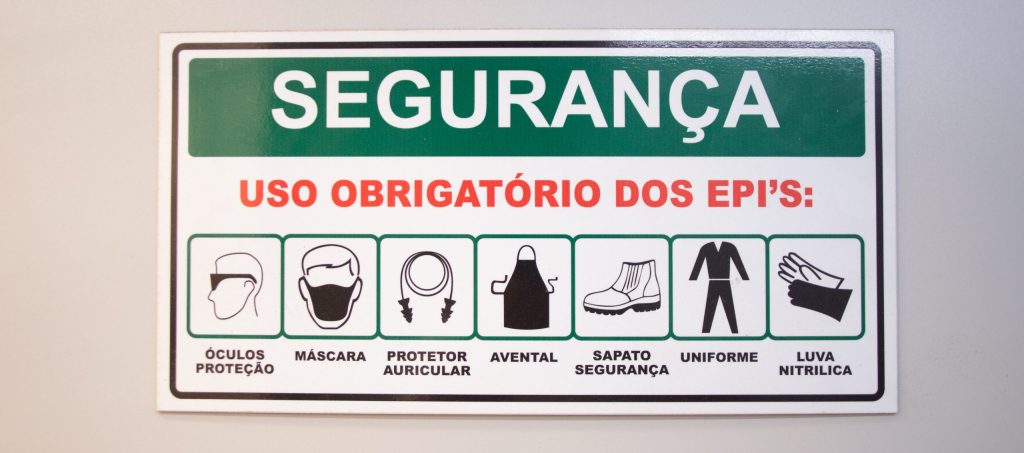
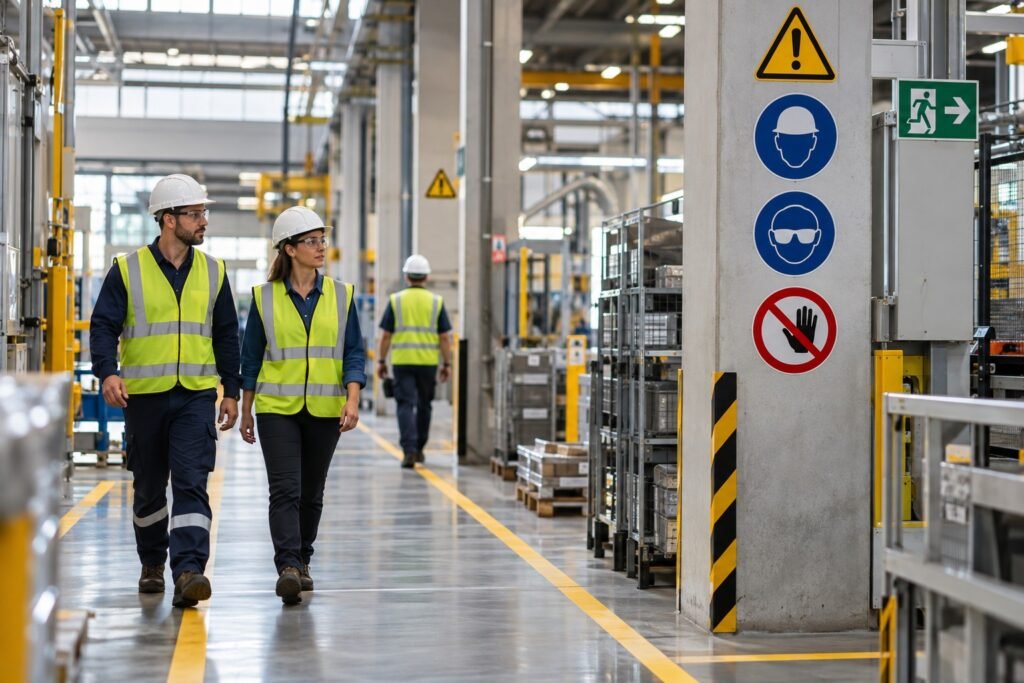
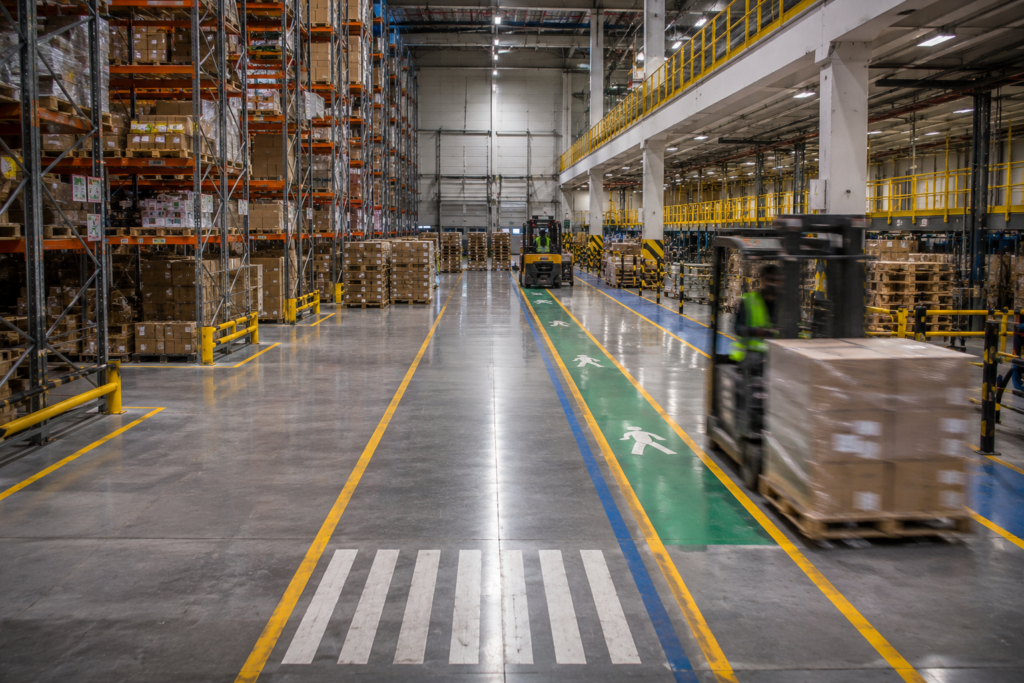
Every company has unique characteristics and needs, and its safety signage should reflect that. Customization, with colors, fonts, and logos aligned with the company's visual identity, makes communication clearer and more effective. Furthermore, the location of the signs is also crucial to ensure their visibility in different environments, such as outdoor areas or locations with high foot traffic. The choice of materials and design appropriate to each situation guarantees greater durability and effectiveness.