What is the relationship between Visual Communication and Signage and NR26?
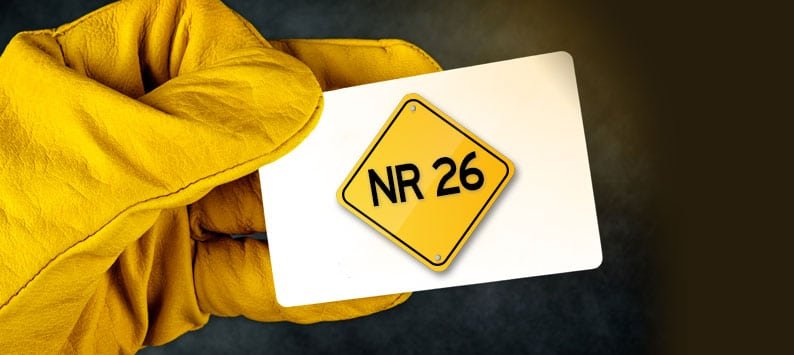
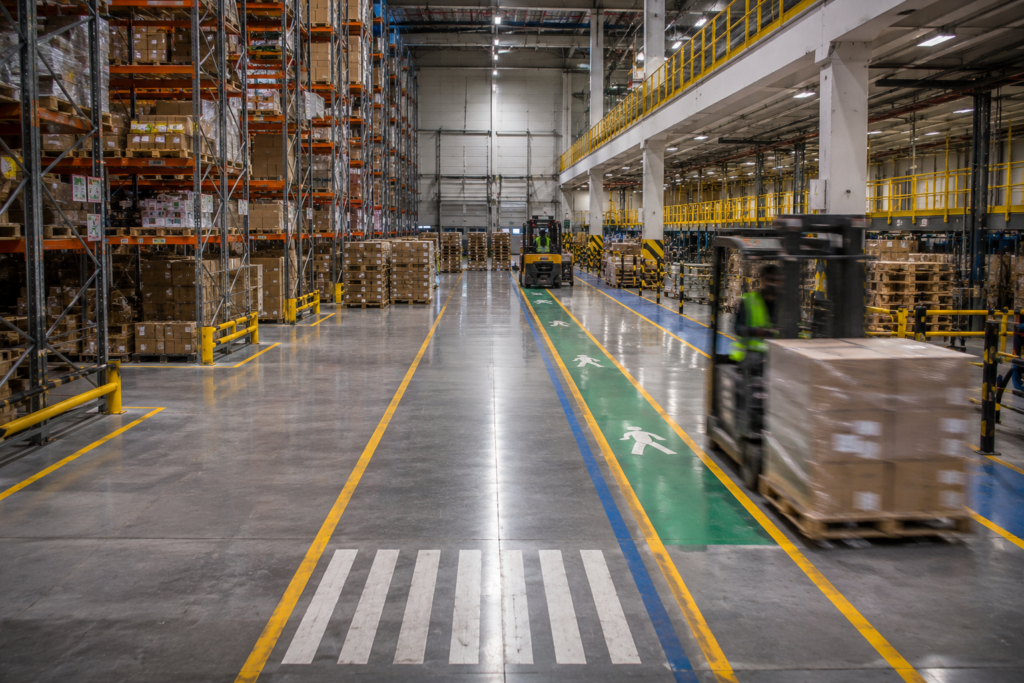
Regulatory Standard 26 (NR26) is a Brazilian regulation that deals with safety signageand visual communication actions in the workplace. It establishes the standards of colors, shapes, symbols, and other visual information to be used to indicate and warn about risk situations, provide safety instructions, and guide workers in various situations.
Safety signage and visual communication are essential tools for preventing accidents, reducing risks, and providing crucial information to workers. It establishes standards and guidelines for the use of colors, Shapes and symbols in safety signage, with the aim of preventing accidents, guiding workers and warning about possible risks in the workplace.
Visual communication and safety signage are essential tools for ensuring worker safety and preventing accidents. NR26 (Brazilian Regulatory Standard 26) and visual communication are related in several ways:
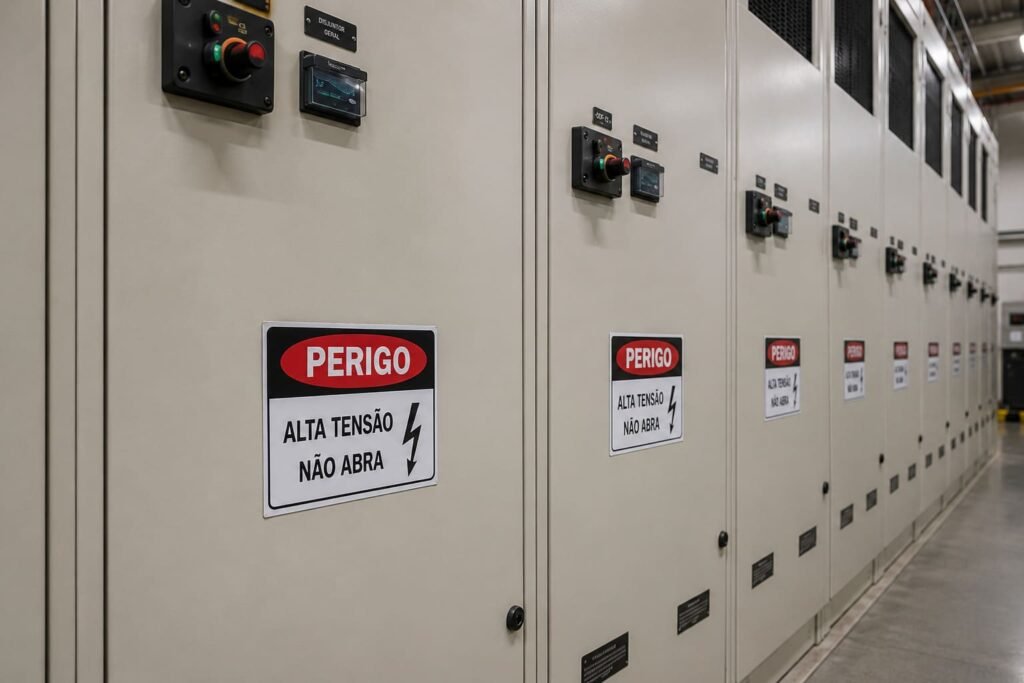
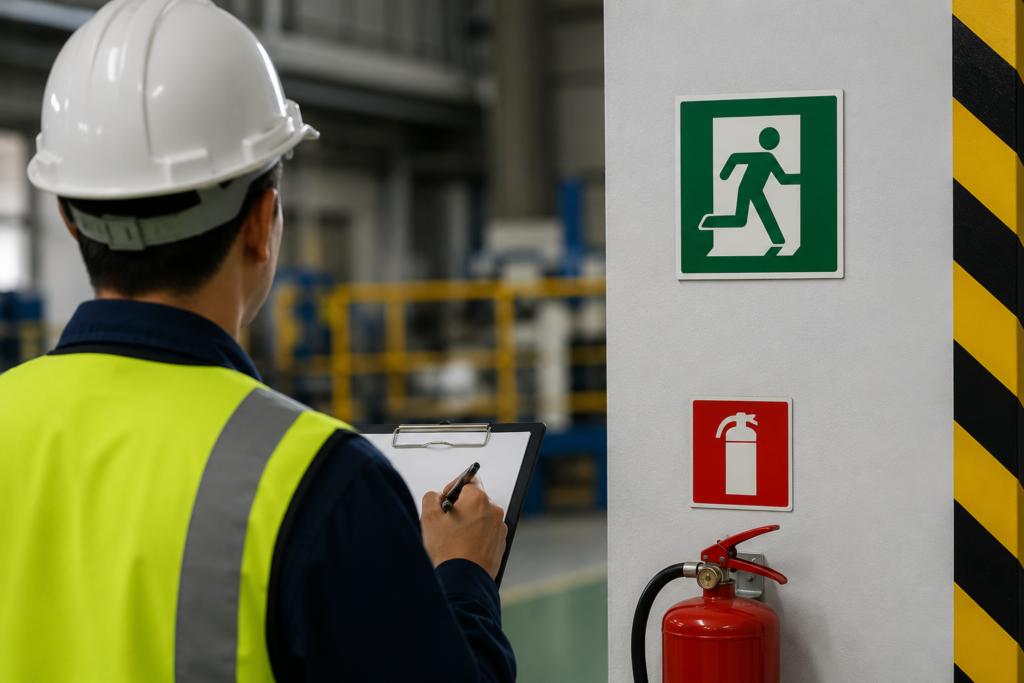
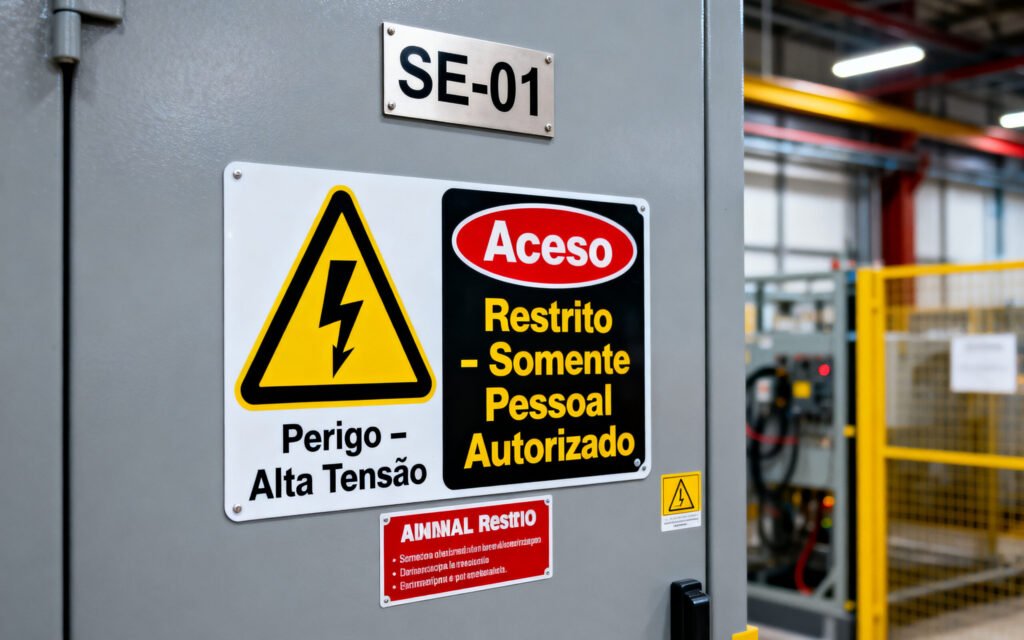
Safety Signage: NR26 specific colors and symbols which should be used in different situations to indicate important information. For example, the use of the color red may indicate prohibition or danger, while the color yellow may indicate attention or caution.
Risk Identification: Through standardized symbols and colors, the Signage helps identify risks. Specific safety measures in the workplace allow workers to recognize and avoid hazardous areas or situations.
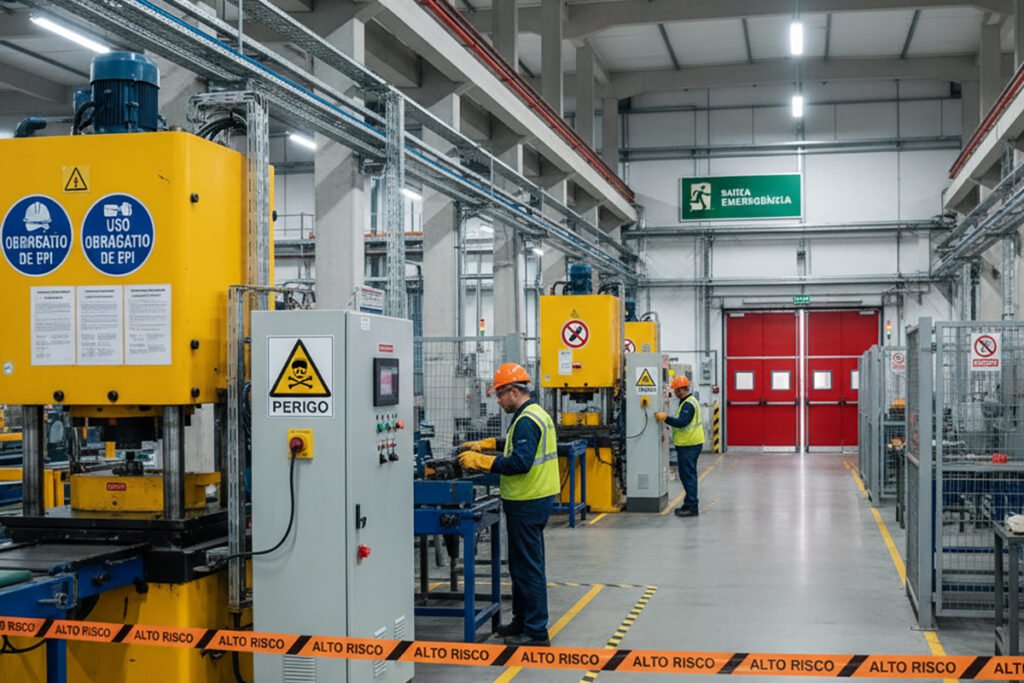
Instructions and Guidelines: Signage can also be used to provide clear instructions and guidance on safety procedures, such as the location of emergency exits, escape routes, and actions to be taken in case of fire or other hazards.
Visual Alert: Visual communication and signage create visual alerts which are instantly recognizable. This is particularly important in industrial environments or locations with potential hazards, where the rapid identification of information can save lives.
Standardization and Consistency: NR26 provides specific guidelines on the use of colors and symbols, ensuring that signage is consistent and understandable in different workplaces. This avoids confusion and increases the effectiveness of safety messages.
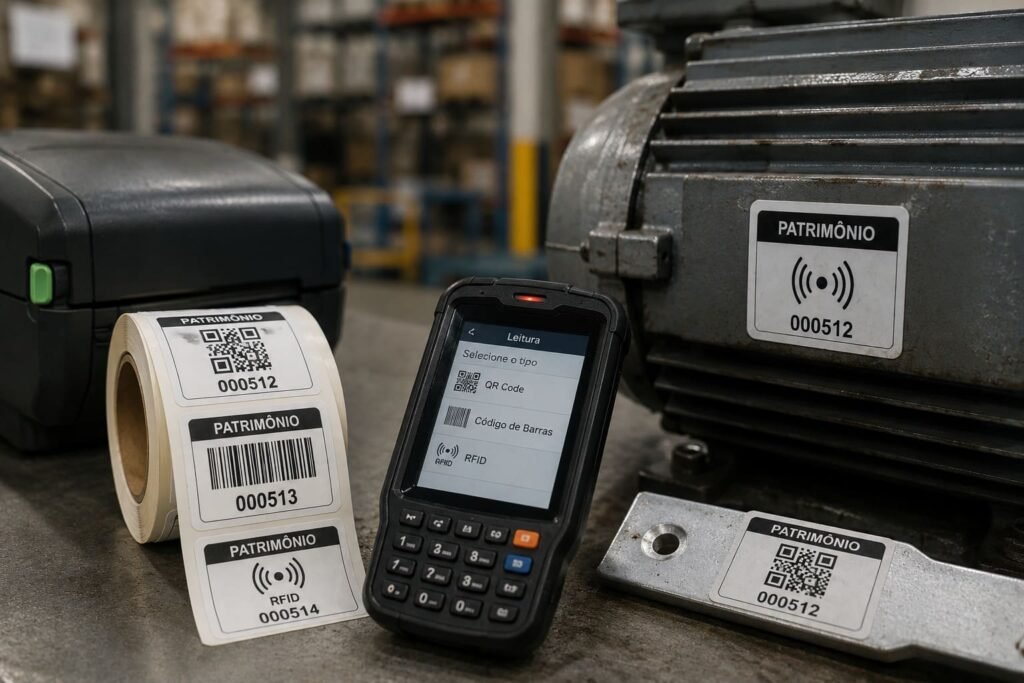
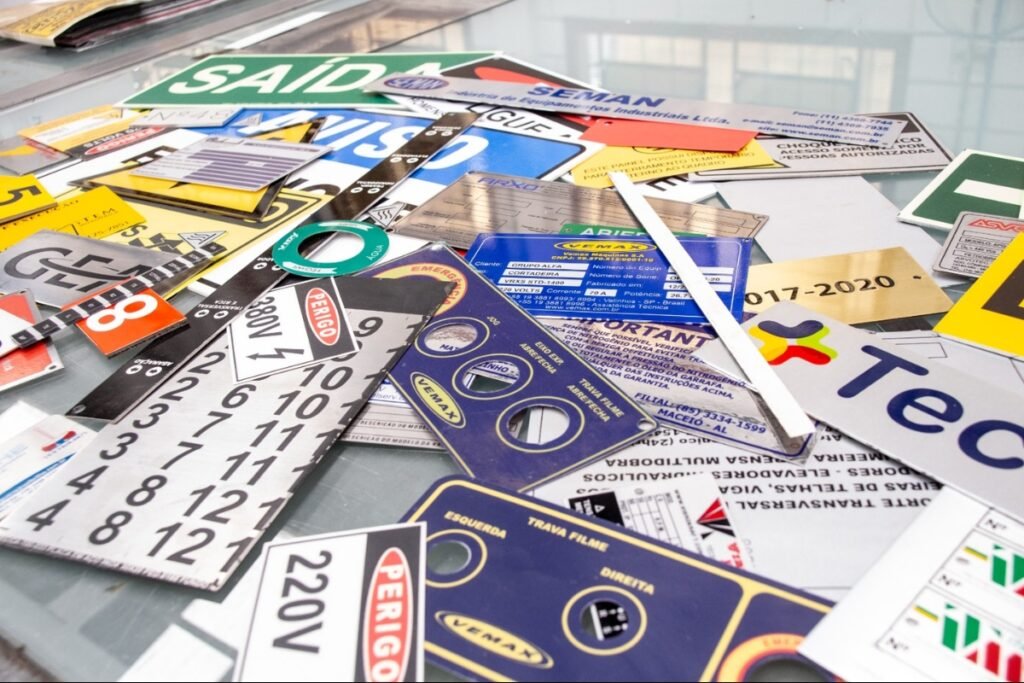
Examples of Safety Signage and Visual Communication Plates produced based on NR26
In summary, NR26 (Brazilian Regulatory Standard 26) and safety signage and visual communication work together to promote workplace safety through clear and understandable signage. These practices not only help to... prevent accidents, but they also contribute to raising workers' awareness of the importance of workplace safety.
Who is required to comply with NR 26?
Regulatory Standard 26 (NR26) is mandatory for all companies and employers in Brazil that have workers under the CLT (Consolidation of Labor Laws) regime. It establishes guidelines and criteria for safety signage in the workplace, with the aim of preventing accidents, guiding workers, and warning about risks.
Therefore, if a company has registered employees and is subject to the country's labor laws, it is obligated to comply with the provisions of NR26 regarding safety signage. This includes the use of standardized colors, shapes, symbols, and other visual elements to indicate relevant information about risks, emergency exits, safety procedures, and much more.
Need help designing your safety signage project? Contact us!