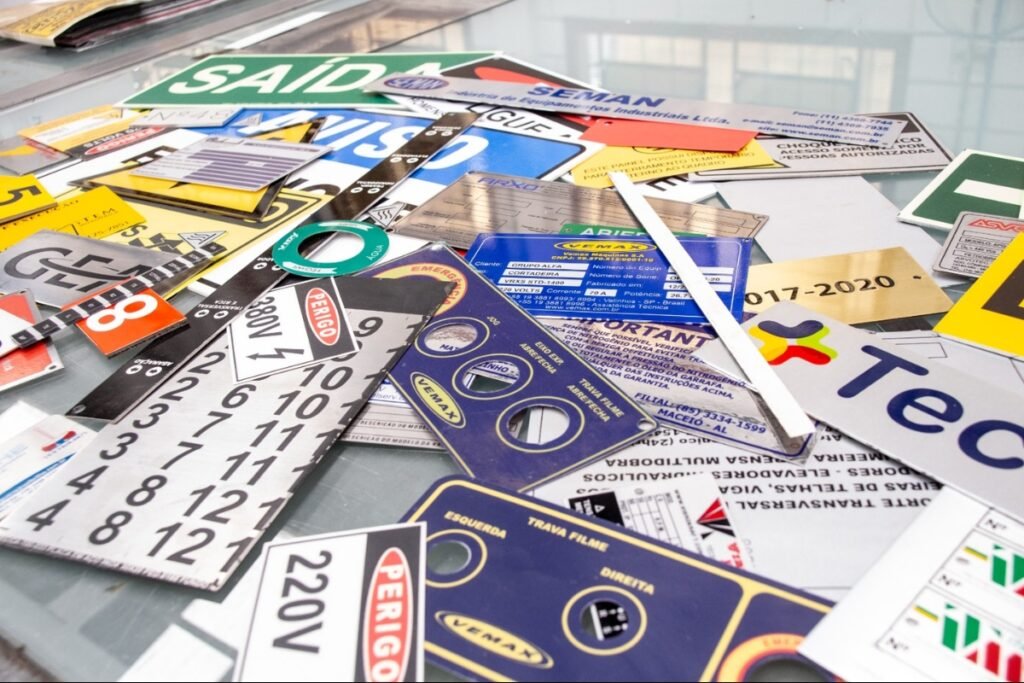
To the indelible labels These are labels or tags that are designed to be permanent and impossible to remove without being damaged or leaving evidence of tampering. The word "indelible" means "that which cannot be erased" or "that which cannot be removed"., And in this context, it refers to the characteristic of these labels of remaining fixed and legible over time.
These labels are frequently used in a variety of applications where traceability, authenticity, or security are important.
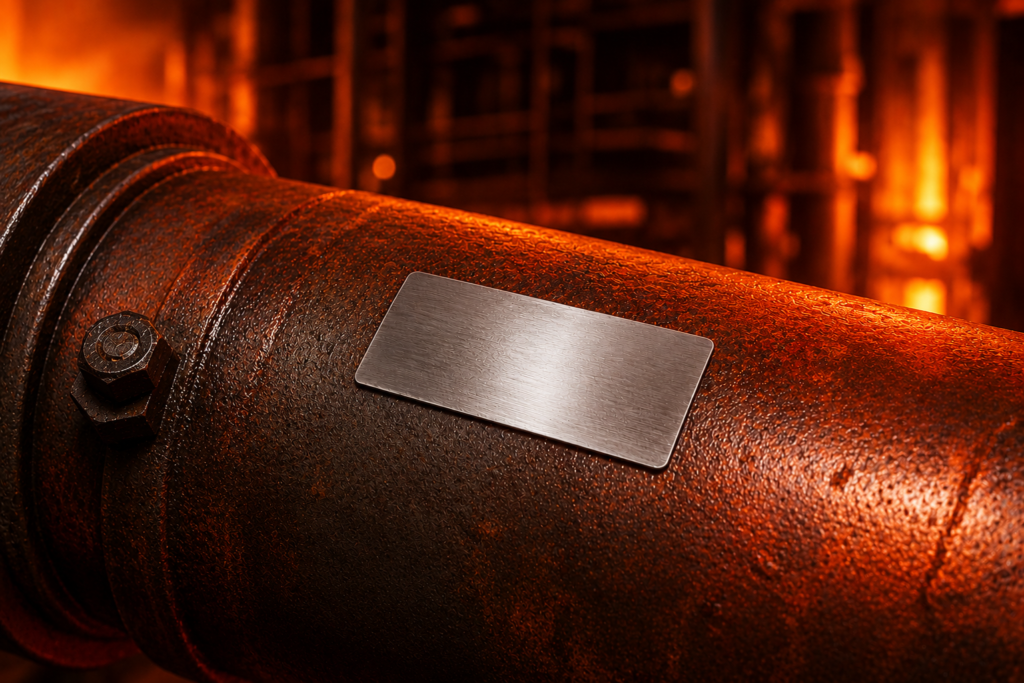
They are designed to withstand harsh conditions such as exposure to extreme temperatures, humidity, chemicals, intense sunlight, and friction, making them suitable for a variety of applications in challenging environments.
In many industries, especially those dealing with chemicals, electronics, industrial components, or products exposed to the outdoors, it is essential to have indelible labels Permanent devices to track important information about the items.
One of the recurring applications in CooperartsIt's the marking of instruments and tools. Of course, the main concern is preventing accidents in industrial environments and laboratories. By marking instruments, tools, and equipment with serial numbers, calibration dates, and other relevant information, day-to-day operations become safer.
Main Features of Indelible Labels
One of the main characteristics of labels What makes it indelible is its flexibility. It's an adhesive that can be applied to various surfaces.
Yes, flexibility is the most important characteristic of these. labels. However, another characteristic of labels Indelible refers to their resistance. For this reason, they are known as indestructible, not because they are impossible to remove, but because the print on the label is resistant to contact with mild chemicals, high and low temperatures, and climatic variations.
Customization of Indelible Labels
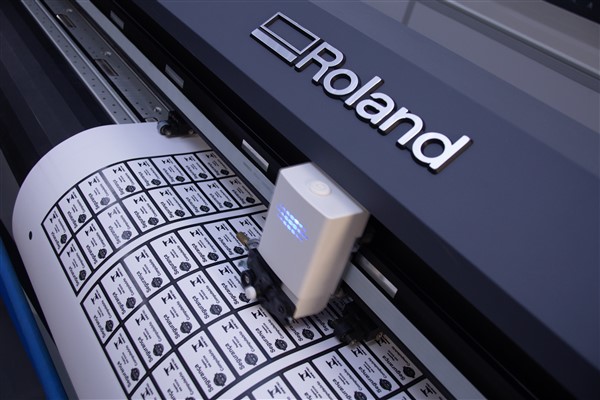
Indelible labels are also known for their customization capability, developed with the need to maintain detailed, personalized customer records in mind, manufactured using digital printing.
Some examples of the use of indelible labels include:
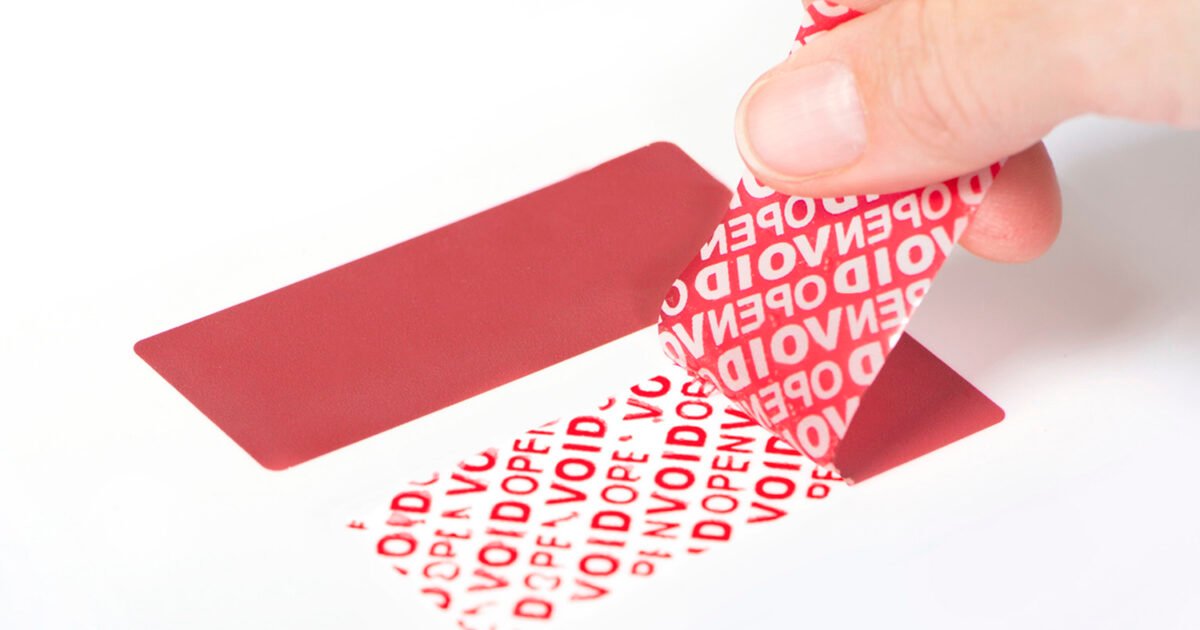
Warranty labels: They are applied to products or packaging to ensure that they have not been opened, tampered with, or violated before reaching the end consumer.
Authentication labels: They can be used on luxury goods, electronics, medicines, and other high-value items to verify their authenticity and prevent counterfeiting.
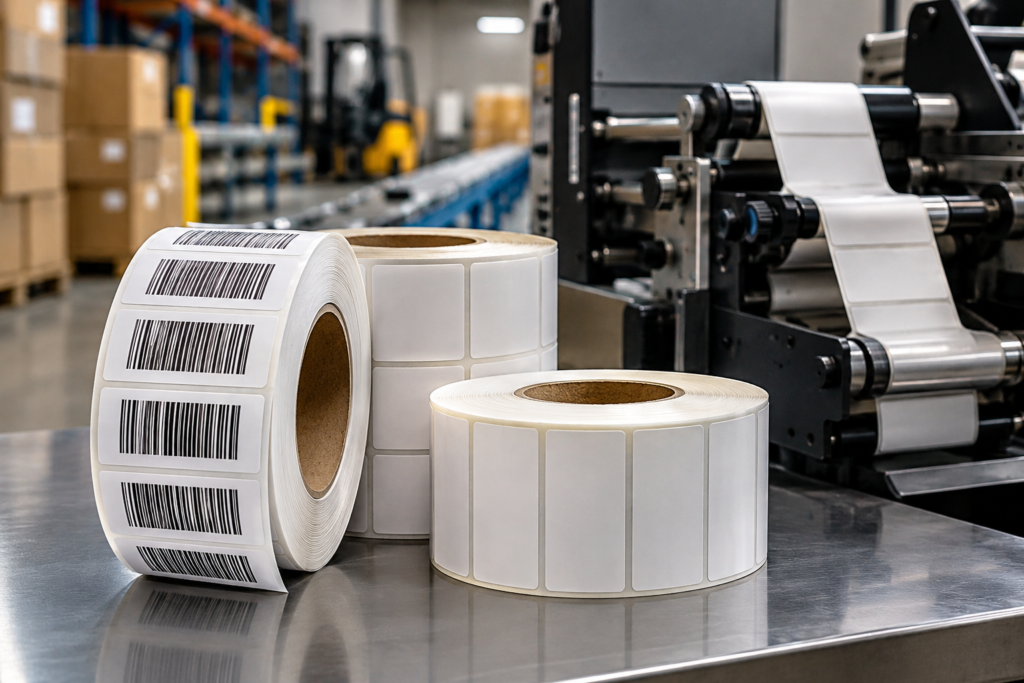
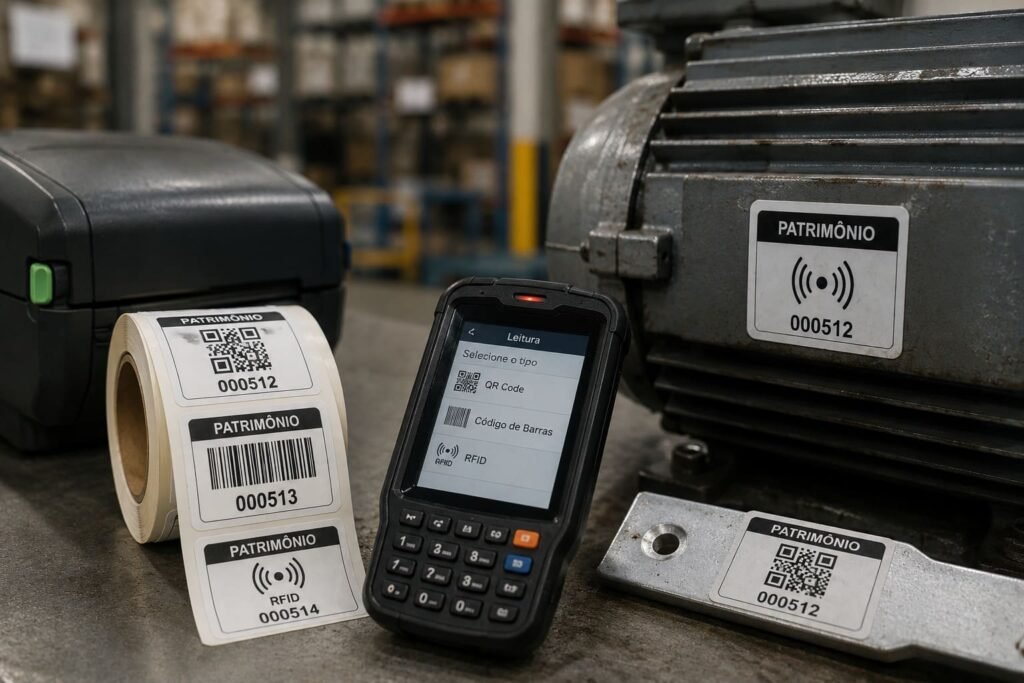
Traceability labels: They are used on items or packaging to track the product's history, such as manufacturing date, batch number, serial number, or logistics information.
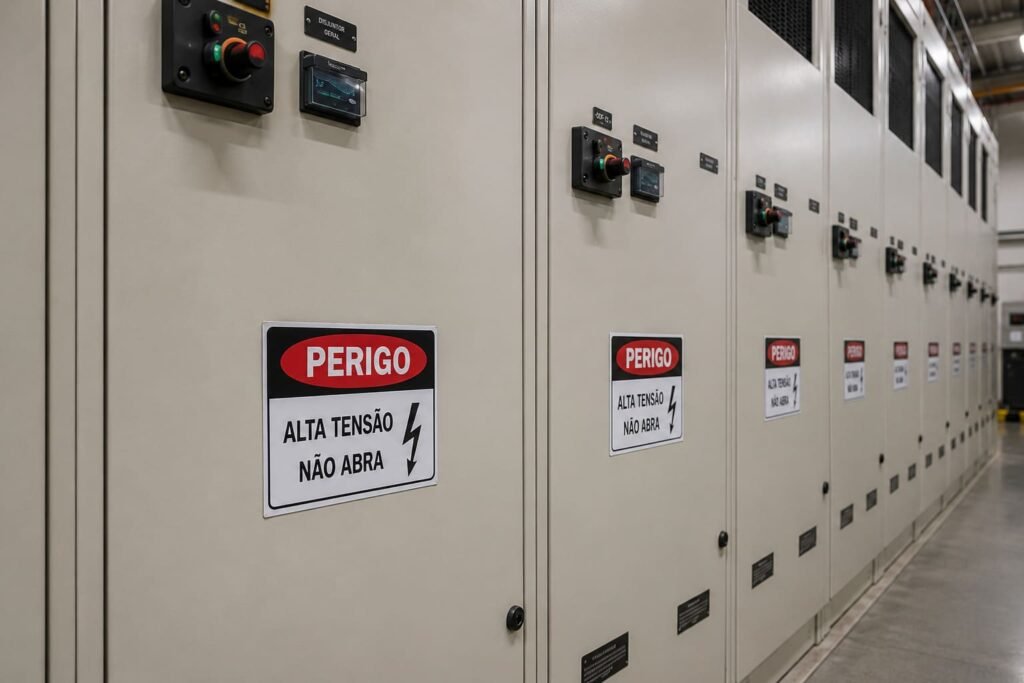
Safety labels: They are applied to sensitive items or confidential documents to ensure that any attempt at tampering is promptly identified.