A internal communication consists of a set of processes, practices and tools Used by a company to transmit information, ideas, values, objectives, and strategies to its employees. In other words, internal communication is the communication that occurs within the company, between its members and departments.
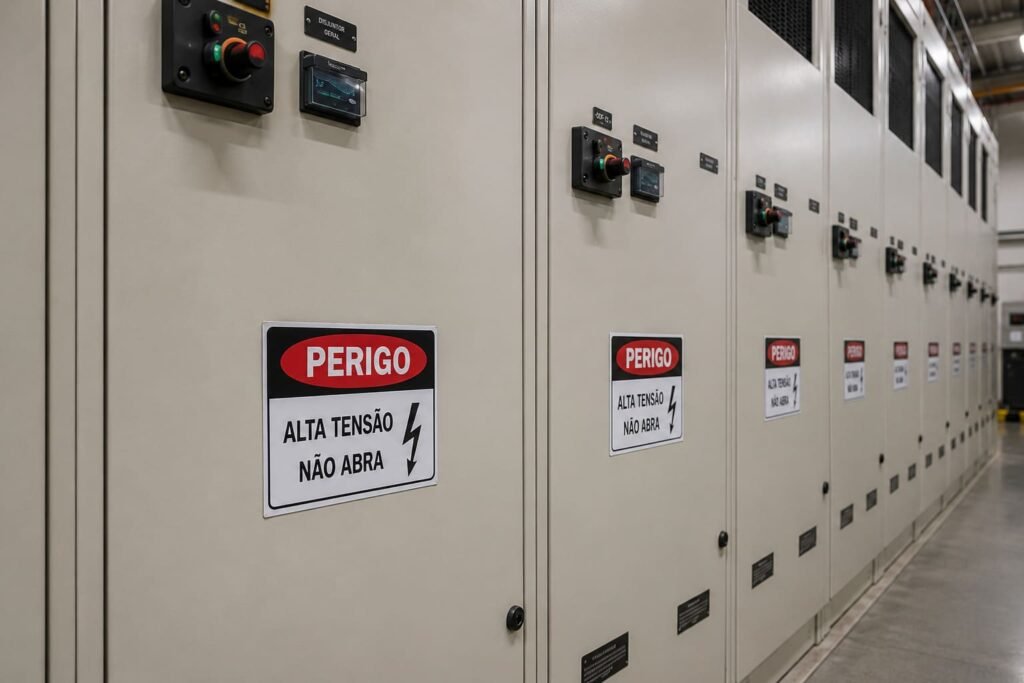
A Signage is an important element in internal communication.. Signage can be used for various purposes, such as:
1. Guidance: Signage can be used to guide employees to the location of rooms, offices, restrooms, common areas, and more.
2. Identification: Signage can be used to identify specific areas, such as meeting rooms, rest areas, training rooms, and others.
3. Security: Signage can be used to indicate dangerous or restricted areas, as well as the safety measures that must be taken in certain areas.
4. Communication of information: Signage can be used to convey important information, such as notices about service interruptions, schedule changes, new policies and procedures, among others. Furthermore, signage can be customized to reflect the company's visual identity, helping to create a cohesive work environment aligned with the organizational culture.
In summary, Signage is an important part of internal communication., because it can help to convey important information visually, Easy to understand and quick, which can improve communication efficiency in the company and to contribute to building a positive and safe work environment.
A internal communication in the broadest sense, It is essential for a company's success because It helps create a more collaborative, informed, and engaged work environment..
Some of the main benefits of internal communication for companies include:
1. Employee engagement: Effective internal communication can help keep employees informed about the company's strategies, goals, and challenges, which can lead to greater engagement and motivation.
2. Improve productivity: When employees are well-informed about their roles, responsibilities, and goals, they are better able to work productively and efficiently.
3. Conflict reduction: Clear and open communication can help reduce misunderstandings and conflicts between colleagues, teams, and departments.
4. Strengthen organizational culture: Internal communication can help convey the company's values, mission, and culture, building a sense of shared identity and purpose among employees.
5. Identify opportunities for improvement: Internal communication can allow employees to share their ideas, suggestions, and feedback, which can lead to improvements in processes, products, and services.
6. Improve talent retention: Effective internal communication can help build a positive and welcoming work environment, which can encourage employees to stay with the company long-term. These are just a few examples of the importance of internal communication for businesses. In short, effective internal communication is a fundamental element for a company's long-term success, allowing employees to work together effectively, motivated, and focused on the company's goals.

A Cooperarts serves clients of all sizes with license plates internal signage to communication projects Internal. Each project has its own peculiarities, whether to identify sectors, or to draw attention to dangers and prohibitions, as well as to inform about promotions and launches.