Economics and Productivity in
a single printing system
In the world of printing, there are countless production processes that can be used to ensure the quality of printed products. flexography He's one of them!
This name is quite technical; however, it's worth understanding the process and the reasons why economic and productivity gains are possible.
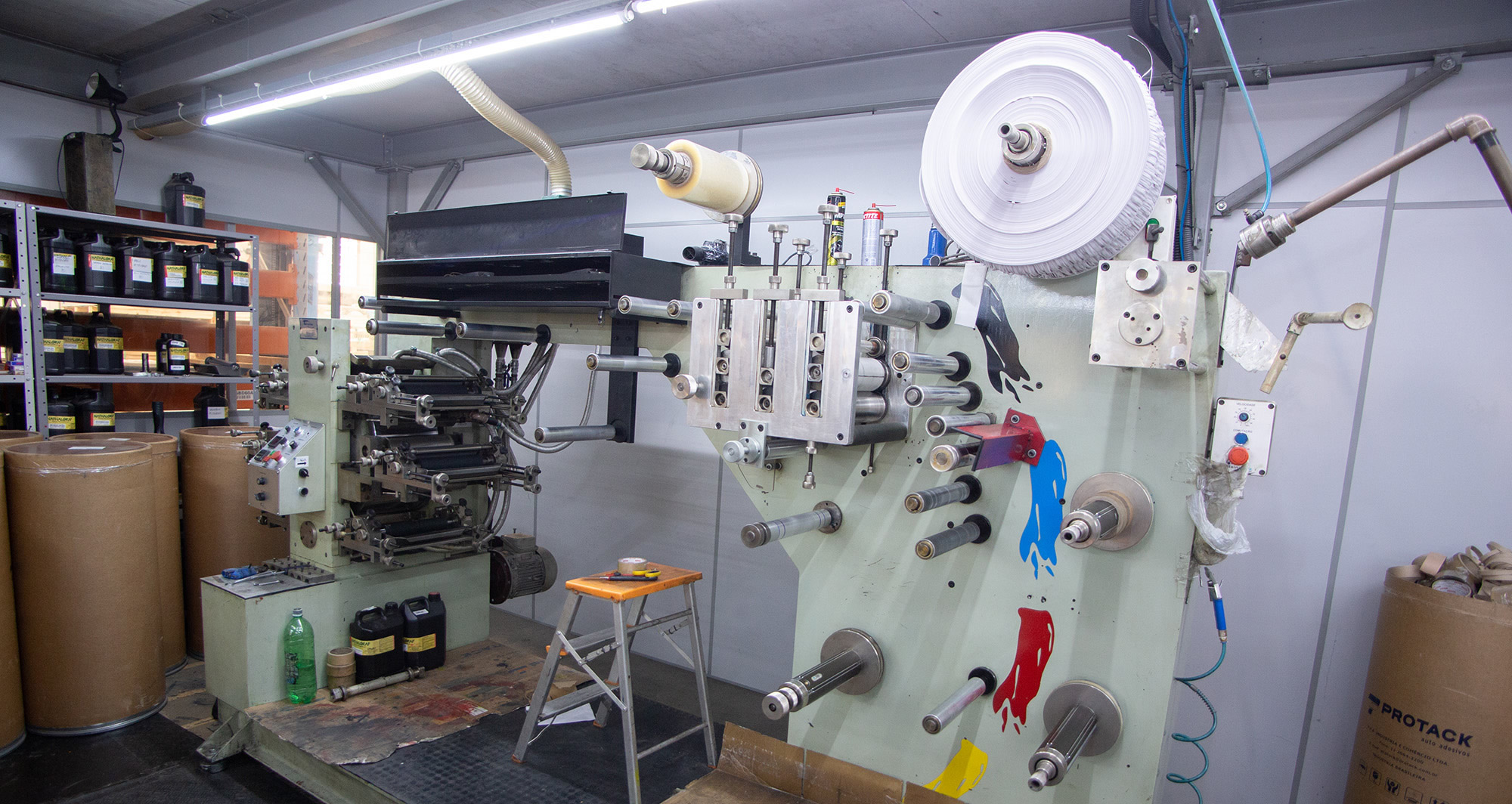
In a very direct and objective way, the flexography It is simply a printing method that is carried out using a plate with a raised surface made of rubber called a cliché.
Advances in Flexography
This technique has grown so much that it has replaced rotogravure, which was previously used in the flexible packaging, offset printing, label and tag segments.
First of all, it's necessary to define what type of ink will be used in the printing process. Currently, there are three types of applications. flexographic:
- Solvent-based;
- Made with a water base;
- And finally, the UV curable base was made.
After that, the process can begin:
Initially: the surface area to be printed is arranged in relief.
Areas with significant elevation changes are the first to receive the paint.
Next, the ink is transferred from the printing plate to the selected substrate. That's how it will be applied to the packaging.
For this purpose, a very flexible sheet is used, which can be placed over the cylinders with the help of adhesive tape.
This technique is used in printing various types of products. Generally, the flexographic printing process is divided into two forms:
-
- In Broadband: when printing is related to gift wrapping, publishing, and ceramics;
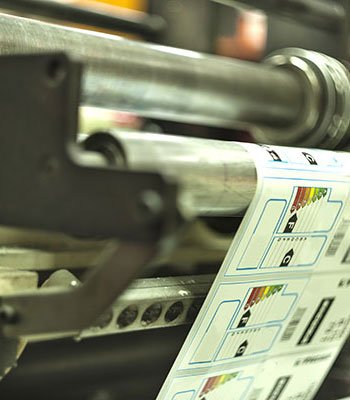
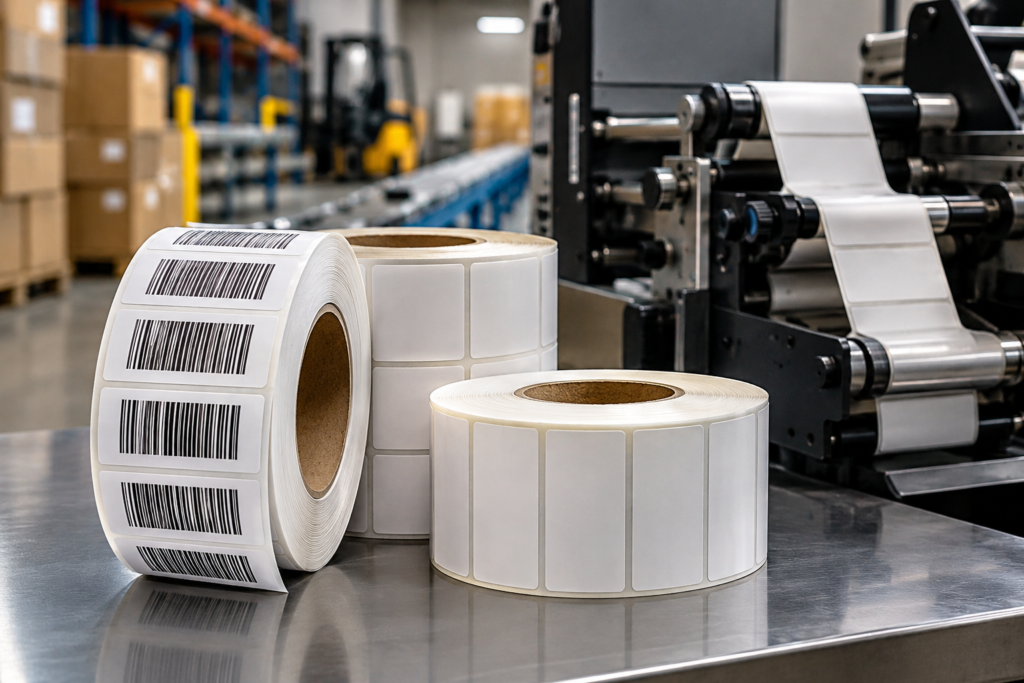
- In Narrow Web printing: in this case, the printing is directly related to the printing of labels, tags, and stickers.