How does digital printing work on metallic materials?
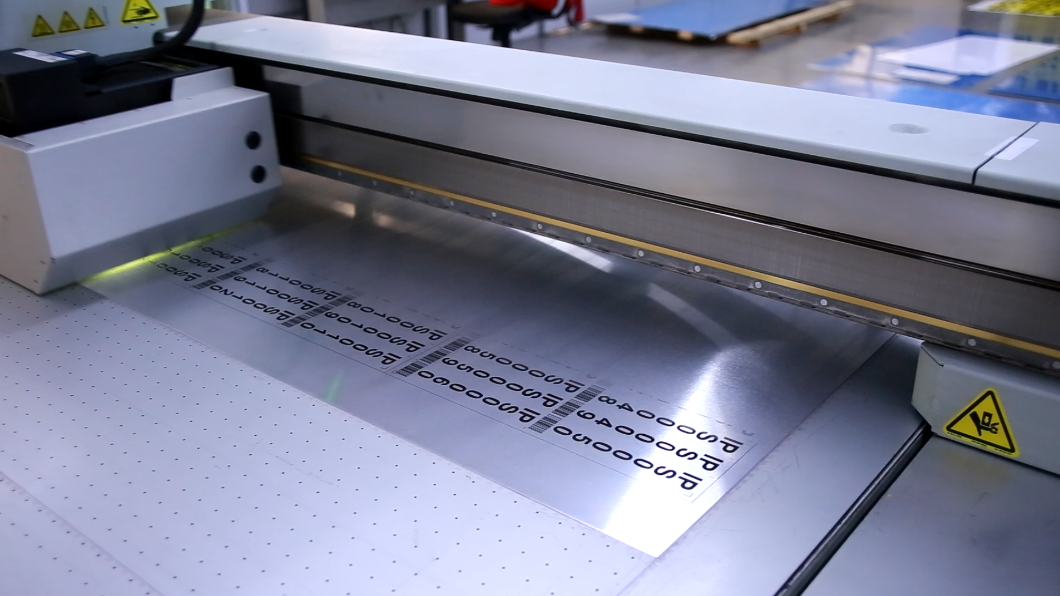
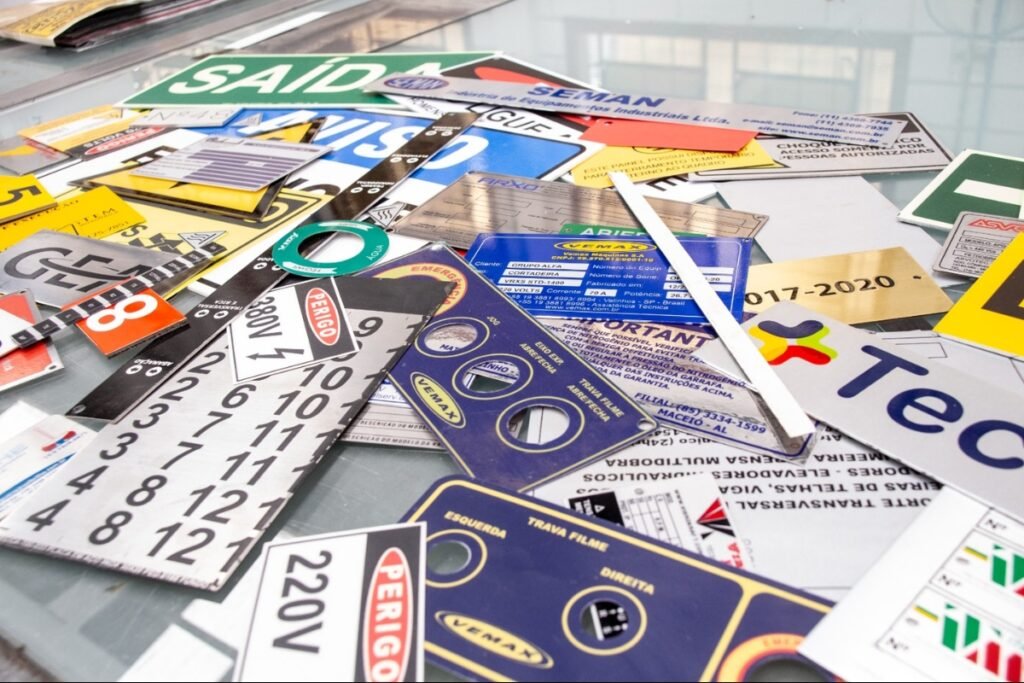
A digital printing on metals It is an advanced technological process that allows for the customization of metallic surfaces with high definition, vibrant colors, and excellent durability. It has been increasingly used in visual communication, safety signage, industrial panels, promotional items, and even in the personalization of electronic products.
1. Technologies Used for Digital Printing on Metals
There are several main technologies for direct digital printing on metal surfaces, each with distinct characteristics and applications:
🖨️ UV (Ultraviolet) Printing
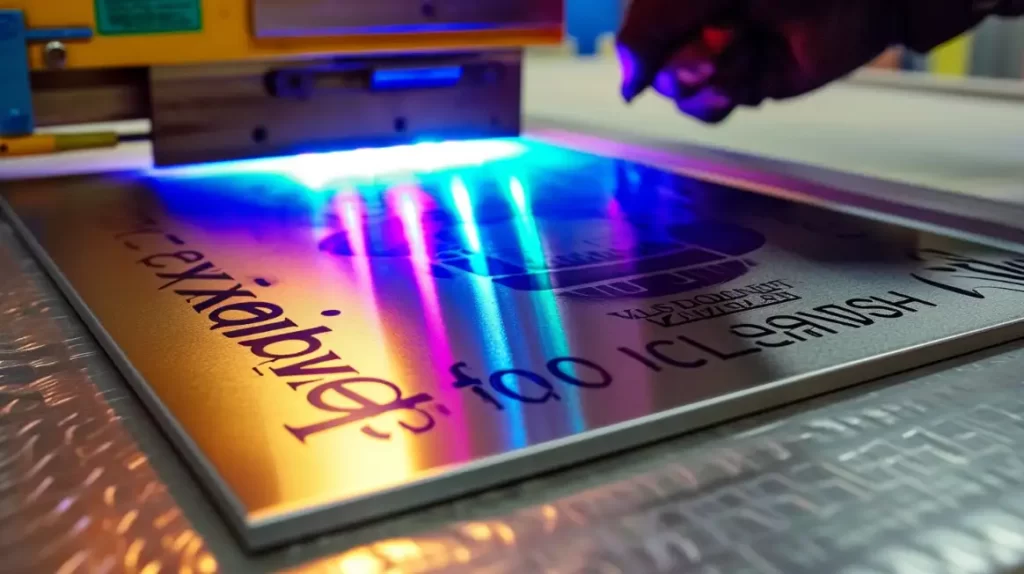
✔ Use special inks curable by UV light, which adhere well to metal and ensure high resistance. ✔ Allows direct printing on aluminum, stainless steel, brass, and other metal sheets. ✔ AdvantagesInstant drying, vibrant colors, and the possibility of embossing (3D effect). ✔ ApplicationsSignage, trophies, industrial labels, metal promotional items.
🔥 Sublimation on Metals (Heat Transfer)
✔ Uses sublimation inks and heat to transfer the image to a treated metal surface. polyester coating.
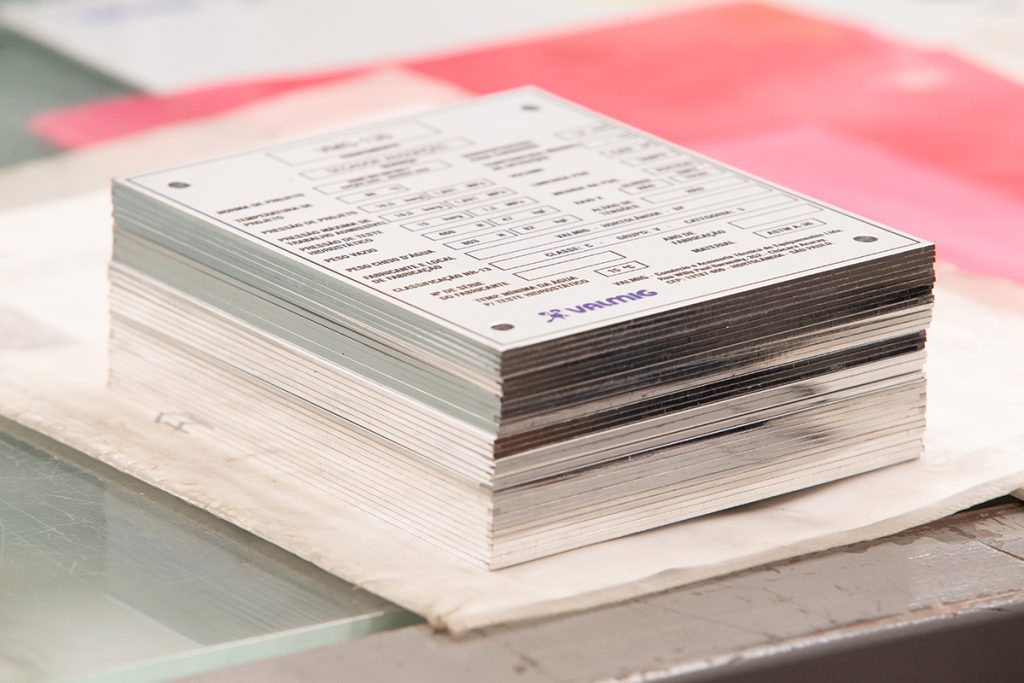
✔ AdvantagesScratch-resistant and weather-resistant prints. ✔ ApplicationsNameplates, metal keychains, decorative panels.
⚡ Full-color laser printing (digital anodizing)
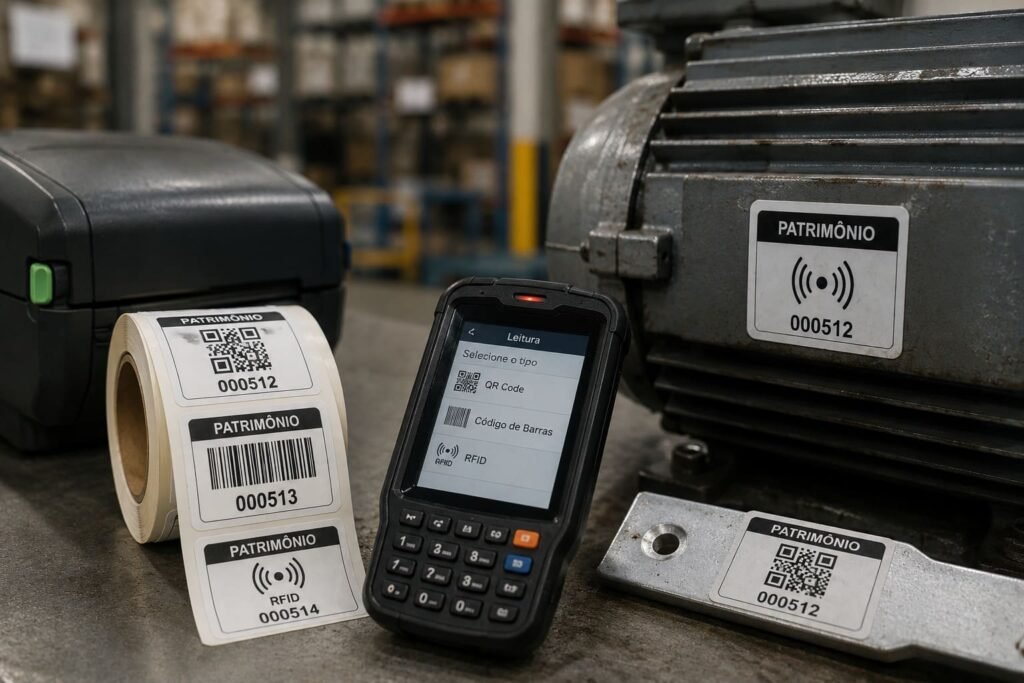
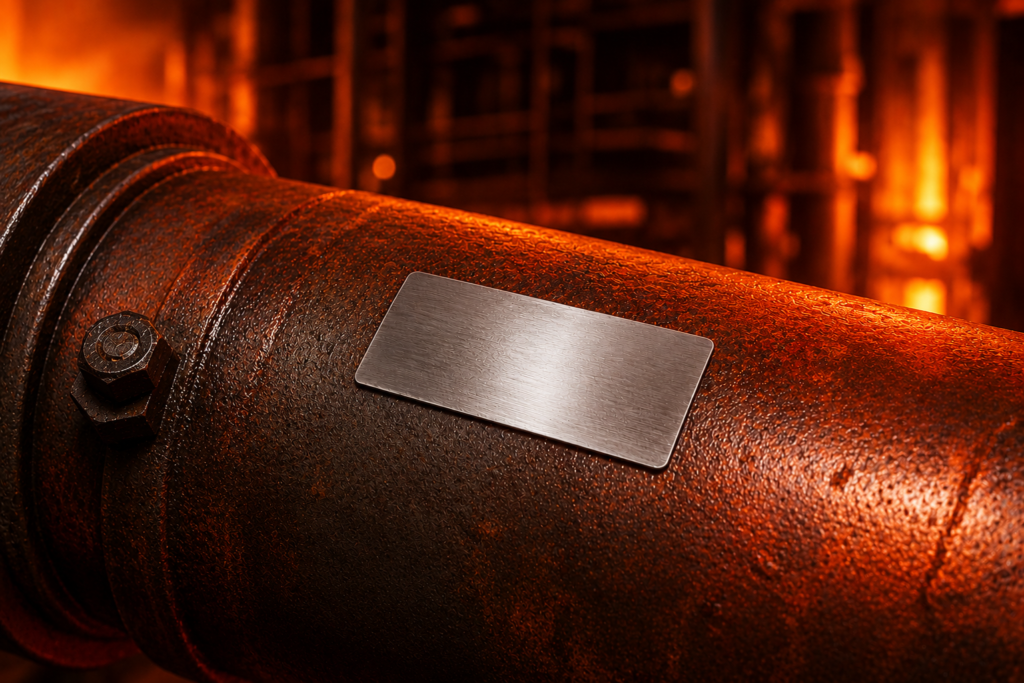
✔ A method where the paint penetrates the anodized layer of the aluminum, becoming part of the material. ✔ AdvantagesExtremely durable, resistant to chemicals and abrasion. ✔ ApplicationsIndustrial labels, control panels, machine nameplates.
💦 Digital Printing with Special Inks
✔ Some advanced digital printers use inks formulated to adhere to metallic surfaces without the need for a primer. ✔ AdvantagesFlexibility in customization and lower cost compared to traditional industrial processes. ✔ ApplicationsMetal promotional items, decorations, nameplates.
2. Digital Printing Process on Metals
The process may vary depending on the technology chosen, but it follows a general flow:
1️⃣ Surface Preparation – Metal can be treated with special primers to improve ink adhesion. In cases like sublimation, the surface already needs to have a polyester coating.
2️⃣ Fingerprint The image is applied directly to the metal using UV technology, sublimation, or full-color laser printing.
3️⃣ Curing or Drying – In the case of UV printing, ultraviolet light dries the ink instantly. In sublimation, heat and pressure cause the ink to fuse to the coating.
4️⃣ Finishing and Protection – Some pieces receive additional layers of varnish or lamination to increase durability.
3. Advantages of Digital Printing on Metals
✔ High Precision and Resolution – Detailed prints with rich colors. ✔ Full Customization Ideal for on-demand production and one-of-a-kind pieces. ✔ Durability – Resistance to weather, chemicals and abrasion. ✔ Sustainable Process Compared to traditional processes, digital printing can reduce the consumption of ink and harsh chemicals.
4. Most Common Applications
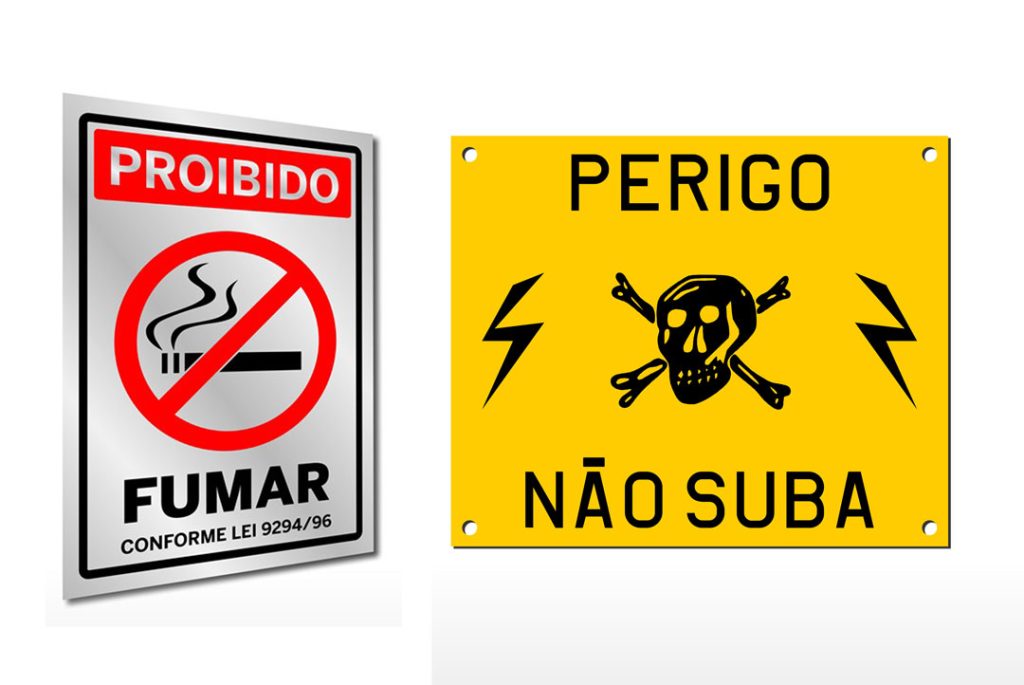
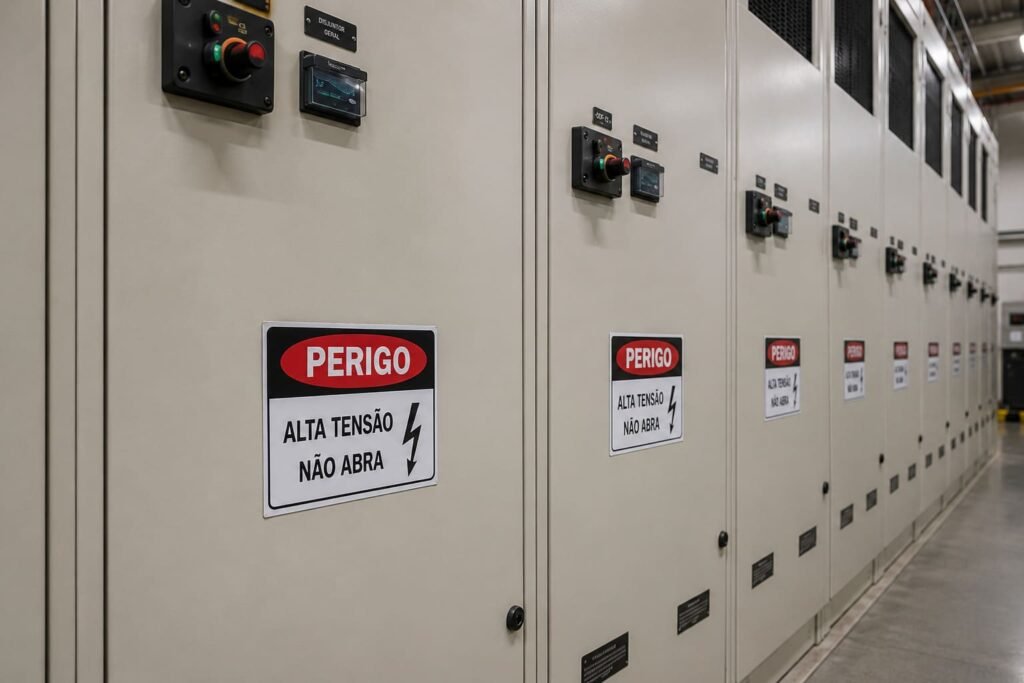
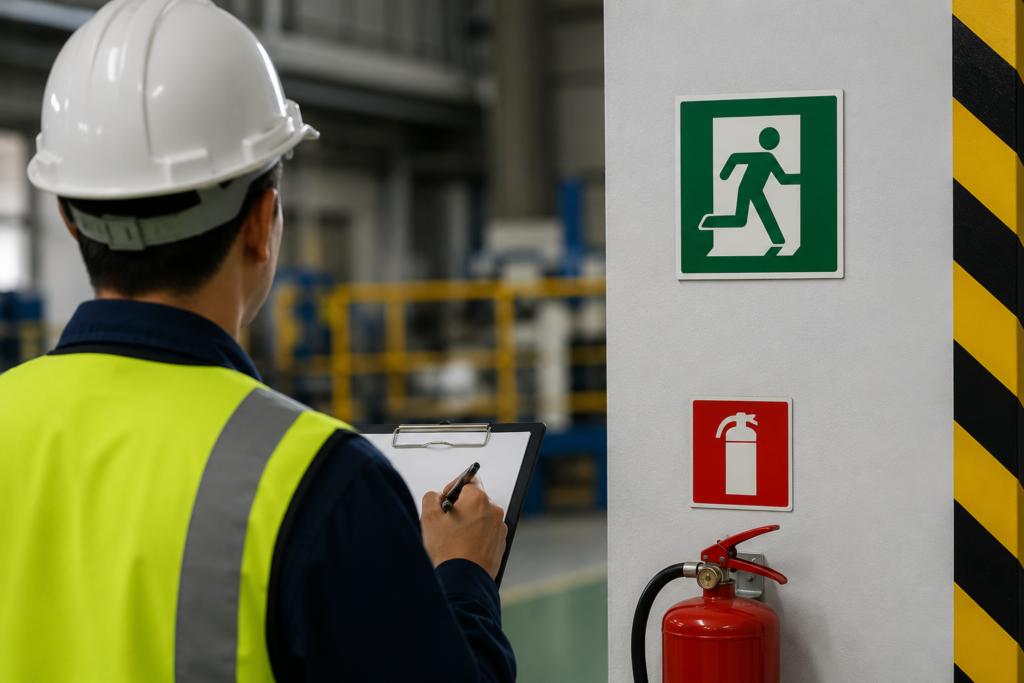
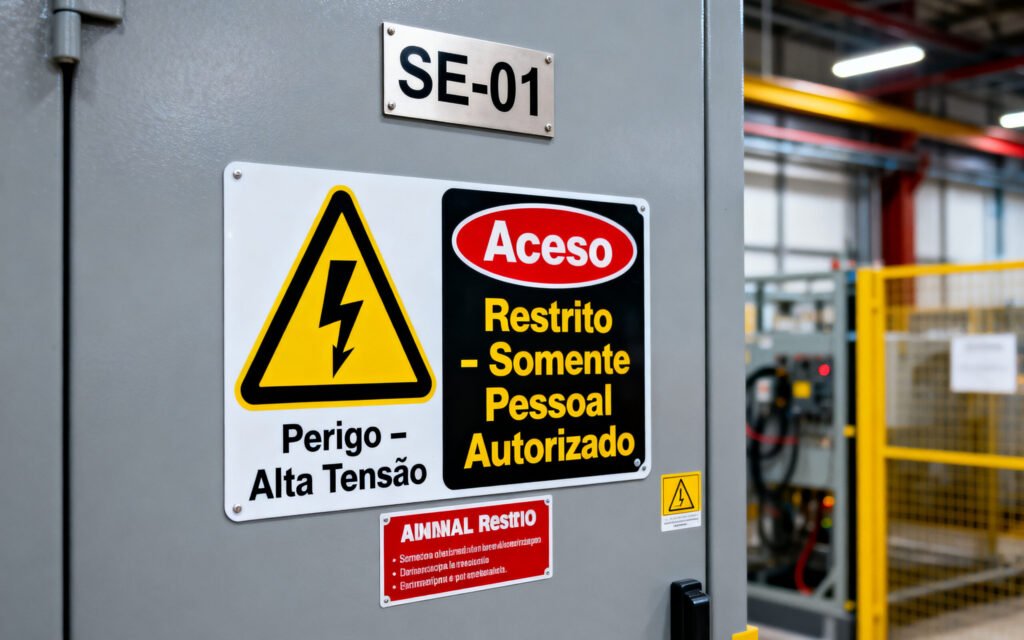
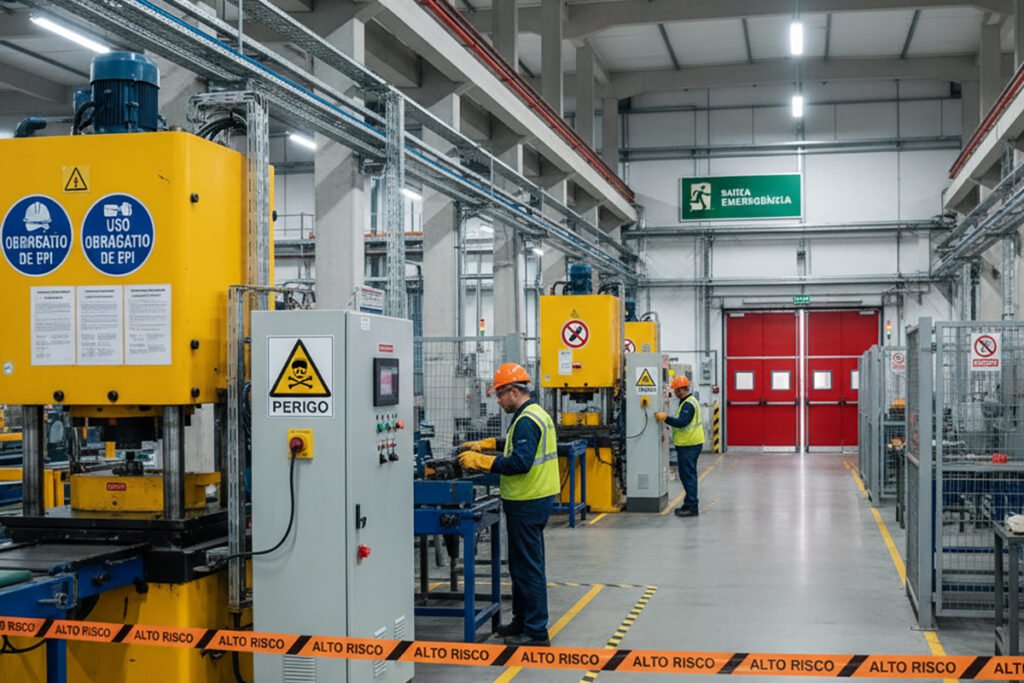
🏭 Industry – Control panels, safety labels, machine nameplates. 🚧 Signaling – Traffic signs, corporate identification. 🎁 Personalized Gifts Pens, keychains, and commemorative plaques. 🎨 Design and Decoration Artistic panels, custom metal facades.
A digital printing on metals It is a modern and efficient alternative for applications that require quality, customization and durability. Companies that adopt this technology gain a competitive advantage by offering innovative solutions to different markets! 🚀
Types of Metallic Materials Used in Digital Printing
A digital printing on metals It can be applied to various types of metallic materials, depending on the printing technology used. Each metal has specific characteristics, such as ink adhesion, weather resistance, and final finish.
Next, see the main types of metals compatible with fingerprinting and its applications:
Aluminum Stainless steel Brass
Copper Zinc and Galvanized Coated or Treated Metals