A inclusive safety signage It is a crucial element in creating a safer and more accessible work environment for all employees, including those with visual, hearing, or mobility impairments. In addition to to guarantee safety More broadly, this approach is an important step towards promoting inclusion and respect for diversity in the workplace.
Why is Inclusive Signage Important?
Traditional safety signage often fails to meet the needs of people with disabilities. For example, a purely visual emergency sign does not assist a blind person, while a purely audible alarm is ineffective for a deaf worker. Adapting signage to be accessible is not only a measure of compliance with laws and regulations, but also a demonstration of social responsibility.
Inclusive Signage Resources
There are several ways to make signage more accessible and inclusive. Here are some of the key features that can be implemented:
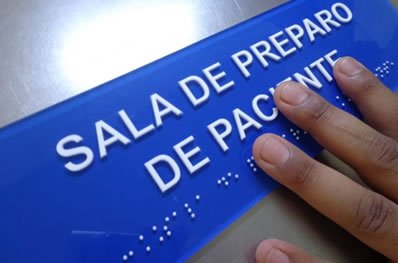
Braille signsIncorporating Braille into signage is an effective way to help blind people identify emergency exits, first aid locations, and hazardous areas. Braille signs are especially useful in indoor spaces, such as hallways and circulation areas, where safety instructions need to be accessible.
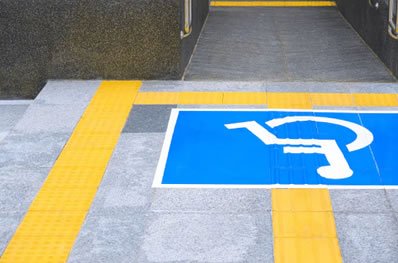
Tactile pavingIn addition to Braille signs, tactile paving guides people with visual impairments or low vision. These markings consist of textured surfaces that help identify safe routes, changes of direction, or the location of entrances and exits. They are particularly useful in large spaces such as factories, warehouses, and distribution centers.
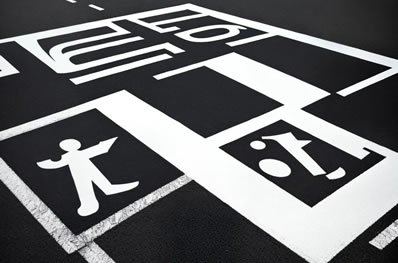
Contrasting ColorsThe use of contrasting colors is an essential strategy to help people with low vision or color blindness quickly identify safety signage. For example, the contrast between black and yellow or red and white is effective in improving the visibility of signs and warning signals, even in low-light conditions.
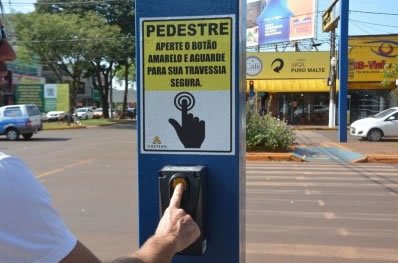
Simultaneous Audible and Visual SignalsSafety alarms that combine audible and visual signals are essential to ensure that all workers, including those with hearing impairments, are aware of emergency situations. Flashing lights and vibrating signals on personal devices can complement the sound of alarms and sirens.
Inclusive Signage and Reduced Mobility
In addition to adaptations for sensory impairments, signage must also consider people with reduced mobility. For these workers, it is essential that signage be positioned in accessible locations, Accessibility points must be at an appropriate height for wheelchair users and free of obstructions. Evacuation routes and emergency exits also need to be clearly marked and free of barriers, allowing for safe movement in emergency situations.
Legal Compliance and Accessibility Standards
In Brazil, accessibility standards, such as Brazilian Law The Inclusion of Persons with Disabilities Law (Law 13.146/2015) requires adaptations in work environments to guarantee equal access. Furthermore, workplace safety standards, such as NR-26, establish guidelines for safety signage, highlighting the importance of making it understandable and accessible to all workers.
Challenges and Solutions in Implementation
Implementing inclusive safety signage can present challenges, especially in large-scale industrial and corporate environments. However, companies can overcome these challenges with proper planning, training for installation teams, and a collaborative approach that involves workers with disabilities in the adaptation process.
Employee Education and Training
Inclusive signage is only fully effective when employees understand how to use it. This requires regular training on the importance of accessibility, the correct use of signage, and how to assist colleagues with disabilities in emergency situations. Ongoing education creates a safer environment and fosters a culture of respect and inclusion in the workplace.
The Role of Visual Communication in Inclusion
Visual communication goes beyond safety and includes institutional and wayfinding communication. For example, information in Braille or large print on department and meeting room signs helps everyone move around independently and safely. inclusive visual communication It ensures that information is accessible to everyone, regardless of their sensory capabilities.
Conclusion
Adopt a inclusive safety signage This is an essential step for companies that want to create a safer, more accessible, and welcoming work environment for everyone. With resources such as Braille signs, tactile signage, contrasting colors, and audible signals, it's possible to ensure that all workers can understand and react appropriately in risky situations, promoting inclusion and respect for diversity in the workplace.
A Cooperarts We are committed to accessible signage solutions and can help companies adapt to accessibility and safety standards. If you wish to implement inclusive signage in your workplace, contact us and discover how we can contribute to a safer and more accessible workplace for everyone.