Emergency Signage in Electrical Environments: How to Act in Critical Situations
Introduction
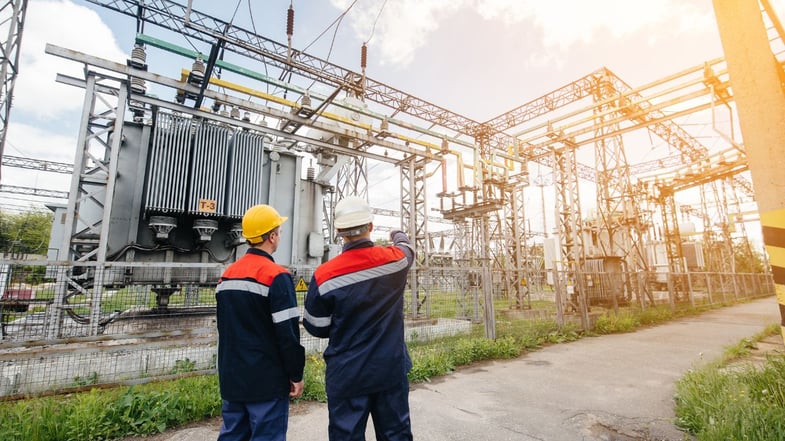
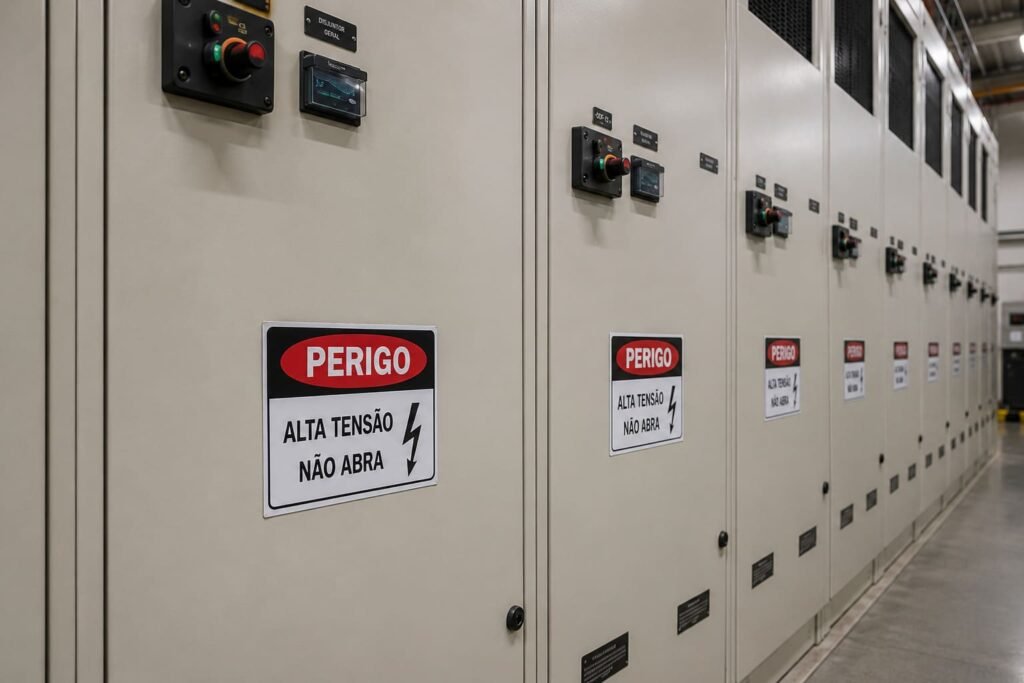
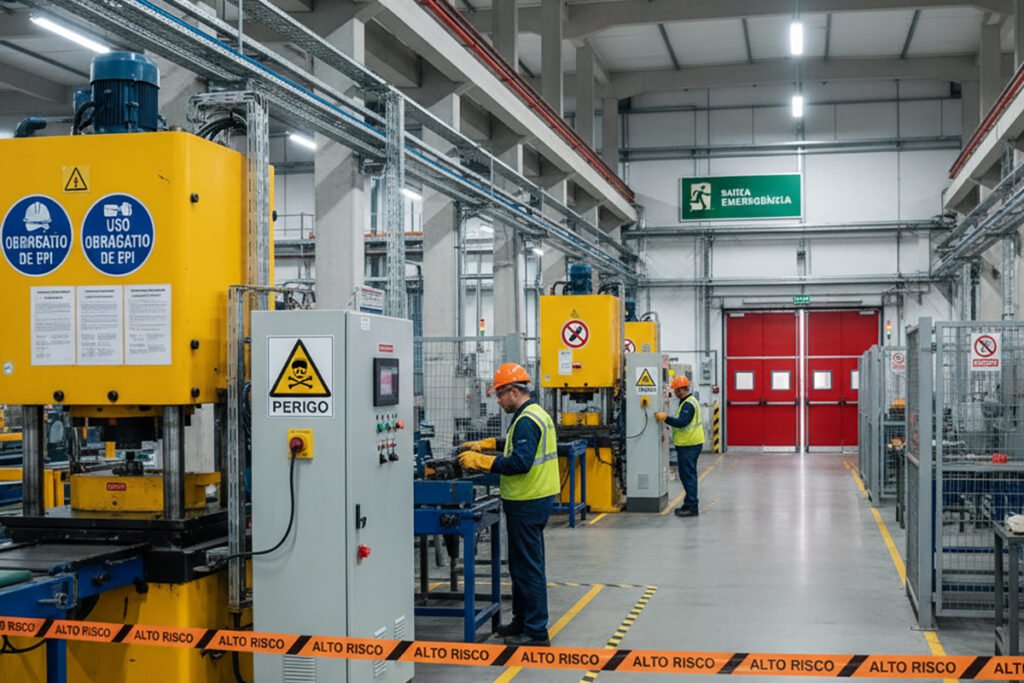
Security in environments of electrical energy, Emergency signage, such as in power generation plants and substations, is an absolute priority. In locations where electricity is handled at high voltages, any failure can result in serious accidents. In these contexts, emergency signage plays a fundamental role in protecting lives and ensuring rapid and safe evacuation in dangerous situations. In this post, we will address the importance of signage for escape routes, emergency exits, and power shutdown points, as well as provide tips on how to properly plan these elements in hazardous areas.
The Importance of Signage in Electrical Environments
In a power generation plant or electrical substation, workers and visitors are constantly exposed to potential hazards. In the event of a power outage, fire, or other emergency, clear signage can mean the difference between a safe evacuation and a disaster. Proper signage indicates escape routes, emergency exits, and strategic locations such as power shutdown points, allowing anyone on site to know how to proceed quickly.
Escape Routes: Safe Paths in Critical Situations
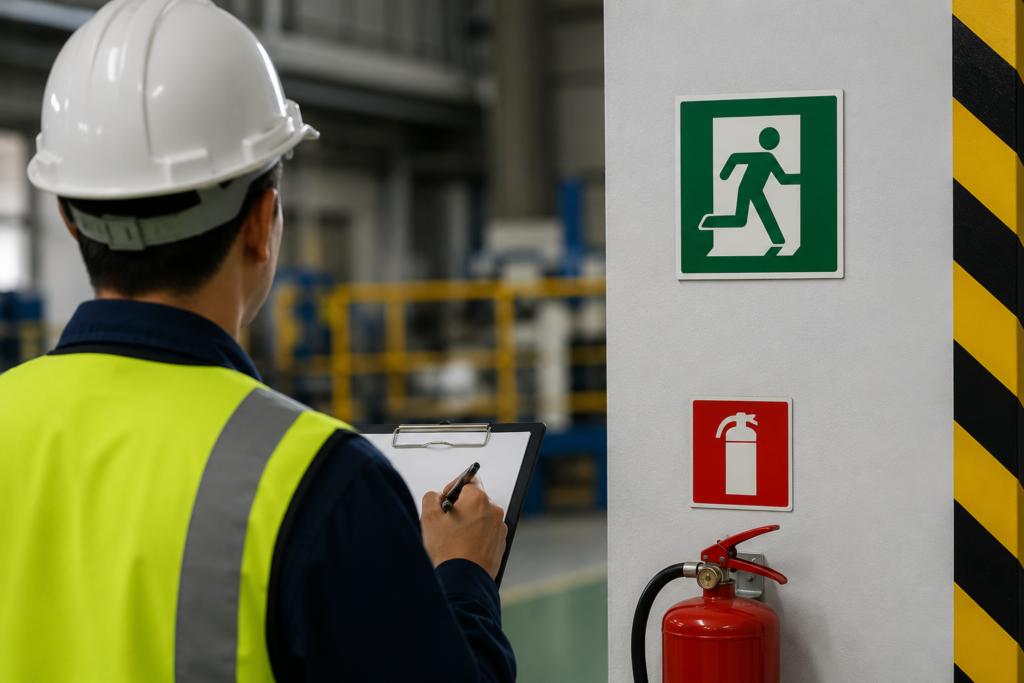
Properly marked escape routes are fundamental in any hazardous environment. In power generation plants and electrical substations, these routes must be strategically planned so that, in case of an emergency, people can evacuate quickly and in an orderly fashion, without confusion. The signage must be clear and visible, regardless of lighting conditions, using... photoluminescent materials or LED signage in more critical areas.
Emergency Exits: The Key to a Safe Evacuation
In addition to escape routes, emergency exits must be properly signposted. They should be strategically positioned to minimize evacuation time. signaling Emergency exit signs must include visual and auditory indicators that can be easily interpreted even in panic situations or in environments with smoke, loud noise, or poor visibility.
Planning Signage in Hazardous Areas
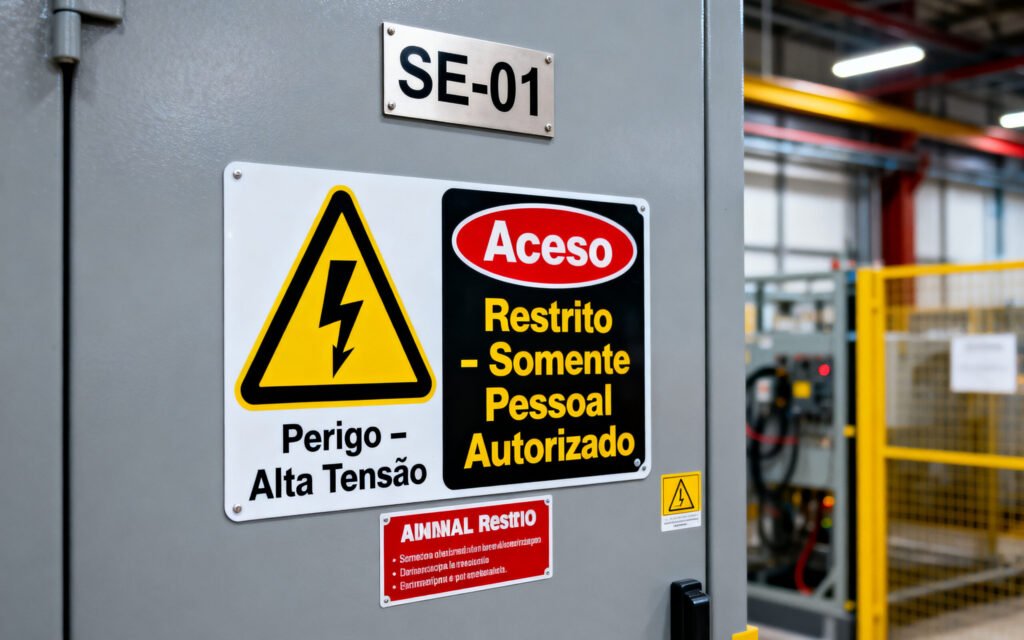
The planning of signage in power plants must take into account a number of factors, such as the layout of the facilities, the visibility of the signs under different conditions, and the location of hazard points. The signage needs to be robust and resistant to adverse conditions such as heat, humidity, or exposure to chemicals. It is also essential that the signage be standardized and comply with current regulations, ensuring uniformity and easy comprehension by all workers.
Materials and Technologies for Effective Signage
The choice of materials is crucial to ensure the effectiveness of signage in electrical environments. Photoluminescent signs, which glow in the dark, are particularly useful in the event of a power outage or fire. In critical areas, the use of automated signaling systems, such as visual and audible alarms integrated with monitoring systems, can further improve emergency response.
Training and Simulations: Emergency Preparedness
It's not enough to simply implement quality signage; it's essential that everyone in the environment is familiar with it. Regular training and simulations are necessary. emergency These practices are fundamental to ensuring that, in a real situation, people know how to react and use escape routes and emergency exits effectively. They help identify potential flaws in the signage plan and correct them before a real emergency occurs.
Maintenance and Updating of Emergency Signage
Like any other safety equipment, emergency signage needs to be inspected and maintained regularly. Damaged or outdated signs can compromise everyone's safety. Furthermore, any structural modifications to electrical installations must be accompanied by an update to the signage, ensuring that the new layouts are reflected in escape routes and power shutdown locations.
Conclusion
Emergency signage in power generation plants and electrical substations cannot be neglected. It is an essential measure to ensure the safety of everyone who works or passes through these environments. From careful planning of escape routes and emergency exits to the use of modern technologies and regular training, every detail contributes to creating a safer environment, better prepared to handle critical situations. Cooperarts, with its expertise in industrial signage, offers solutions that meet the most demanding standards, ensuring that your plant is always prepared for any eventuality.
With proper planning and constant review, safety in electrical environments can be ensured, reducing risks and protecting lives.