White goods refers to large household appliances such as refrigerators, stoves, washing machines, dryers, and other similar appliances. Labels for white goods serve various functions, from providing information to consumers to meeting regulatory requirements. regulatory requirements.
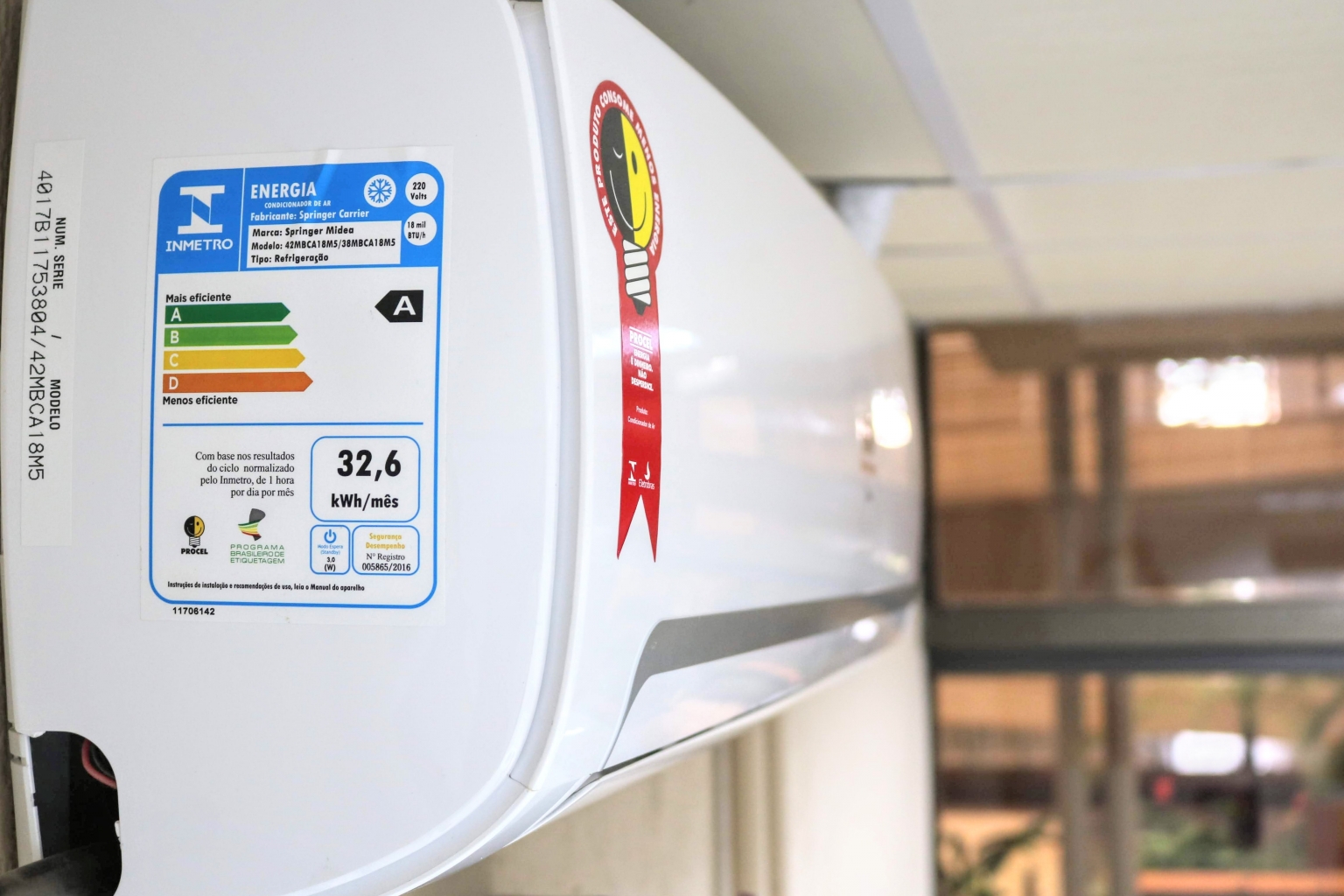
These labels are an effective way to guide consumers in choosing more efficient and environmentally friendly appliances. The information usually includes details about energy consumption, efficiency, capacity, and other relevant aspects.
Energy Efficiency:
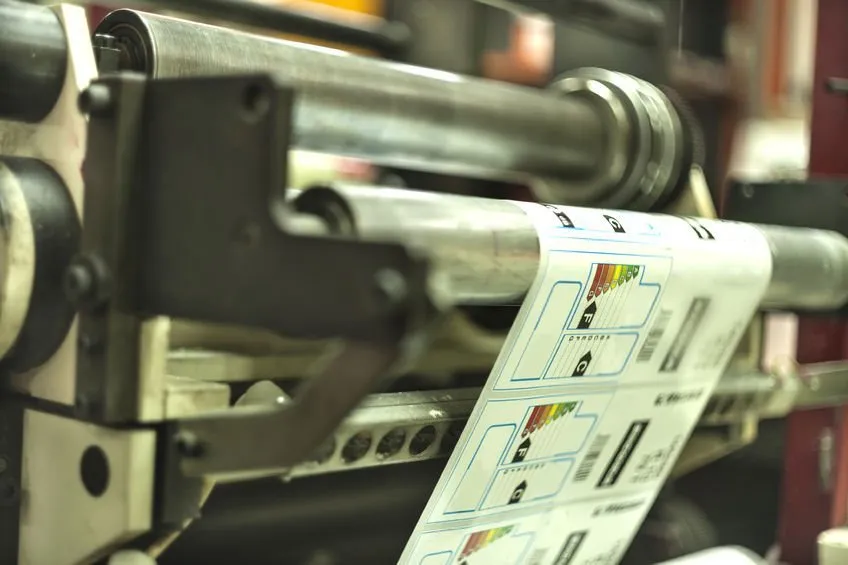
Energy efficiency labels are labels or informative labels that provide information about a product's energy performance. These labels are designed to help consumers make informed choices, promoting energy efficiency and encouraging the purchase of more sustainable products. Various sectors utilize energy efficiency labels, including appliances, vehicles, buildings, and... electronic equipment.
Energy efficiency ratings are typically represented by a scale, where more efficient products receive a higher rating. Labels may include specific information about energy consumption, carbon emissions, and other indicators related to environmental performance.
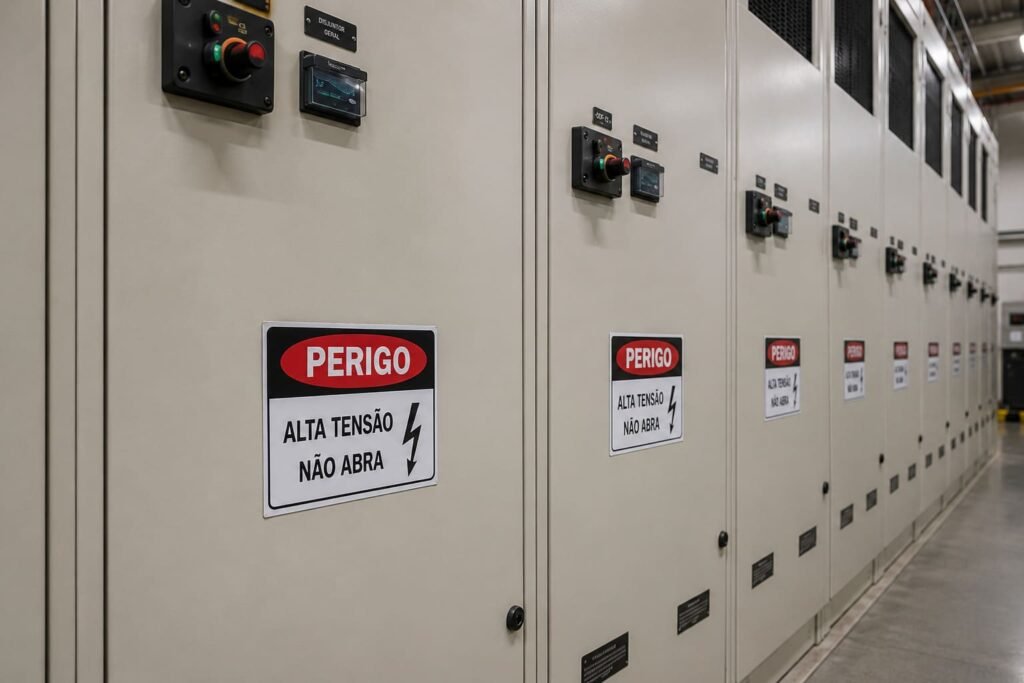
These labels are designed to provide essential information to consumers, aid in the proper operation of appliances, ensure safety, and comply with government regulations. It is important that the labels are durable and... easy to read to ensure a positive experience for the consumer.
Materials used for printing compensation labels for white goods.
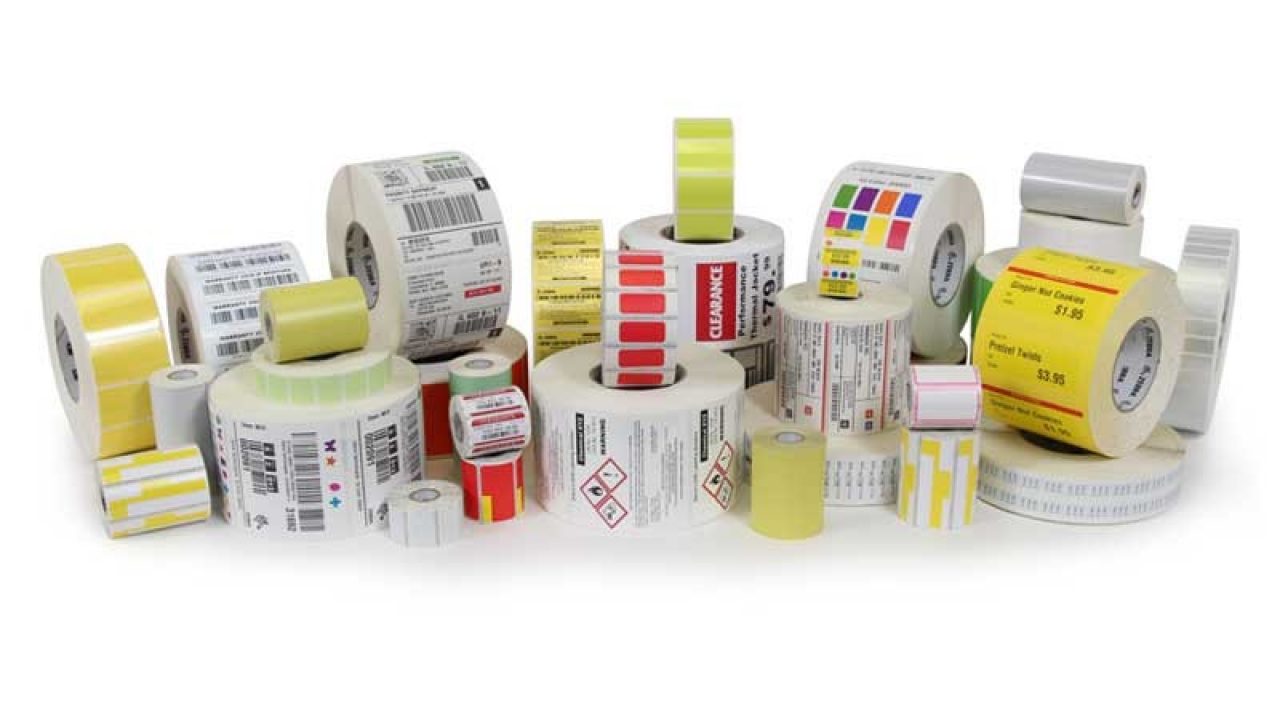
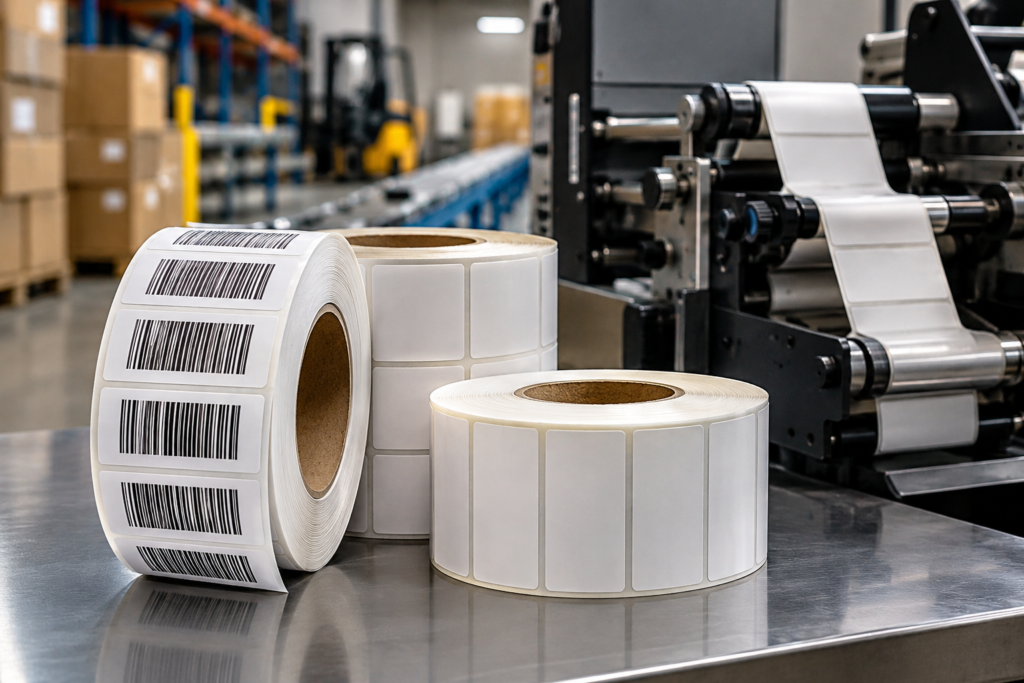
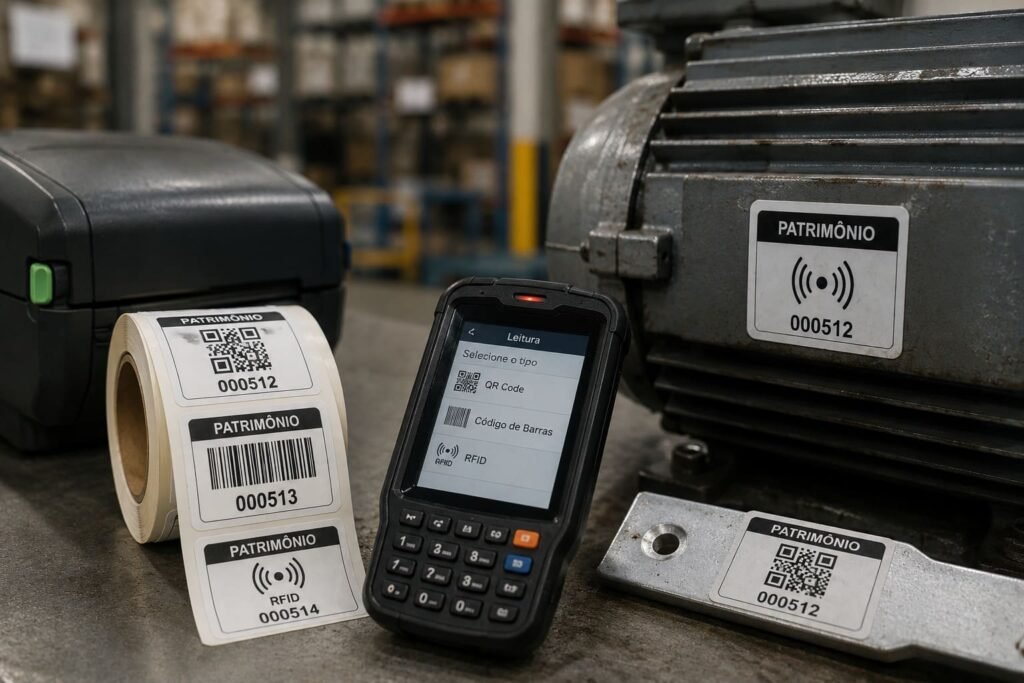
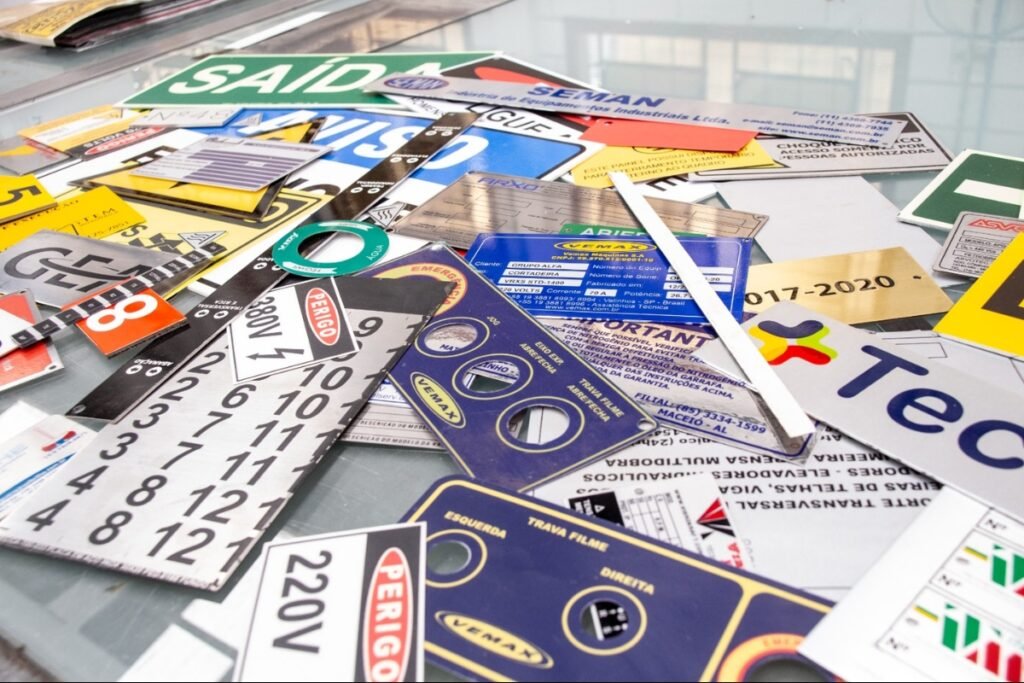
Printing identification labels for white goods involves choosing materials that are durable, resistant to harsh environmental conditions, and capable of providing clear and legible information. Here are some common materials used for printing identification labels for white goods:
Synthetic Paper:
Features: Water, tear and wear resistant. Can be used in wet conditions.
Applications: Product identification labels, care labels, and instructions.
Coated paper:
Features: Paper coated with a glossy layer for better print quality.
Applications: Product identification labels, energy efficiency labels.
Polyester Film (PET):
Features: Durable, tear-resistant, waterproof.
Applications: Warranty labels, security labels.
Vinyl:
Features: Flexible, water-resistant, durable.
Applications: Product identification labels, care labels.
Polypropylene (PP) film:
Features: Lightweight, tear-resistant, durable.
Applications: Energy efficiency labels, control and instruction labels.
High Density Polyethylene (HDPE):
Features: Water resistant, durable, suitable for outdoor environments.
Applications: Product identification labels, recycling labels.
Metallized (Paper or Film):
Features: Metallic surface for aesthetic effect and durability.
Applications: Highlight labels, brand labels.
Heat-shrinkable material:
Features: Contracts when heated, suitable for packaging applications.
Applications: Packaging labels, identification labels.
Kraft paper:
Characteristics: Resistant paper, natural appearance.
Applications: Identification labels, care labels.
Fluorescent Paper:
Features: Vibrant colors for emphasis.
Applications: Highlight labels, instructions for use.
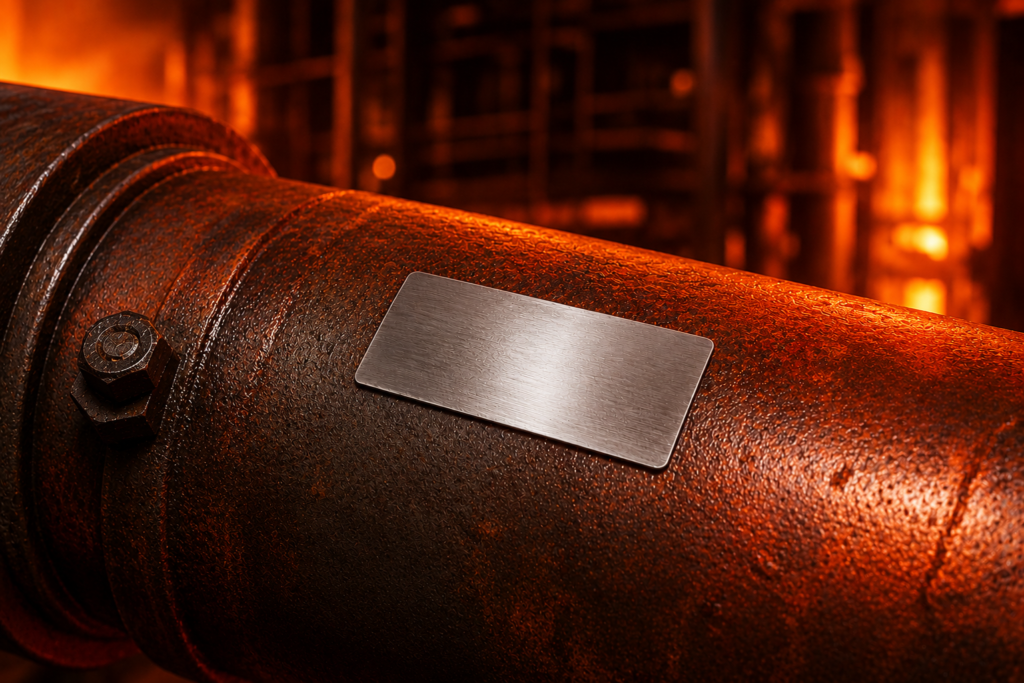
Specific Stickers for Outdoor Environments:
Features: Resistant to harsh weather conditions.
Applications: Labels for products installed outdoors.
It is important to consider the conditions of use and specific requirements when choosing the material for identification labels for white goods. Durability, resistance to environmental factors, legibility, and aesthetics are essential factors to consider during material selection.